What’s a UFC Title Really Worth Now That Pay-Per-View Is Dead?
The Declining Value of UFC Championships Without Pay-Per-View
Once, holding a UFC championship meant the promise of huge paydays from pay-per-view (PPV) revenue. Fighters dreamed of climbing the ranks, winning the title, then defending it to cash in on those lucrative PPV cuts. But with PPV disappearing and fans now paying a flat fee for streaming events, that old model is fading fast.
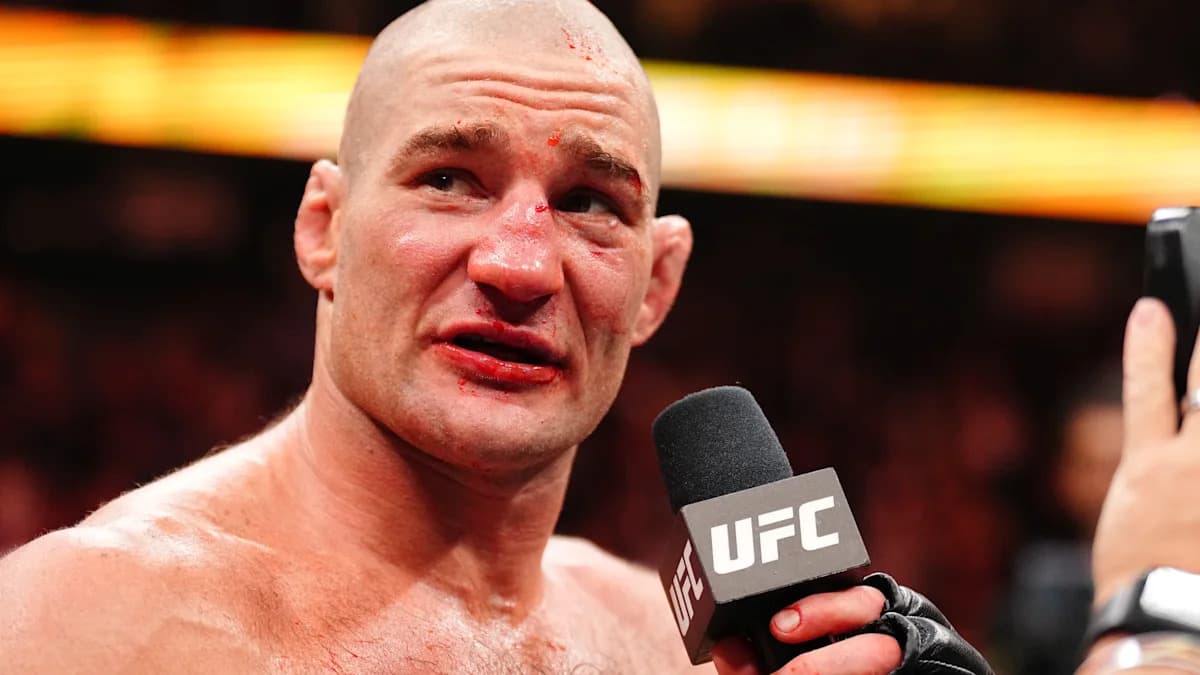
Today, champions like middleweight Sean Strickland are feeling the pinch. Strickland, who won the belt again in May after beating Khamzat Chimaev, seems ready to give up his title if it means escaping his contract sooner. What does this say about what a UFC title is worth these days?
PPV Earnings Have Nearly Vanished
I spoke to several managers, many preferring to stay anonymous, who all agreed: the chance to earn big through PPV was mostly gone even before the UFC phased out the model. Reasons include rising costs for ESPN+ events, easier access to alternative viewing methods, and a cultural shift away from traditional cable TV purchases. Regardless, fighters rarely saw much PPV money, even as champions.
Still Some Financial Perks to Being Champion
Though the massive PPV bonuses are gone, a UFC title still brings a pay raise. Champions get higher fight purses and better Promotional Guidelines Compliance payments. For example, champs receive $42,000 per fight for showing up and wearing the official gear, while challengers get $32,000, and non-title fighters usually top out at $21,000.
There’s also improved opportunities outside the cage. Sponsors, fan meet-and-greets, and seminars tend to offer more income to champions, though it rarely changes their lives dramatically. So yes, being champion pays better than not, but the gap isn’t as wide as before.
Predictable Income Brings Comfort and Frustration
One manager pointed out that fighters now know exactly what they’ll make as champions without chasing an uncertain PPV windfall. The idea of one blockbuster event raking in millions and boosting a fighter’s pay is mostly gone. For some, this clarity is a relief—no more false hope over a single million-buy show.
On the flip side, this fixed pay can feel limiting. No matter how much hype or performance a champion generates, their salary won’t change. Seeing other fighters like Conor McGregor or Conor Benn getting huge payday offers elsewhere only adds to the frustration. Their contracts don’t come close to those levels, making it hard not to feel stuck.
The UFC’s Shift in Priorities
When PPVs mattered, the UFC had strong reasons to keep champions happy and ensure high-quality cards to sell events. Now, with a stable streaming income of around $1 billion yearly, the promotion doesn’t need to chase big individual event sales. It makes less effort to accommodate fighters’ demands.
This is clear with examples like UFC 332. The UFC earns the same whether a star fights or sits out. If someone like Strickland refuses to fight, the UFC can strip the belt and move on, letting others compete for the vacant title. Former champion Valentina Shevchenko has also seen how easily even long-reigning champs can be pushed aside.
A New Reality for UFC Champions
The era of unlimited earning potential tied to PPV success is over. UFC champions live in a world where their paychecks are predictable but capped. For many, this brings a mix of stability and disappointment. The old promises of financial glory linked to the belt no longer hold true, changing how fighters view the value of being champion.