Hong Kong 250: Last Opportunity as Players Withdraw
One week before the WTA Finals, Hong Kong was supposed to be a late-stage showcase. Instead, it has turned into a revolving door. Thirteen withdrawals have ripped through the draw, turning a modest 250 event into a scramble for opportunity and ranking scraps at the end of a long year.
This isn’t an injury crisis. It’s a calendar call.
Zheng Leads Wave of Players Calling Time on 2026
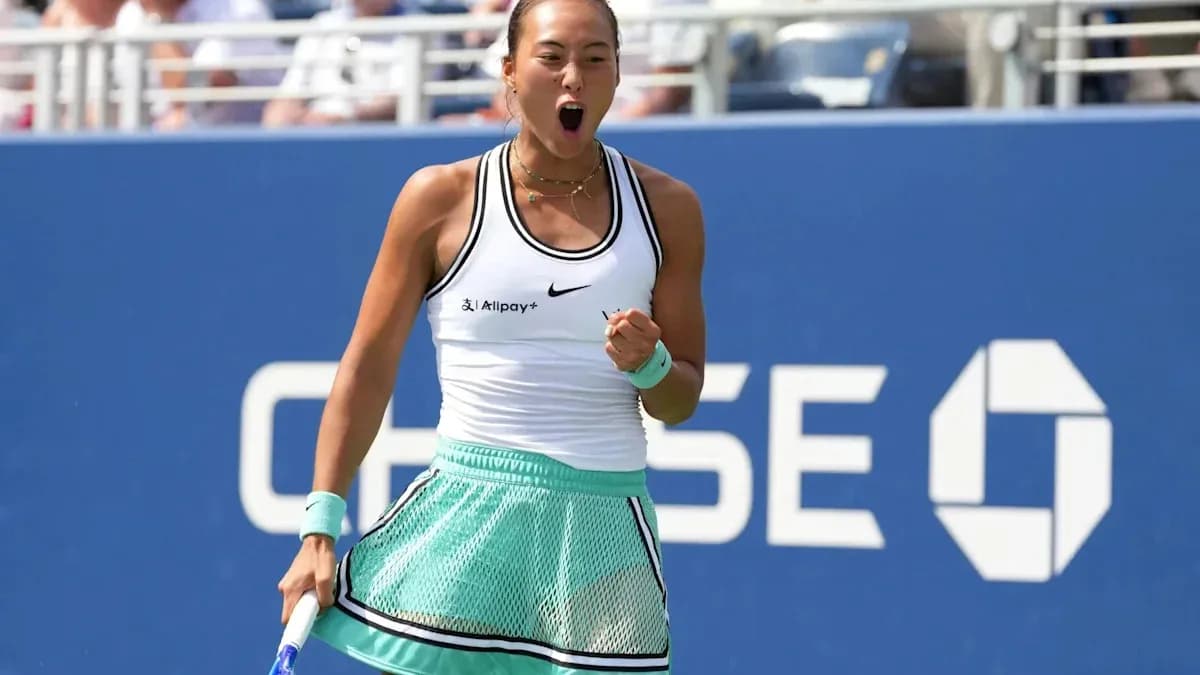
At the front of the exodus stands Qinwen Zheng. The Beijing champion has not struck a ball in competition since lifting that monumental title in the Chinese capital, and she won’t be adding Hong Kong to her schedule.
She doesn’t need to. Zheng will close the season inside the top 25, a position that allows her to pick her spots, protect her body, and think like a contender rather than a chaser. The simple fact she can walk away from a home-region 250 and focus on 2027 tells the story of how far her comeback has travelled.
Sonay Kartal has made the same call. The Wuhan finalist has not returned to the court since that run and has also withdrawn from Hong Kong, choosing to bank the confidence and reset.
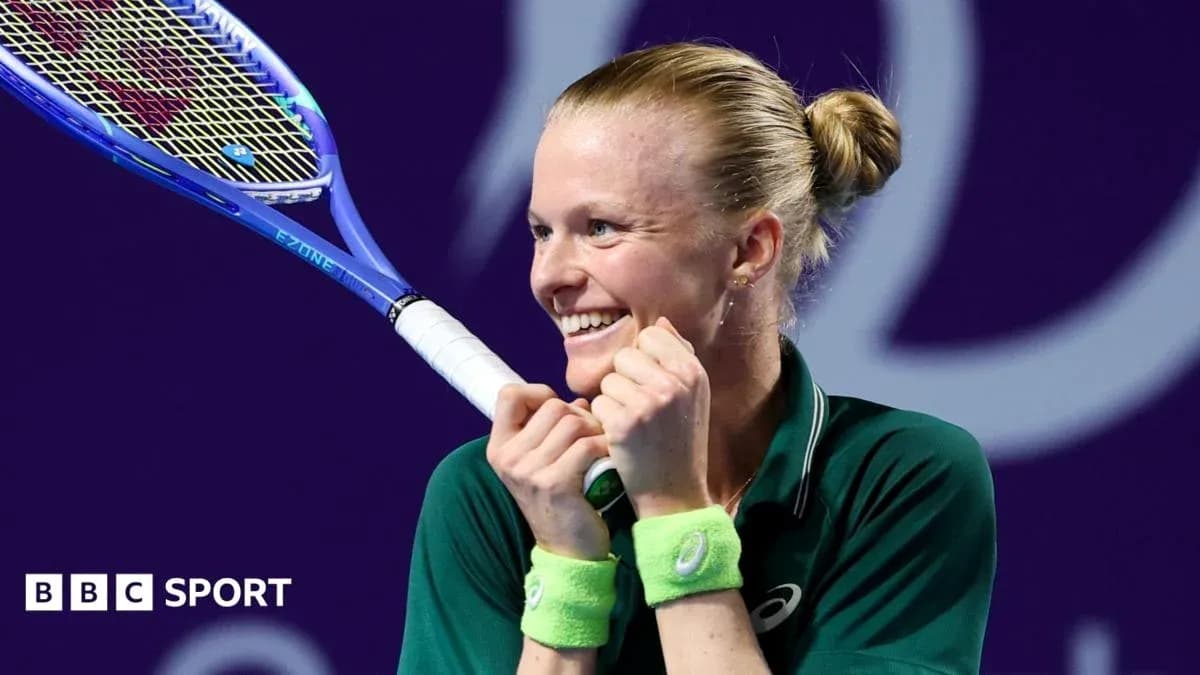
Kimberly Birrell, who launched this Asian swing with a title in Seoul, has seen her results flatten out since. After sneaking into the Tokyo main draw as a lucky loser and failing to ignite, she has shut down her season as well.
Then there is Diana Shnaider. One of the form players on tour, she arrives at the end of the Asian swing with a Tokyo title in her luggage and a place just outside the top 10. Turning around to play Hong Kong would have meant an almost immediate redeployment. She passed, understandably. Her year will end with her “knocking on the door” of the game’s elite.
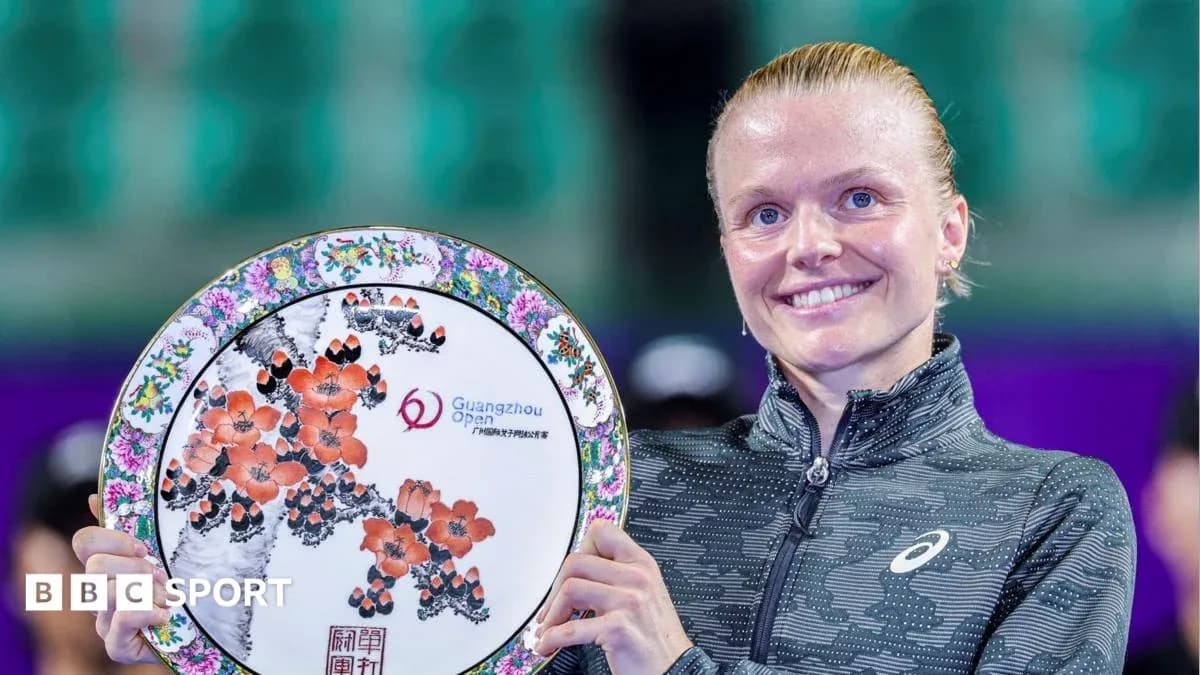
Sixteen-year-old Xinran Sun has been one of the breakout stories of the autumn. A semifinal in Guangzhou announced her more loudly than any junior result ever could, and that surge has already carried her to a career-high No. 303. She, too, pulled out of Hong Kong late, choosing not to squeeze one more week out of a body and mind still adjusting to tour life.
Ann Li, who has made headlines with a string of upset wins in recent weeks, also steps away here. Instead of chasing another draw, she closes the book on a productive finish to her campaign.
Jasmine Paolini’s reason is different again. Her singles form hasn’t driven this decision; her doubles has. Paolini teamed up with Sara Errani to win the doubles title in Tokyo, a result that locked the pair into the WTA Finals. With that ticket punched, she simply doesn’t have room for Hong Kong on the calendar.
The rest of the withdrawals are less dramatic, but no less telling. Anna Bondar, Cristina Bucsa, Anhelina Kalinina, Mayar Sherif, Daria Snigur, and Yuliia Starodubtseva have all played in the last fortnight. They just haven’t done enough to justify one more push. No long layoffs, no surgeries looming—just a collective decision to hit the offseason a week early.
A Flood of Alternates, A Flood of Chances
When so many established names step aside, the tour doesn’t pause. It reshuffles. For lower-ranked players, Hong Kong suddenly looks like a rare late-season springboard.
Maria Timofeeva is one of the better-positioned alternates, ranked No. 70, but her reward for replacing Snigur is brutal: top seed Sorana Cirstea in the first round. Alycia Parks, in for Kalinina, walks into a similarly daunting task against second seed Alexandra Eala. Sofia Kenin, taking Birrell’s spot, lands third seed Leylah Fernandez, who has been in sharp form over the last few weeks. These are opportunities, but they are not soft ones.
Mary Stoiana’s draw is big in a different way. She replaces Shnaider and opens against Venus Williams, who arrives in Hong Kong as a wildcard. Stoiana has been edging up the rankings all year, quietly, steadily. Now she gets a marquee name across the net, the kind of stage that can accelerate a career if she handles the moment.
Two players who thought their week was over have been granted a second life. Elena Pridankina enters as a lucky loser after Kartal’s withdrawal, having lost a tight three-setter in qualifying. Carol Young Suh Lee also sneaks into the main draw as a lucky loser, replacing Sun, despite having been swept aside in straight sets in the second round of qualifying. Both now have a shot they did not expect 48 hours ago.
Tereza Valentova is another name to circle. She steps into the main draw thanks to Zheng’s absence. Earlier in the season she built a head of steam during the North American hard court swing before injury stopped her cold until Osaka. Now, bypassing qualifying in Hong Kong gives her a cleaner runway to see where her level truly sits at year’s end.
Claire Liu inherits Paolini’s place and, with it, a clear numerical target. She sits at No. 102 and can finish inside the year-end top 100 with a solid run. For players outside the established tier, that number matters—entry lists, seeding, travel planning, all shift with that two-digit ranking.
Dayana Yastremska replaces Bondar. Viktorija Golubic steps in for Bucsa. Maya Joint takes Li’s place. Katie Volynets fills the gap left by Sherif. Antonia Ruzic comes in for Starodubtseva. None of them arrived in Hong Kong expecting a red-carpet path into the main draw. Now each of them has one week to turn late notice into late-season momentum.
The stars may be saving their legs for the Finals or the training block ahead, but for everyone flooding into this reshaped Hong Kong draw, the equation is simpler: one more tournament, one more chance to change the story of their season.