.svg&w=384&q=75 "logo")
NBA's Record Punishment for LA Clippers: Fines, Draft Picks, and Bans
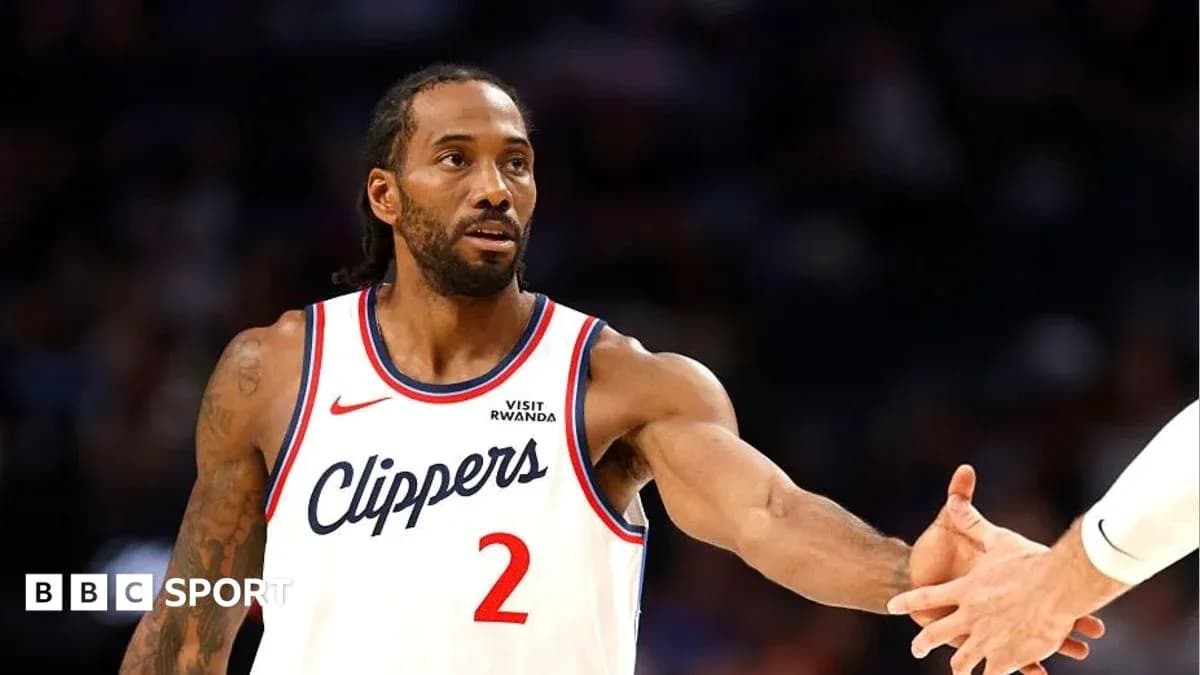
The NBA has dropped a hammer on the LA Clippers unlike anything the league has seen before.
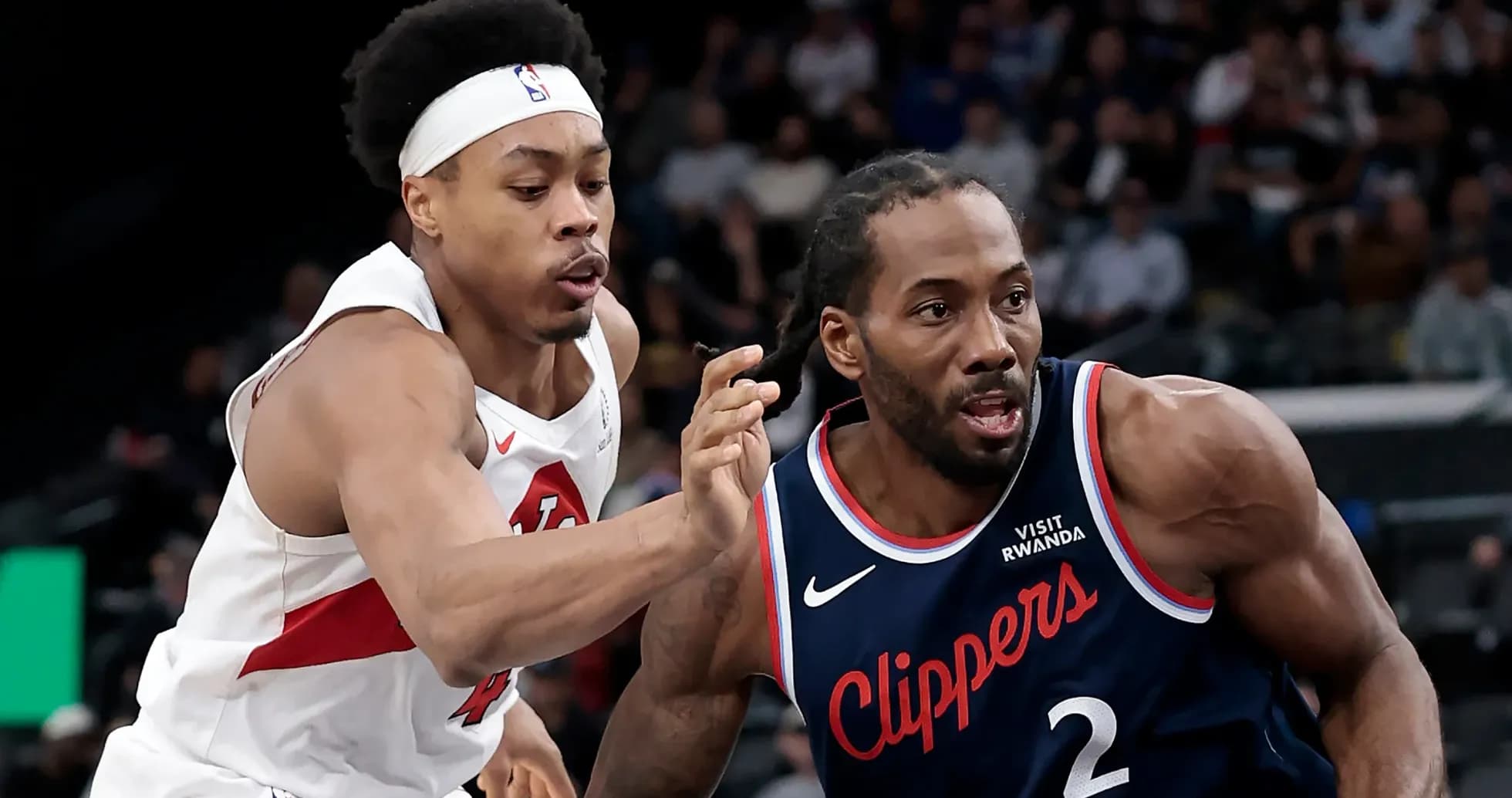
A record $30m (£22.2m) fine, five first-round draft picks stripped, and owner Steve Ballmer banned from all league and team activities for a year. All of it tied to what the league calls a deliberate scheme to steer millions in off-court money to Kawhi Leonard in violation of salary rules.
This isn’t a technicality. It’s a scandal.
Record punishment for “flagrant violations”
The league’s investigation concluded the Clippers “knowingly” worked to help Leonard secure off-court income opportunities, and did so in a way that broke salary-cap circumvention rules. The NBA report said Leonard pressured the organisation into “obtaining off-court income opportunities [and] successfully obtaining those opportunities,” and the Clippers obliged.
NBA commissioner Adam Silver didn’t bother softening the language. He said he was “deeply disappointed” by the franchise’s “flagrant violations” and made it clear the scale of the punishment was intentional, saying the “severity of the penalties reflects the seriousness of the violations”.
The $30m fine is the largest in league history. The competitive damage may cut even deeper.
Between 2029 and 2033, the Clippers will forfeit five first-round draft picks, a brutal blow to a franchise that has already pushed so many of its future assets into the middle of the table in pursuit of contention. Those picks are the lifeblood of roster building in the next decade. They’re gone.
Ballmer banned, front office hit
The league didn’t stop at the balance sheet and the draft board.
Ballmer, one of the most visible and hands-on owners in American sports, has been suspended for 12 months from all league and team activities for his role in matters involving Leonard’s sponsorship contracts during his time with the franchise. For a man who has turned sideline energy into part of the Clippers’ identity, it is a stunning exile.
Inside the organisation, there are casualties too. Gillian Zucker, the team’s president of business operations, has been suspended for one year without pay after the NBA found she provided “misleading statements to investigators” during the probe.
The league said its month-long investigation “found a pattern of misconduct and multiple significant rules violations by the Clippers organisation, a prior offender of the salary-cap circumvention rules”. That line matters. The Clippers weren’t treated as first-time offenders. The NBA made sure of it.
Leonard fined, accepts “full responsibility”
Leonard, a two-time NBA champion and two-time Finals MVP, has been fined $700,000 (£518,997) for his part in the affair.
Now 35, he addressed the ruling on Instagram, saying he “accepts full responsibility” for his actions and “regrets the distraction this situation has caused the fans and my family”.
He insisted he entered his Clippers contract and the related agreements “in good faith, fully committed to fulfilling my obligations and with no knowledge of any intent on anyone’s part to circumvent the salary cap”.
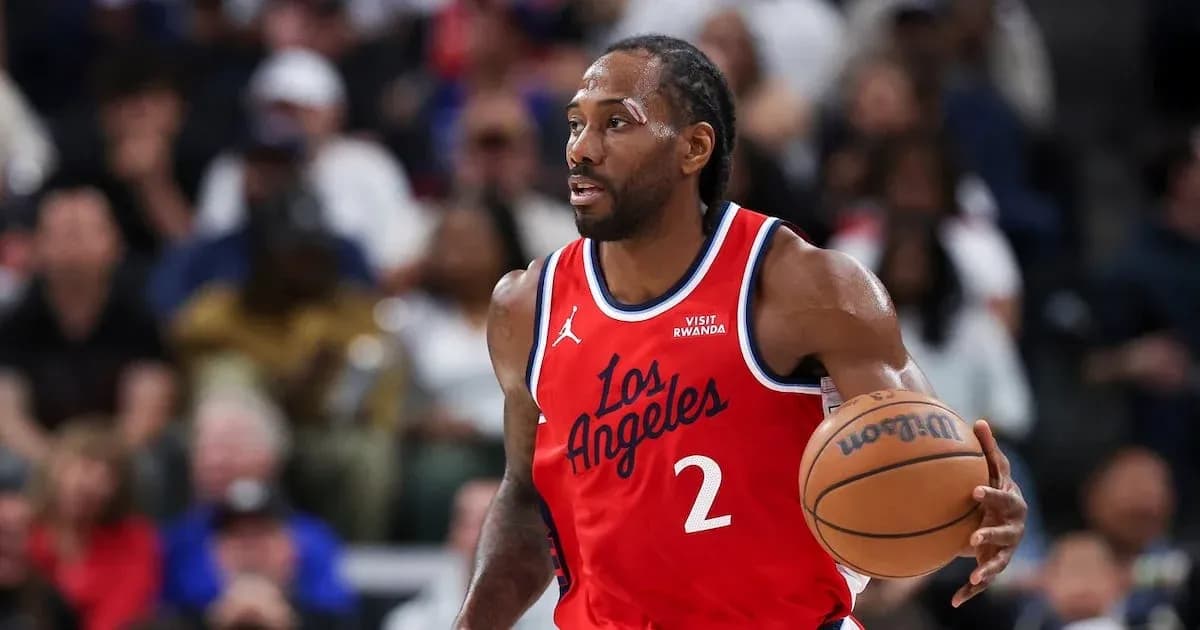
Leonard joined the Clippers in 2019 in one of the most high-profile free-agency moves of the era and spent seven years with the franchise before leaving earlier this year. The partnership was supposed to deliver titles and a new era of relevance. Instead, it now leaves behind a legacy entangled with one of the most severe disciplinary cases in league history.
A franchise under surveillance
The punishment doesn’t end with fines, suspensions, and lost picks. The NBA has placed the entire organisation under a microscope.
Both the Clippers’ “organisation and personnel” will now operate under a compliance and monitoring programme overseen by the league for the next five years. Every major move, every sponsorship tie-in, every financial wrinkle will unfold under direct scrutiny.
For a franchise that tried to bend the margins of the cap era, the message is blunt: there will be no more grey areas.
The Clippers chased star power and off-court leverage. The bill has arrived, and it stretches all the way into the next decade.