.svg&w=384&q=75 "logo")
Kyrie Irving Trade Proposal: Rockets Reunite Stars for Title Chase
The Houston Rockets spent last season stuck in traffic. They ranked 26th in the league in drives per game, their half-court offense often grinding to a halt as Amen Thompson and Reed Sheppard struggled to consistently puncture defenses off the dribble.
Fred VanVleet’s return will steady the ship. It won’t supercharge it. Not in a Western Conference that punishes anything less than top-tier creation.
So the proposal lands on the table: swing big. Swing for Kyrie Irving.
A Reunion in Houston?
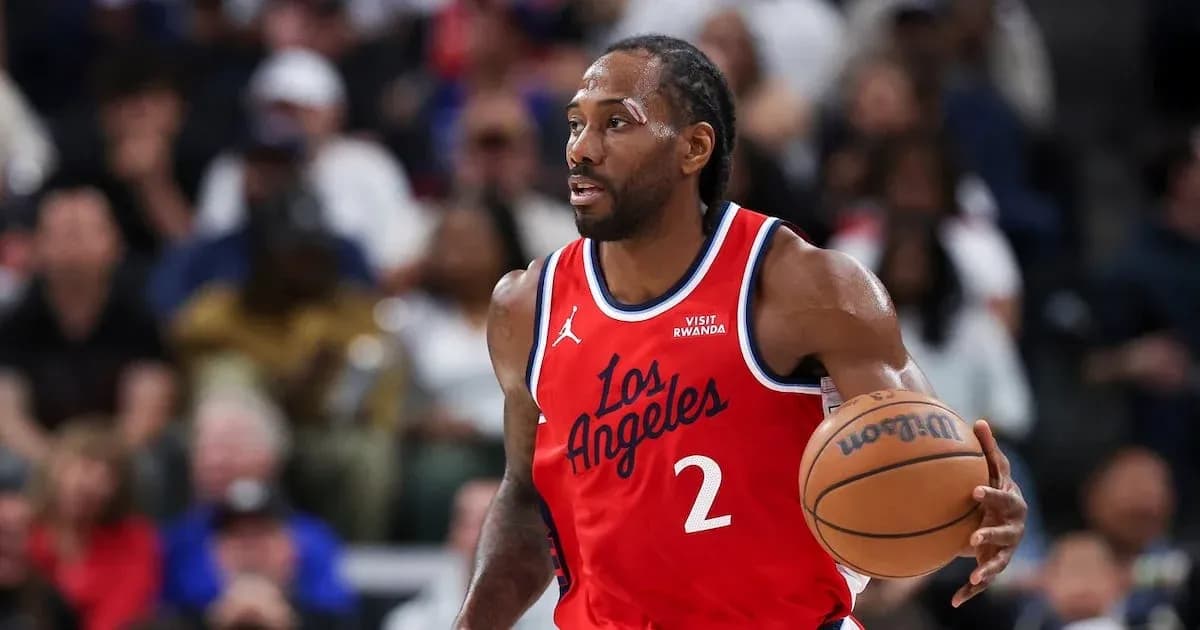
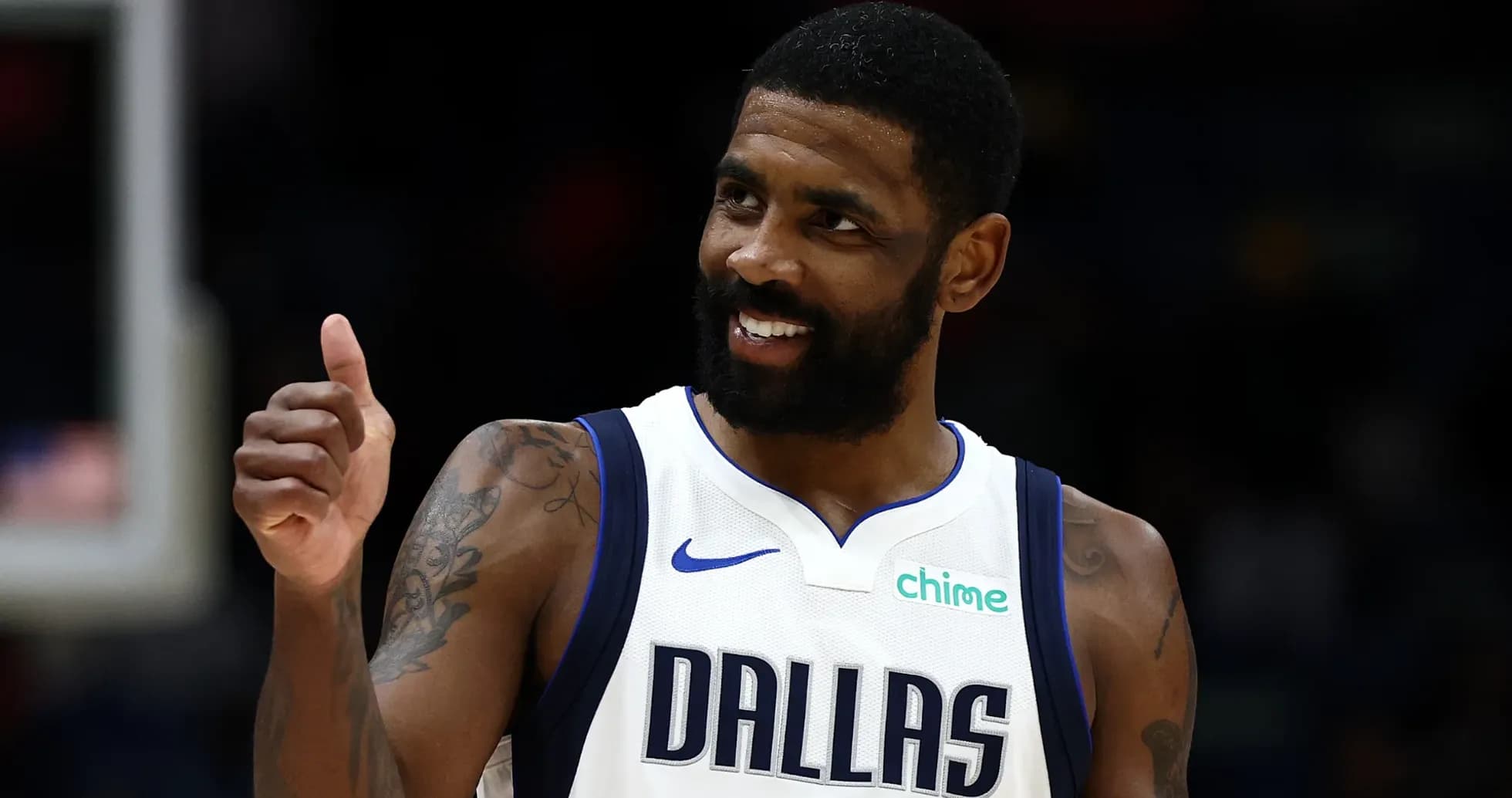
Irving, one of the most gifted ball-handlers and rim-pressure guards of his era, sits at a crossroads. At 34 and coming off an ACL injury, he has little interest in riding out the final chapter of his career on a team drifting toward a reset. The Dallas Mavericks, as framed here, are edging into a rebuild. The Rockets are not.
Houston’s pitch is simple: a ready-made stage and a genuine shot at a ring.
The imagined deal:
- Rockets receive: Kyrie Irving
- Mavericks receive: Fred VanVleet, Reed Sheppard (via NTMLE)
On paper, it’s a blockbuster that does more than move names on a depth chart. It rewrites storylines.
For Houston, it means reuniting Kyrie Irving with Kevin Durant, and linking both to Ime Udoka, who once watched their Brooklyn experiment unravel from a front-row seat on Steve Nash’s staff. Back then, Udoka was an assistant with limited power to fix a fractured locker room and a roster constantly undercut by injuries.
Now he runs the show.
In Houston, Udoka would have the authority and the backing to attempt what Brooklyn never managed: align Durant and Irving around a clear structure, then layer them onto a rising core that already includes Alperen Şengun, Amen Thompson, Jabari Smith Jr. and Tari Eason.
This isn’t nostalgia. It’s a calculated gamble that their shared failure in Brooklyn might sharpen their focus, not dull it.
One Last Run for Two Fading Giants
The narrative pull is obvious. Durant and Irving, once at the center of the league’s drama, have drifted toward the edges of the title conversation in recent years. Injuries, exits, and changing contexts have turned their primes into a patchwork.
This kind of move offers them something rare at this stage: a clean, high-stakes reset.
Houston would be betting that the promise of redemption — one last, serious title chase — is enough to bring out the best version of both stars. Surrounded by youth, length, and playmaking, they wouldn’t need to carry the physical burden of a decade ago. They would, however, need to lead.
The price is real. Reed Sheppard has the profile of a long-term weapon: an emerging marksman who could space the floor for a decade. Losing him now could sting for years if he hits his ceiling as an elite shooter.
But the Rockets would be making a conscious choice: trade some of tomorrow’s security for today’s opportunity, while still keeping most of the young core intact as a buffer against another Durant–Irving implosion. If it works, they crash the contender tier. If it doesn’t, they still have Şengun, Thompson, Smith, Eason, and a path to pivot again.
That’s not reckless. It’s aggressive.
Dallas Weighs the Risk on Kyrie’s Future
On the other side, the Mavericks face a different kind of calculation.
Irving holds a $42 million player option for next season and is reportedly eyeing a lucrative long-term deal to close out his career in Dallas. Committing to that kind of contract for an aging guard with a serious recent injury history is a leap of faith, even for a player who can still perform at an All-NBA level.
The risk isn’t theoretical. It would define their timeline around a star whose availability and durability are increasingly in question.
This proposal offers Dallas an exit ramp.
Fred VanVleet arrives on an expiring $25 million deal — a proven veteran, a stabilizing presence, and, crucially, a flexible asset. The Mavericks could plug him in, lean on his experience, and then either let the contract roll off the books or flip him to a contender at the trade deadline for additional picks or younger pieces.
Reed Sheppard, meanwhile, would represent the future. A potential long-term answer at shooting guard, he’d slide in alongside the young core as a floor-spacer and developing scorer, giving Dallas a cleaner age curve and more financial breathing room.
Instead of tying their fate to a long Kyrie extension, the Mavericks would spread their risk: one short-term, movable contract and one prospect who could grow with the franchise.
A High-Wire Play in a Ruthless Conference
Strip it down, and this idea asks two organizations the same question in different ways.
Houston: Are you willing to cash in a valuable young piece and your cap flexibility for the chance to fast-track into the heart of the title race with Durant and Irving, knowing how volatile that pairing has been?
Dallas: Are you ready to walk away from a still-elite talent before you lock into a potentially punishing long-term deal, and instead reset your backcourt with a stopgap veteran and a possible guard of the future?
The fit, the personalities, the timelines — nothing about this is safe. That’s precisely why it’s intriguing.
In a West where hesitation gets you buried, which front office blinks first?