.svg&w=384&q=75 "logo")
NBA's Harsh Penalties on Clippers for Salary Cap Violations
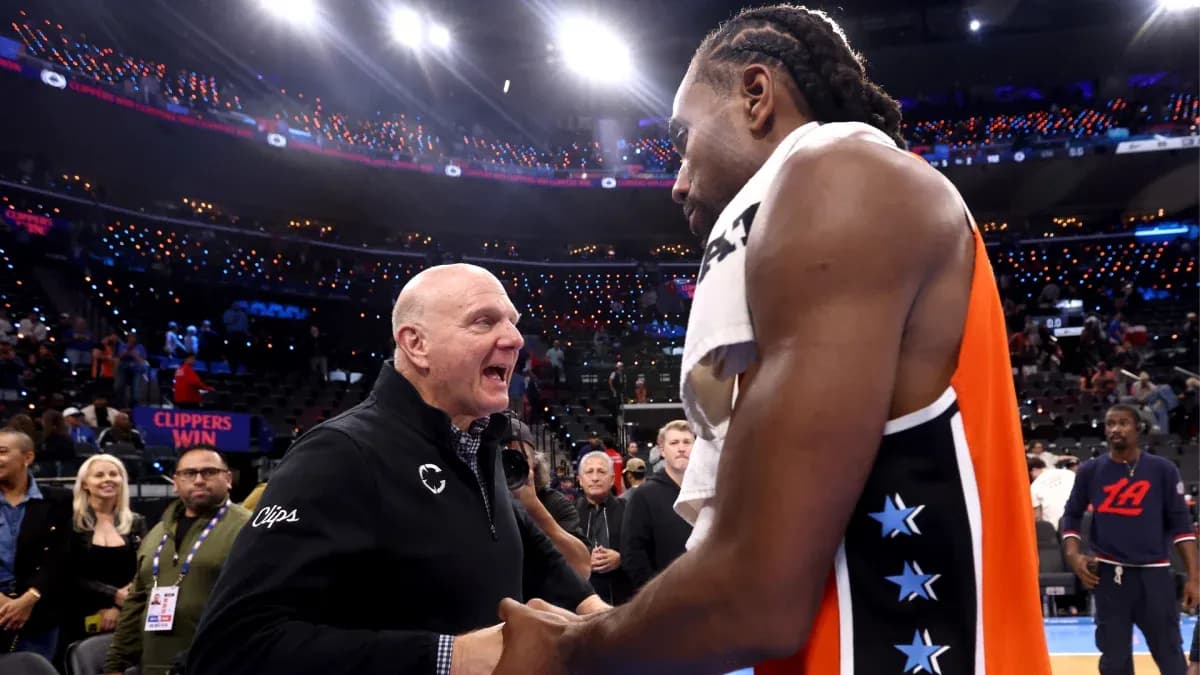
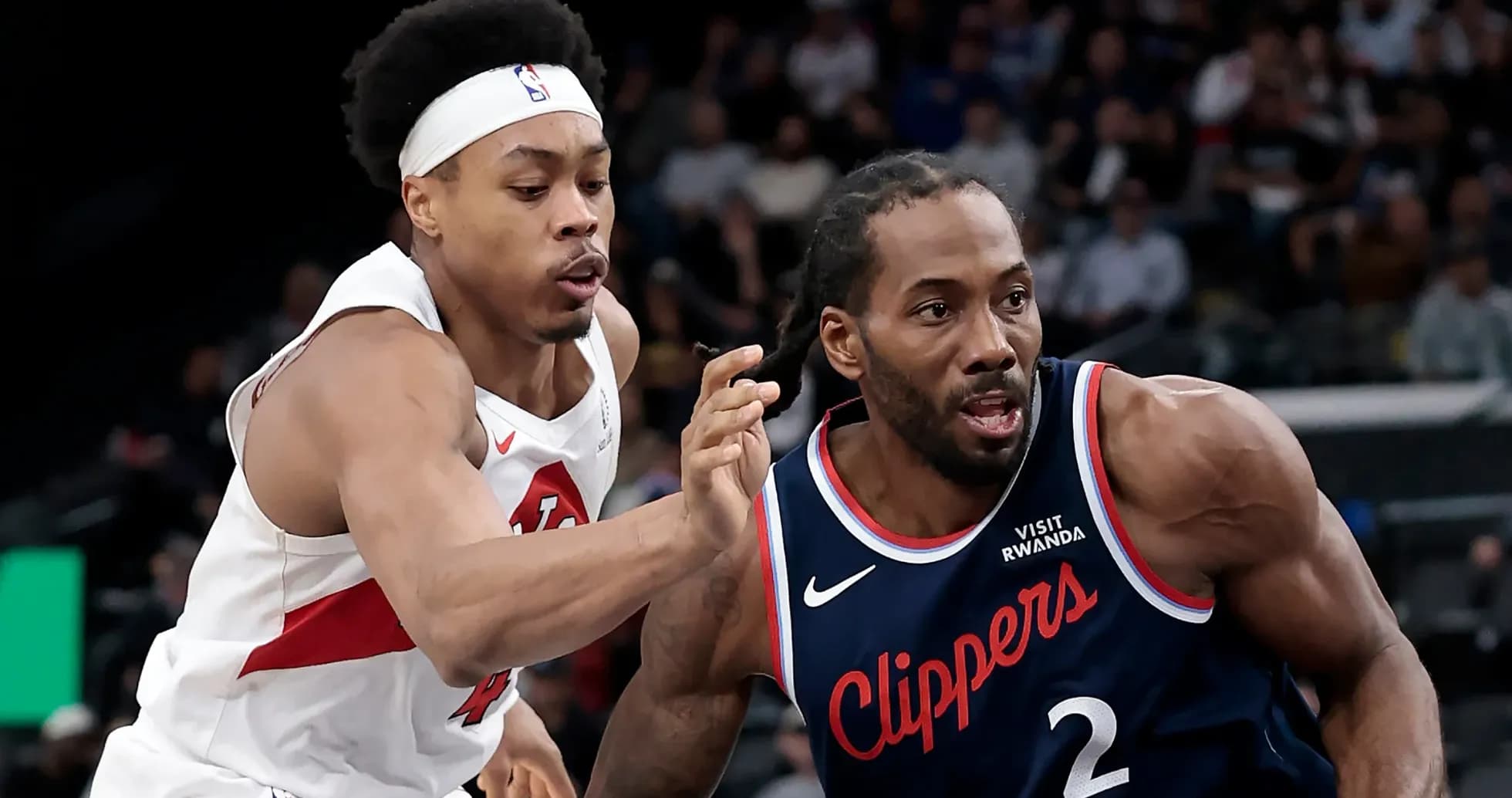
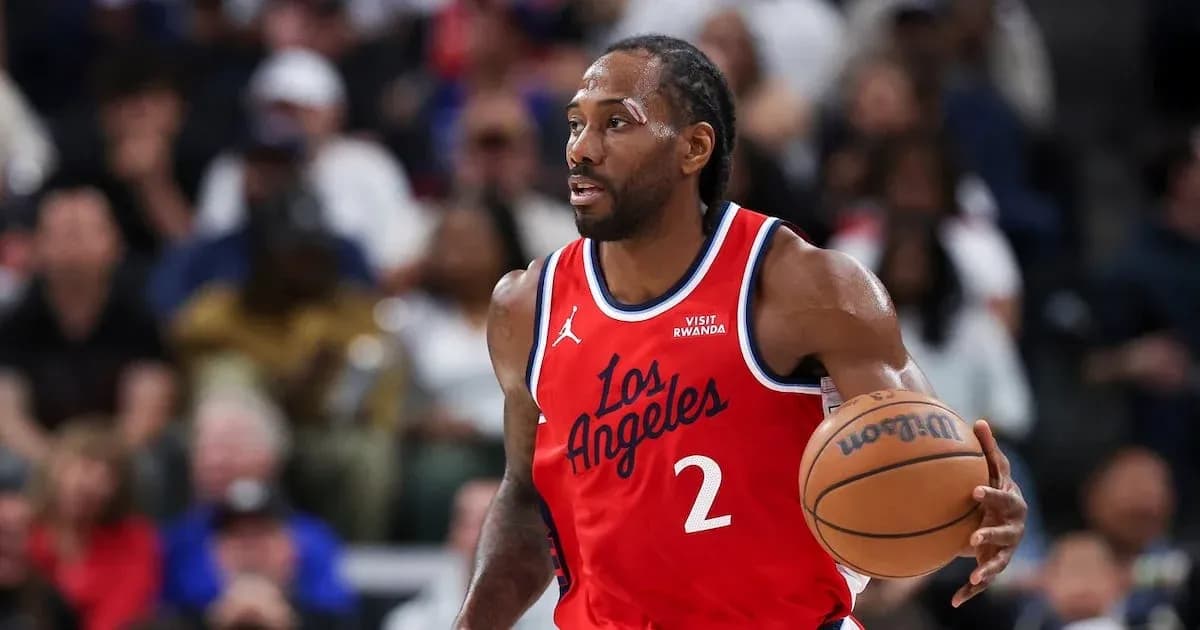
The NBA dropped a hammer on the Los Angeles Clippers on Wednesday, and it wasn’t just another fine or gentle warning. It was a full-scale indictment of how the franchise did business around its biggest star.
A $30 million penalty. Five first-round picks gone. A one-year ban for owner Steve Ballmer. A $700,000 hit for Kawhi Leonard. Senior executives suspended. And a clear message from commissioner Adam Silver: the league believes the Clippers tried to buy a contender by going around the rules everyone else plays by.
“This was a pattern of misconduct,” the league said in its summary, calling the Clippers a “prior offender” of salary cap circumvention rules. The punishment matches that language. It’s the harshest cap-related sanction the NBA has handed down in years.
A year-long investigation, a stunning verdict
The case started quietly last September and grew into a sprawling, nearly year-long investigation. It was triggered by a podcast.
Investigative journalist Pablo Torre reported that the Clippers had used off-court endorsement money to effectively boost Leonard’s compensation beyond what the cap allowed. That allegation sent the league digging into Leonard’s commercial ties and the team’s business dealings.
What they found, the NBA says, was a web of off-court income opportunities arranged or pushed by the Clippers: endorsement agreements with Aspiration Partners, Boingo Wireless, Daktronics and Lockton Insurance. Deals that, in the league’s view, were not organic sponsorships, but instruments to get Leonard paid more than the cap would otherwise permit.
The league concluded the Clippers “induced” those companies into deals with Leonard by offering them team business. The report also says the organization picked up personal expenses for Leonard and his representatives and failed to report improper solicitations for off-court income made on his behalf.
Leonard himself, the NBA found, violated the rules “through the conduct of Dennis Robertson,” his uncle and then-business manager, by pressuring the Clippers to help secure those off-court opportunities, accepting them, and not reimbursing the team for personal expenses.
The fallout is sweeping.
The penalties: money, picks and power
The league’s ruling reshapes the Clippers’ future on several fronts.
- The franchise must forfeit five first-round draft picks from 2029 through 2033.
- The team is fined $30 million.
- Ballmer is suspended from “all league and team activities” for one year. The NBA says he “knowingly” helped Leonard obtain off-court income, approved a business deal tied to Aspiration’s endorsement of Leonard, and failed to ensure the organization complied with cap rules.
- Gillian Zucker, president of business operations, is suspended without pay for a year for being “primarily and directly culpable” for the impermissible endorsement arrangements and for giving “false and misleading statements” to investigators.
- Lawrence Frank, president of basketball operations, is suspended without pay for six months for his role in the endorsement setups and for approving improper expenses for Leonard and his family.
- Leonard must pay the NBA $700,000 “in connection with his violations.”
- Robertson is banned for five years from doing business with NBA teams or affiliates on behalf of any player or personnel.
The NBA and the NBPA agreed these penalties are “final and binding.” There will be no appeal to the commissioner’s office.
Silver did not hold back in his public statement, calling the violations “flagrant” and tying them directly to the integrity of the league’s competitive structure.
“The NBA’s collectively bargained system for determining player compensation is a fundamental component of the basketball competition that the league oversees,” Silver said. “The severity of the penalties reflects the seriousness of the violations.”
Leonard, notably, will not see his contract voided and will not be suspended. His on-court career continues, and his long-delayed move back to the Toronto Raptors is expected to go through after being frozen during the investigation.
Clippers push back: ‘Heavily biased’ and ‘predetermined’
If the NBA’s language was strong, the Clippers’ response was incendiary.
In a statement, the organization said it “vehemently reject[s]” the findings and branded the investigation by law firm Wachtell Lipton as “heavily biased,” claiming the probe was built to “justify a predetermined narrative rather than facts and evidence.”
The team went further, accusing the league of saying one thing behind closed doors and another in public.
“What the league told us privately differs from what it announced today publicly,” the statement read, adding that the process did not meet the standard of fairness and accuracy Silver had promised.
The Clippers insist they cooperated “fully and in good faith” and now vow to fight back. They say they will “vigorously challenge” the findings and penalties “through every avenue available” and are “looking forward to an ethical and impartial arbitration process.”
The NBA, for its part, has already labeled the penalties final. The next battle moves into the legal and arbitration arena, where the definitions of “bias,” “cooperation” and “circumvention” will be tested.
Leonard’s stance: responsibility, but no intent
Leonard’s name sits at the center of the scandal, but his tone was measured and controlled.
In a statement released through his new agent, Harrison Gaines, Leonard framed the controversy as a failure inside his circle rather than a calculated scheme he directed.
“Integrity and respect for this game are fundamental to who I am,” Leonard said. He said he accepts “full responsibility for lapses in judgment by people within my inner circle” and expressed regret for the distraction caused to fans and family.
Leonard insisted he entered his Clippers contract and the questioned agreements “in good faith,” with “no knowledge of any intent on anyone’s part to circumvent the salary cap.”
He pointed to his 15-year career and his priorities — family, the game, and his teammates — and made clear his focus is now on his next chapter in Toronto.
“As I return to Toronto, I am focused on what I can control, closing this chapter, and moving forward with a clean slate,” he said.
The Aspiration trail and the whistleblower spark
The seeds of this case were planted years before the NBA’s formal investigation.
Aspiration, the sustainability-focused financial company at the heart of the story, collapsed in scandal. Co-founder Joe Sanberg was sentenced in June to 14 years in prison for defrauding investors. When the company went bankrupt, court filings revealed Leonard as a creditor.
Ballmer had poured $60 million into Aspiration. Dennis Wong, the Clippers’ only minority owner, invested $1.99 million just nine days before a $1.75 million payment went to Leonard. Wong’s daughter worked at Aspiration. The company even agreed to a jersey patch deal with the Clippers that never materialized.
Inside Aspiration, alarm bells were already ringing. In 2023, two former employees filed an SEC Whistleblower Complaint under penalty of perjury, alleging the company paid Leonard “an incentivized bonus to circumvent the NBA’s salary cap, disguised as an organic marketing sponsorship agreement.”
A former finance department employee later appeared on “Pablo Torre Finds Out” and said they were told not to question Leonard’s sponsorship because “it was to circumvent the salary cap.”
Once the NBA spoke with Sanberg during its probe, it informed Judge Stephen V. Wilson that he had cooperated. Ballmer, in turn, submitted a victim impact statement that attacked Sanberg’s credibility.
The league, though, had already seen enough in the paper trail.
A long shadow from 2019
This isn’t the first time Leonard’s free agency has brushed up against the league’s rulebook, even if earlier investigations cleared the Clippers.
When Leonard hit the market in 2019, multiple reports suggested Robertson pushed the boundaries with his demands. Bruce Arthur of the Toronto Star reported that Robertson asked the Raptors for ownership stakes in both the Raptors and Maple Leafs, plus an extra $10 million per year in sponsorship income.
When Toronto officials pointed out that local companies would line up to sign Leonard as an endorser, the response from his camp, according to Arthur’s reporting, was blunt: “We don’t want to do anything.”
The Athletic reported similar behavior with the Los Angeles Lakers: requests for a private plane, a home, and a stake in the team. The Lakers refused, and the NBA investigated at the time, ultimately finding no wrongdoing by the Clippers.
This time, the league says the line was crossed.
A season already on edge
All of this unfolded against a backdrop of disappointment on the floor.
The Clippers entered the season talking about titles and banners. Leonard played well, but the team never hit its stride. They stumbled early, finished 42-40 and then crashed out in the Play-In Tournament against the Warriors.
At the trade deadline, the organization pivoted, sending out James Harden and Ivica Zubac and signaling a reluctant nod toward the future. That future now arrives stripped of draft capital, with key executives sidelined and an owner barred from the building for a year.
Leonard heads back to Toronto trying to reboot his career and reputation. The Clippers stay in Los Angeles with a scarred cap sheet, a gutted draft cupboard and a public fight brewing with the league office.
The question now isn’t just whether they can build a contender again. It’s whether anyone around the NBA will ever look at the Clippers — or at the way stars are courted and compensated — quite the same way.