.svg&w=384&q=75 "logo")
Kawhi Leonard and the Uncle Dennis Controversy
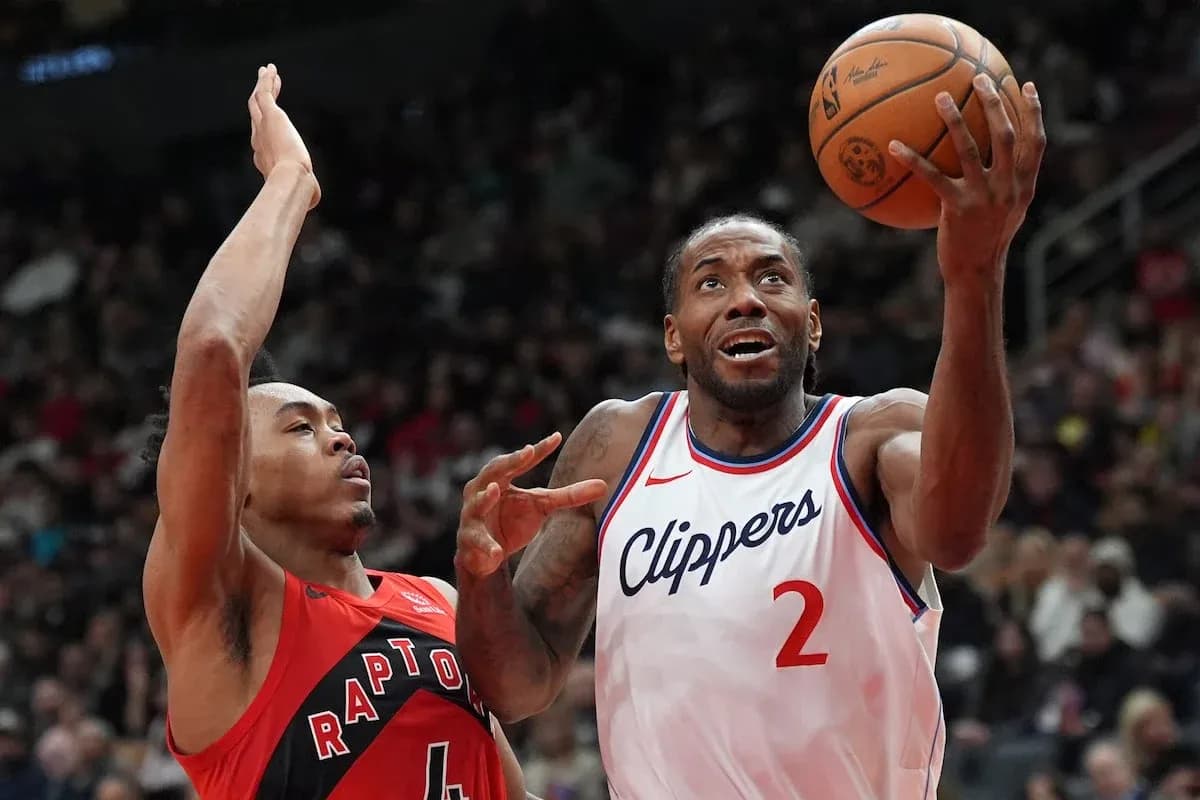
In the modern NBA, too many careers come with an Uncle Dennis.
The familiar story goes like this: a star player locks in on winning, hands the business keys to a trusted relative or childhood friend, and hopes the off-court world takes care of itself. Often, it doesn’t.
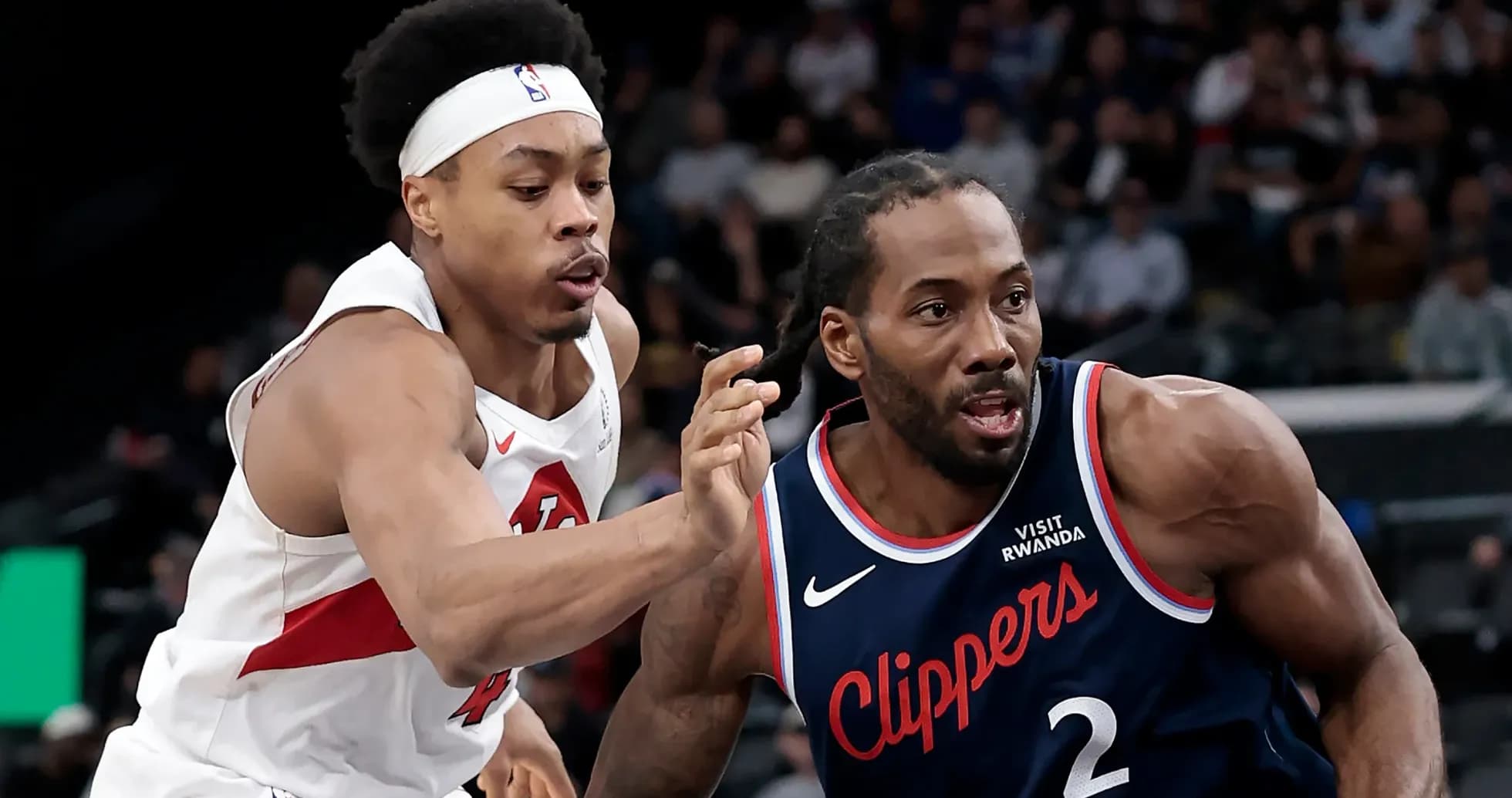
In Kawhi Leonard’s case, it blew up the L.A. Clippers.
On Wednesday, the NBA dropped one of the harshest punishments in recent league memory, banning Dennis Robertson – Leonard’s uncle and former business manager – from any contact with teams, players or league employees for five years. The league ruled that Robertson played a central role in the Clippers’ circumvention of salary cap rules, the bedrock of the NBA’s competitive balance.
Robertson had long been whispered about as a relentless operator. Inside front offices, his reputation preceded him. Executives swapped stories of outlandish asks and creative demands. The flashpoint came in 2019, when Leonard hit free agency fresh off a Finals MVP and a championship run with the Toronto Raptors.
That summer, Uncle Dennis went shopping.
Raptors drew the line
The Raptors, Lakers and Clippers all heard from Robertson. The law firm Wachtell, Lipton, Rosen & Katz, hired by the NBA to investigate, laid out the pattern in its report: Robertson made “numerous requests for benefits that were prohibited under the Collective Bargaining Agreement, including equity in teams, housing, access to private transportation, and off-court income such as endorsement deals.”
Toronto’s answer was simple: no.
This wasn’t a mid-level decision. Raptors ownership took it all the way upstairs. Larry Tanenbaum, chair emeritus at Maple Leaf Sports & Entertainment, and Edward Rogers, executive chair at Rogers Communications Inc., were both involved. They were prepared to pay Leonard like the superstar he is. They were not prepared to torch the rulebook.
That stance quietly resonated around the league. Among players, it reinforced the idea that Toronto would treat its stars well but wouldn’t play dirty. In business circles, it signalled that MLSE and Rogers would not bend governance for a short-term win.
The Clippers chose a different path.
Ballmer’s big yes
Steve Ballmer, the former Microsoft CEO and the NBA’s wealthiest owner, leaned into the chase. According to the league’s findings, he effectively greenlit the off-court structure Robertson wanted.
Robertson targeted US$10-million in endorsement income for Leonard, on top of a basketball contract that will pay the forward US$50.3-million next season. The Clippers’ ecosystem delivered. Leonard secured tens of millions from four companies that did business with the franchise.
Three of those companies paid Leonard US$18-million for almost nothing. The investigative report was blunt: Leonard’s only confirmed activity under any of the agreements was a single visit to a military base and signing some memorabilia.
The message was clear – this wasn’t a normal commercial portfolio. It was a workaround.
On Wednesday, commissioner Adam Silver swung hard. The Clippers forfeited five first-round draft picks, the lifeblood of any team trying to sustain success, and were fined US$30-million. Ballmer himself was suspended from all league activities for a year for “knowingly seeking to help Mr. Leonard obtain off-court income opportunities.”
For an owner who lives courtside, who built a reputation as one of the league’s most visible and engaged figures, the ban lands as more than a financial penalty. It’s exile.
Leonard pays, Raptors gain
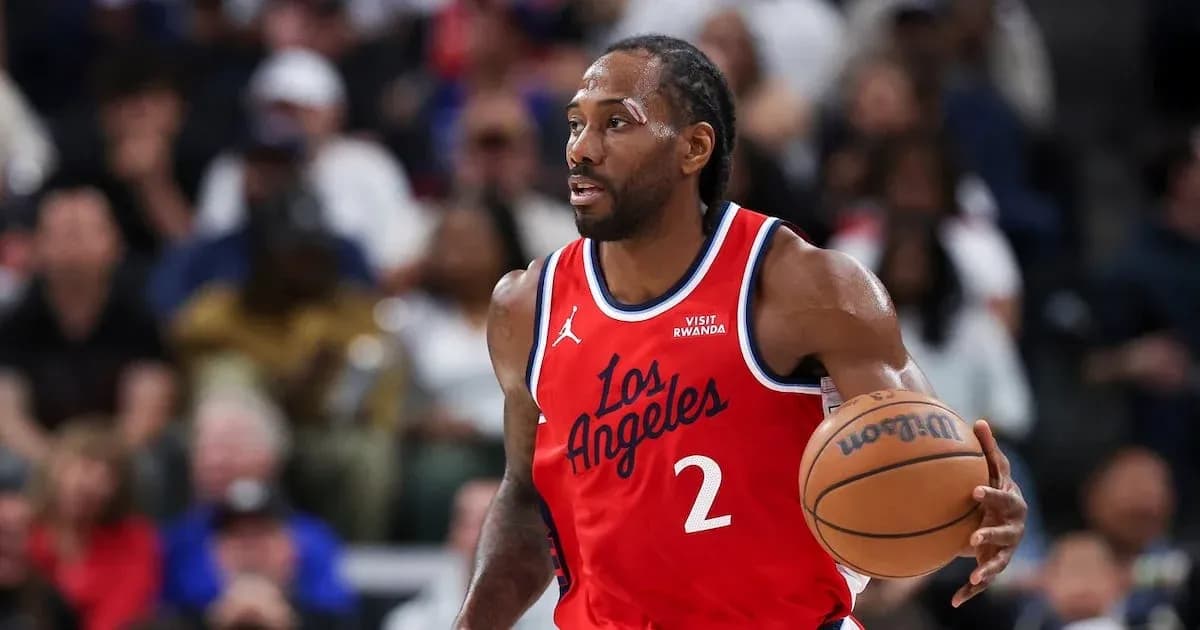
Leonard, now preparing to return to Toronto for the final year of a three-year, US$149.5-million deal, has not tried to duck the fallout. The NBA’s sanctions require him to repay US$700,000 to the league for travel, tickets and gifts he received and never covered.
The personal dimension runs deeper. Robertson stepped into Leonard’s life after Leonard’s father was murdered when Kawhi was 16, becoming a mentor and central figure in his inner circle. That history adds a layer of complexity to a scandal that, on paper, reads like a clean-cut cap case.
On Wednesday, through a statement released by his new agent, Leonard accepted “full responsibility for lapses in judgment by people within my inner circle and regret the distraction this situation has caused the fans and my family.” The wording made it clear: the buck stops with the star, even if the deals were engineered by someone else.
“As I return to Toronto, I am focused on what I can control, closing this chapter, and moving forward with a clean slate,” Leonard said.
It’s a different Leonard than the one who first arrived in Canada. Back then, he moved in the shadows, rarely seen beyond the court and the practice facility. This summer, he’s been more visible. He stood beside Tanenbaum, both grinning, at a news conference where Kyle Lowry rejoined the Raptors for a day to retire as a member of the franchise he helped define.
A franchise reset, on and off the court
For the Raptors, landing Leonard again is more than a basketball coup. It’s a statement about culture at a club that has often struggled to lure marquee free agents.
In the boardrooms, the timing could hardly be better. Rogers is in the middle of a push to sell institutional investors on a minority stake in its pro sports assets, which it values at $25-billion, as it looks to raise capital and reduce debt. Leonard’s return, and the enduring image of his series-winning shot against the Philadelphia 76ers, offers a powerful visual for that pitch.
His face will be everywhere in those presentations. The shot, the bounce, the roar – it all sells.
For Tanenbaum, expected to sell his MLSE stake to Rogers for $4.35-billion this fall, Leonard’s comeback serves as a parting gift, a final flourish in a career built on trying to win without cutting corners. The NBA’s ruling only sharpens that contrast: Toronto said no and took the high road; Los Angeles said yes and paid the price.
For Rogers, Leonard’s presence drags the Raptors back into the NBA’s centre stage at exactly the right moment, both competitively and commercially.
The Clippers are left to count the cost, stripped of draft capital and their owner barred from the league he tried to game. The Raptors, who refused to play by Uncle Dennis’s rules, now welcome back the player at the heart of the storm.
The question is no longer how far a rogue adviser can push the system. It’s what Leonard, with a clean slate and a franchise behind him, does with this second act in Toronto.