.svg&w=384&q=75 "logo")
Bahrain Grand Prix Shifted to Malaysia Amid Regional Turmoil
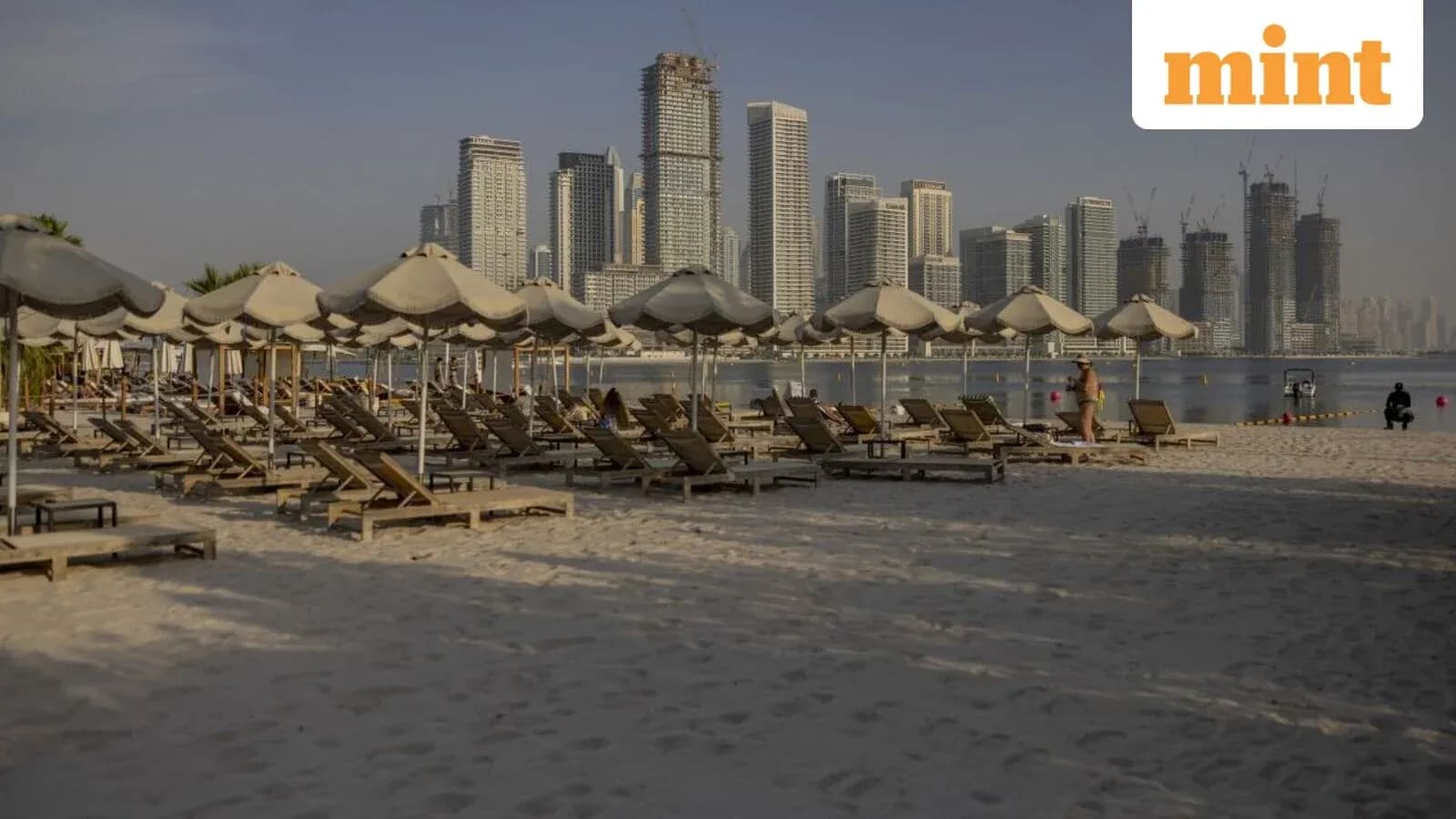
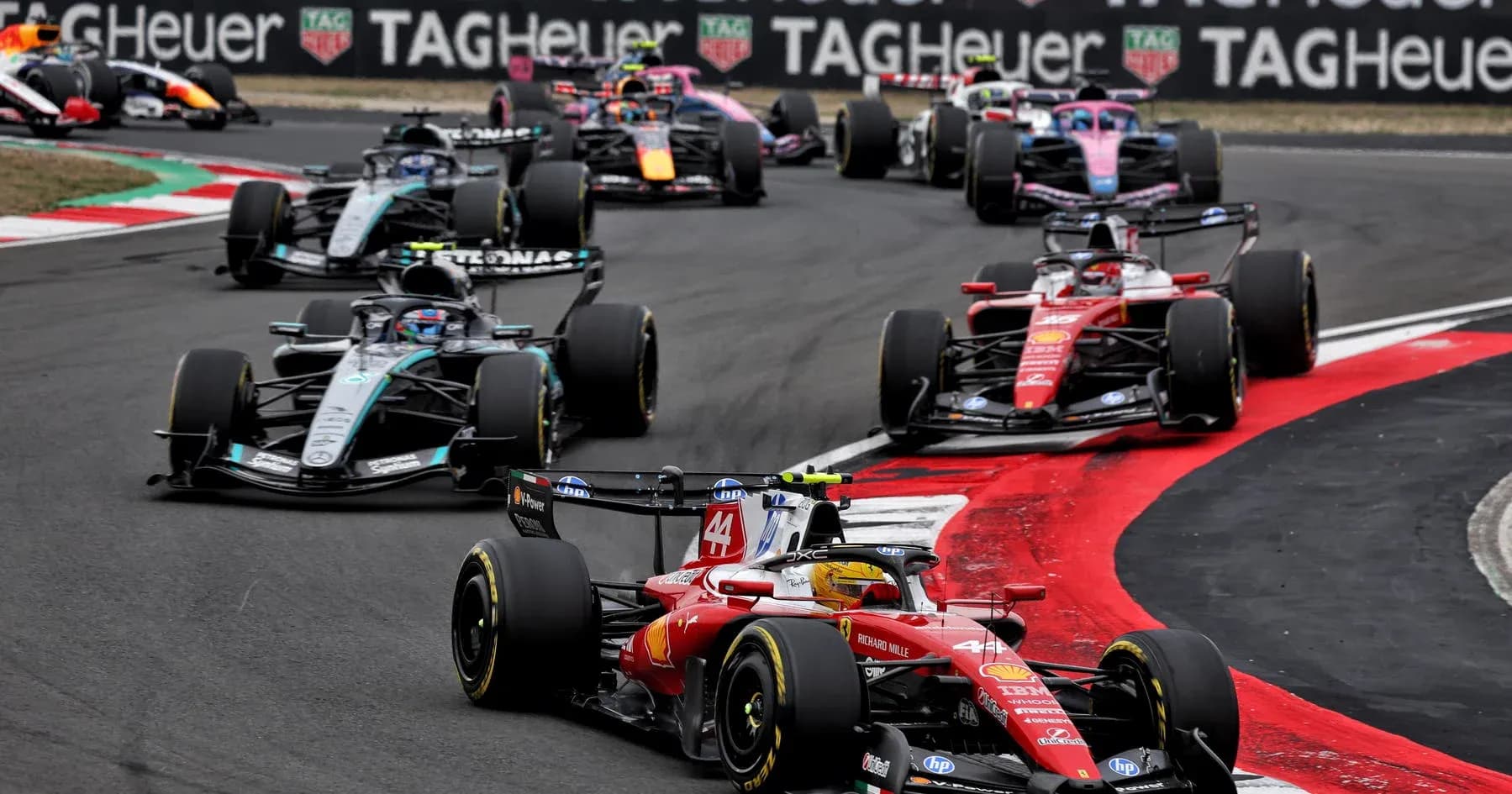
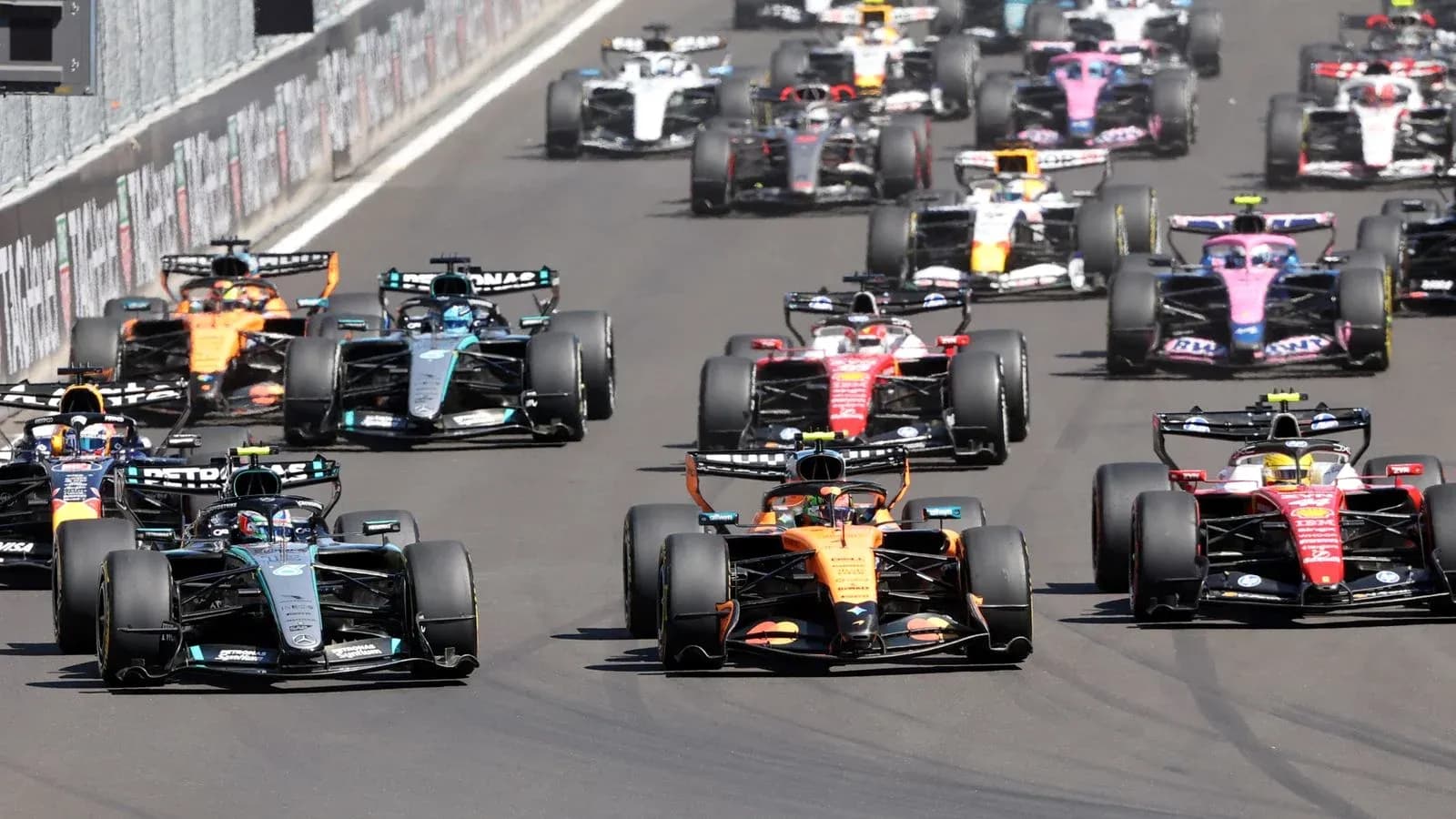
The floodlights will blaze, the engines will scream, and the chequered flag will fall on a Bahrain Grand Prix this October. Only this year, Bahrain’s race will unfold thousands of miles away in Malaysia.
That single detail captures the jarring reality facing the Gulf’s marquee events. The region built its global image on spectacle – Formula One night races, e-sports extravaganzas, A-list music festivals, record-breaking hotels. Now, war risk has ripped into that carefully crafted façade, emptying lobbies, grounding planes and pushing blue-ribbon events offshore.
Big shows, moved or shelved
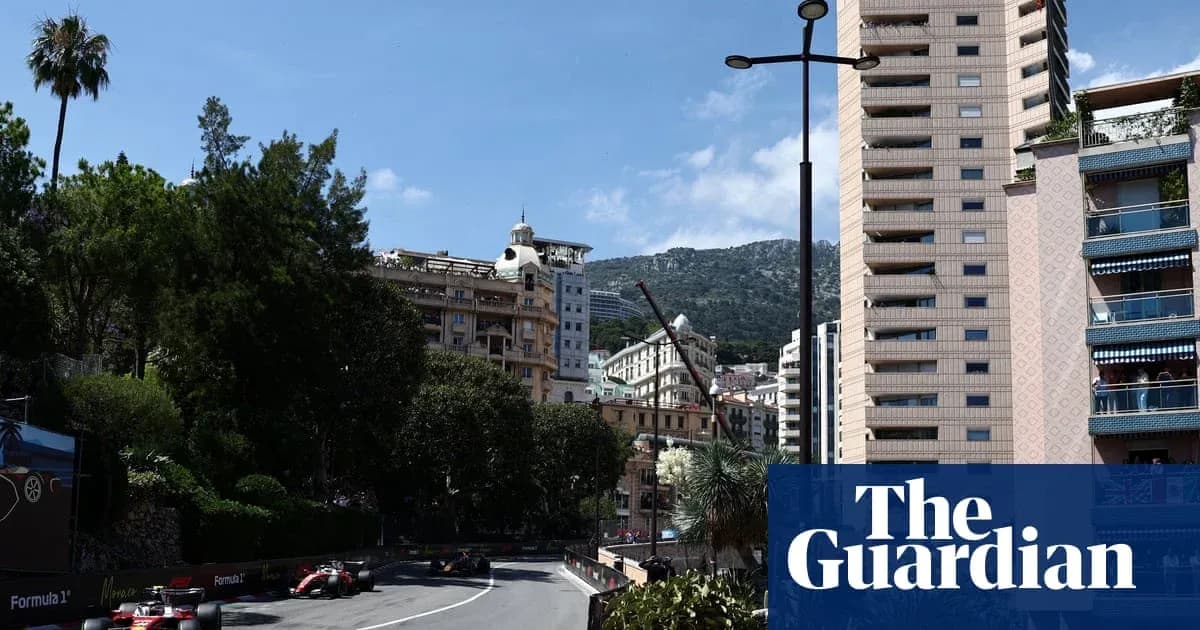
The reshuffle has been brutal. Saudi Arabia, which poured billions into videogames as part of its reinvention drive, has shifted the E-Sports World Cup from Riyadh to Paris. Formula One has already scrapped April’s race in the kingdom. The Abu Dhabi Grand Prix still sits on the December calendar, but the sport’s bosses have made it clear: that can change.
In the United Arab Emirates, a major music festival fronted by Shakira never made it to the stage. It was pulled before the first note.
Behind each cancellation sits a wider economic hit. Aviation, real estate, tourism, shipping and hospitality – the pillars of the Gulf’s diversification story – have all taken blows. Businesses are not only staring at vanishing demand. They are also battling shipping snags that slow everything from heavy machinery to kegs of imported beer.
“When this thing ends, it is still going to take six months for things to start to feel normal again,” said Rafael Khanoyan, chief executive at U.A.E. contractor Al Ryum Group. He described shipment backlogs and rerouted containers driving up the cost of imported goods.
Gulf leaders had gone into the summer with a different script in mind. According to people familiar with their thinking, they expected the violent phase of the conflict to ease into drawn-out talks over Iran’s nuclear program, with economies edging back toward business as usual.
That script has been torn up. Those same leaders now see the rest of the year as a write-off and are bracing for a prolonged stretch of low-level conflict, with no clear U.S. roadmap to end it.
Dubai’s gloss, and the cracks beneath
In Dubai, the mood in the hardest-hit sectors has turned sharply. Business figures talk about a recovery that could be years away, even as the authorities clamp down on war-related information, halt some data releases and launch a marketing barrage to sell the city as back to its prewar sheen.
The numbers tell a different story.
Dubai International Airport – normally among the world’s busiest – reported a 31% year-on-year drop in passenger traffic in the first half of 2026. Cargo volumes fell 29% in the same period.
Hotel occupancy, according to Cavendish Maxwell, slid to 56% in the first half of the year from around 80% in 2025. The most luxurious properties, once the city’s calling card, have seen the steepest falls.
Wynn Resorts, building the U.A.E.’s first legal casino resort at a cost north of $5 billion, has already pushed back its opening by months and absorbed hundreds of millions of dollars in extra costs. Chief executive Craig Billings told investors in August that the company always priced in geopolitical risk.
“Look, I’m not going to tell you there’s no risk, but when we underwrote the project…we didn’t underwrite a region with zero geopolitical risk,” he said. “We underwrote a country with a demonstrated ability to manage through it.”
The skies show who is willing to take that risk. Many European and North American carriers, including Air Canada, KLM and Lufthansa, have extended suspensions of flights to Dubai, some into next year. Gulf-based airlines keep flying, threading routes through Iranian airspace and maintaining a higher appetite for risk. Dozens of planes have landed at or left Dubai International Airport within minutes of missile or drone warnings, according to previous reporting by The Wall Street Journal.
Vision 2030 under strain
For Saudi Arabia, the turbulence hits at the heart of Crown Prince Mohammed bin Salman’s Vision 2030, the sweeping plan to shift the kingdom away from oil and towards sectors such as tourism, entertainment and technology.
The current crisis, said Neil Quilliam, an associate fellow at Chatham House, makes tourism a far less reliable hedge against oil.
“Vision 2030 was already a bit on the rocks, and they were already changing their priorities,” he said, pointing to a pivot away from the softer, lifestyle-driven goals toward heavier industrialization.
Markets have reacted. Dubai’s real-estate index, which tracks listed developers, has shed about a third of its value from levels seen just before the war. Residential sales dropped 31% in the spring. At the top end of the market, the damage is starker: sales of properties above $4 million plunged 59%, according to brokerage Betterhomes.
“This year went into the trash,” said Walid Abou Sabha, a Dubai-based property consultant.
His own story mirrors Dubai’s boom-and-stall arc. Originally from Lebanon, he arrived in 2023 to ride the city’s post-Covid real-estate surge. His income jumped from around $2,000 a month in other Middle Eastern markets to $65,000 a month, selling high-end properties and embracing the fast cars, parties and expensive watches that have become shorthand for Dubai’s lifestyle.
Then Iran fired on Dubai on the war’s opening day. By early spring, Abou Sabha’s monthly sales had collapsed from seven to zero. He still believes the city will come back.
“You cannot gamble against Dubai. Any time people did, they ended up losing,” he said.
Prices hold, for now
What makes this downturn unusual is the resilience of headline prices. Betterhomes data shows average residential sales prices in Dubai rising 3% in the second quarter of 2026 versus a year earlier, even as volumes fall. Hotels, despite half-empty rooms, cut rates by only 7% in the first half of the year compared with the same period in 2025. Airfares have stayed high as competition thins and jet-fuel costs rise.
That tension cannot last forever, argued Alistair Paine, chief executive of Peninsula, which advises foreign firms setting up in Saudi Arabia and the U.A.E. He expects prices to eventually bow to weaker business activity, though likely not before year-end.
“There is a time effect to be realized here,” Paine said.
While the Gulf grapples with that lag, others are moving to pounce.
Asia circles the opportunity
Some Asian countries have begun quietly rolling out incentives aimed at firms unnerved by the Gulf’s instability.
Singapore in August announced a tax exemption for certain investment profits earned by fund managers. Turkey in June unveiled a 20-year tax break on some foreign-sourced income for new residents and a lower inheritance tax.
Both countries already offer a far smoother path to citizenship than Gulf states, which maintain extremely restrictive naturalization rules.
“They are incentivizing companies to capitalize on what is going on in the Gulf,” said Quilliam.
For firms that rushed into the region to tap its wealth, the calculation is not simple. Quilliam noted that bureaucratic hurdles and a punitive stance toward companies that leave could make any exit – and later return – costly.
“It’s a balancing act,” he said.
A state trying to steady the ship
The U.A.E. has moved to reassure investors and entrepreneurs. Senior Emirati officials, usually reserved and low-profile, have stepped into the spotlight to meet business leaders and calm nerves.
Dubai has signed off on stimulus packages worth about $680 million. The measures include deferrals or exemptions on some government fees, targeted support for hotels and streamlined residency processes.
On the consumer side, the city is effectively paying people to keep coming. Authorities are distributing tourist vouchers worth hundreds of dollars, bundling free tickets to water and theme parks, steeply discounted stays at Palm Jumeirah hotels and three months of a premium food-delivery subscription.
The events calendar, at least on paper, still carries star power. An Emirati-hosted international golf tournament is slated for November. Composer Hans Zimmer, bands Imagine Dragons and the Chainsmokers, and comedians Russell Peters and Trevor Noah are all scheduled to perform before the year is out.
Yet even officials acknowledge how fragile that schedule is.
“A state of neither war nor peace cannot be a sustainable solution,” Anwar Gargash, a senior Emirati adviser, said on social media this week.
The Gulf built its modern identity on certainty – of security, of energy flows, of ever-rising skylines. The question now is how long global investors, tourists and event organizers will keep betting on that promise while the region lives in the uneasy space Gargash describes.