.svg&w=384&q=75 "logo")
Formula One 2027: More Races and Sprints Across Continents
Formula One tears up the script again in 2027. More races, more sprints, more continents squeezed into nine relentless months – and a calendar that underlines just how global, and how demanding, the championship has become.
Sprints go big – and hit Monaco
The headline change is blunt enough: sprint races jump from six to 10. That alone would be significant. Where they land makes it seismic.
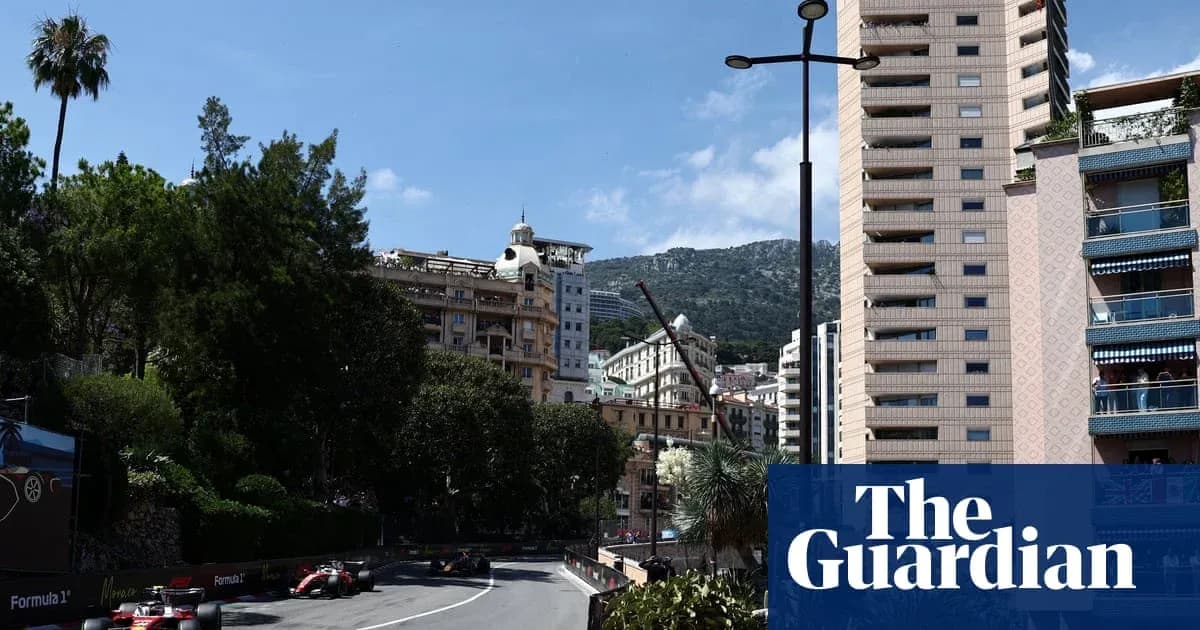
For the first time, Monaco will stage a sprint weekend, a bold move at a circuit defined by tradition and caution. Bahrain, Australia, Japan and Abu Dhabi also join the sprint roster for the first time, turning some of F1’s most visually striking venues into two‑race theatres across a weekend.
The format returns to familiar ground as well: Montreal, Silverstone, Monza, São Paulo and Lusail all keep their sprint slots. F1’s leadership clearly believes the short-form shootout has done its job – spiking TV numbers, tightening Saturdays, and creating more jeopardy for the frontrunners.
Ten sprints in a 24‑race season means almost half the calendar will carry extra competitive sessions. That is a very different rhythm to the year, for teams, drivers and fans alike.
Bahrain to Abu Dhabi: 24 races, two comebacks
The 2027 season will again run long. It opens in Bahrain on 14 March and closes in Abu Dhabi on 12 December, framing a 24‑race marathon that leans heavily on continuity but slips in two popular returnees.
Portugal is back, with Portimão set for 20 June. The Algarve circuit last hosted Formula One in 2021 during the Covid-affected campaigns, its rolling elevation changes and blind crests quickly winning admirers in the paddock and in living rooms.
Turkey also rejoins. Istanbul Park returns on 3 October, another pandemic stand-in turned modern cult favourite, remembered for its sweeping Turn 8 and a stint as a regular venue between 2005 and 2011. Both tracks now step back into the spotlight in a calendar that leaves little room for sentiment.
The Middle East retains its full slate, with all four races scheduled in their usual windows. Bahrain, Saudi Arabia, Qatar and Abu Dhabi remain structural pillars of the season, despite the disruption earlier this year when the Bahrain and Saudi Arabian grands prix were called off because of the war in the region. Bahrain’s 2024 race has been shifted to Malaysia in October, but for 2027 the plan is stability.
For now, F1 insists this year’s calendar stays intact, with Qatar and Abu Dhabi still slated to close the current championship.
Barcelona out, Spa rotates, Zandvoort bows out
Not everyone keeps their seat at the table.
Barcelona disappears from the 2027 list as planned, with the Spanish venue set to rotate biannually with Spa for the Belgian Grand Prix. It is a compromise that tries to protect one of the sport’s most cherished circuits while acknowledging the commercial pressure to spread races across new markets.
The Dutch Grand Prix at Zandvoort, meanwhile, has already had its farewell. This year’s race was the last at the seaside amphitheatre, a venue reborn for the Max Verstappen era but unable to secure a longer-term foothold in a congested schedule.
Brutal triple-headers and a softer Las Vegas finish
Three triple-headers punctuate the year, and they will test every department in the pit lane.
April brings Australia, Japan and China back-to-back, a punishing swing across time zones and climates. Later in the year, Azerbaijan, Turkey and Singapore line up in September-October, a run that mixes high-speed street racing with Istanbul’s fast, flowing layout.
Then comes the Americas block: United States, Mexico and Brazil in October-November. It is a familiar trio, but still one of the most physically and logistically draining stretches of the season.
One change will be welcomed up and down the grid. Las Vegas, which exploded onto the calendar with a glitzy but gruelling late‑season slot, will no longer run back-to-back with Qatar and Abu Dhabi. That triple-header had been widely unpopular with teams, who faced an exhausting transcontinental sprint to close the year. In 2027, there will be a one-week breather after Nevada, a small but significant concession to the human cost of a 24‑race campaign.
Quiet contingency, loud ambition
Officially, there is no new contingency plan on the table for the Middle East races. Unofficially, discussions have already started. It is understood F1 has been weighing alternatives should events in the region again force cancellations.
For this season, the sport’s stance is to press ahead with Qatar and Abu Dhabi as planned, but Imola is expected to be on standby to host a season finale in December if required. That kind of quiet backup work has become part of modern calendar management.
What is not quiet is the message from F1’s hierarchy. CEO Stefano Domenicali framed the 2027 schedule as proof of the championship’s pull.
“Formula One continues to go from strength-to-strength, attracting new audiences around the globe,” he said. “Week after week, the world’s greatest drivers will battle on some of the most challenging tracks in motor sport, supported by F1’s outstanding teams, world-class manufacturers, and global partners. Together, they create a spectacle unlike anything else in sport.”
A calendar like this backs up his words. Ten sprints, 24 races, three triple-headers, and the return of Portimão and Istanbul. The question now is not whether the world will watch – it is how long teams and drivers can keep living at this pace.