.svg&w=384&q=75 "logo")
Formula 1 2027 Calendar: A Bold New Era with 24 Races
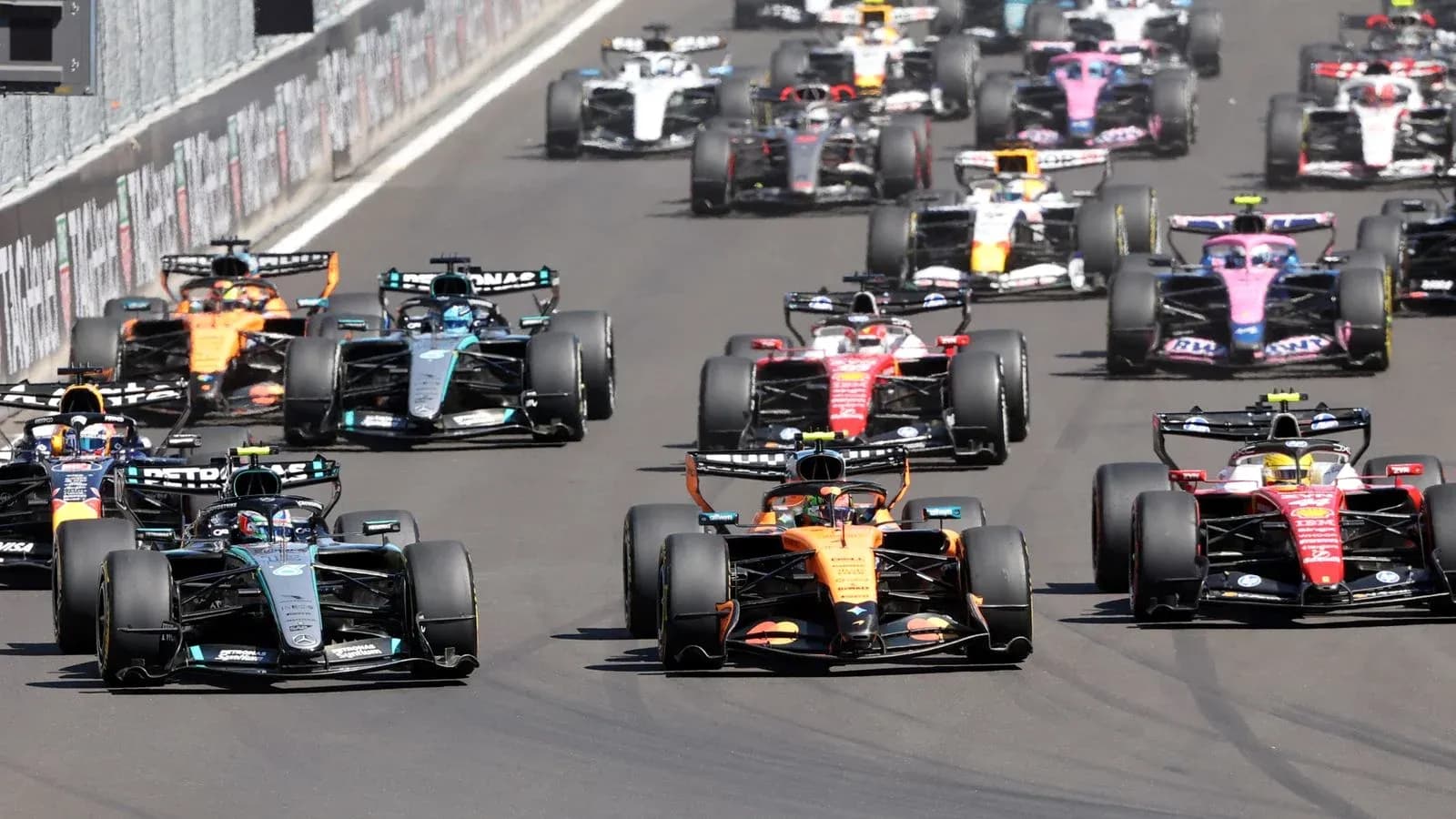
Formula 1’s 2027 calendar has landed, and it is not shy.
Twenty-four races. Ten Sprint weekends. Old favourites returning, a modern giant stepping aside, and a new era of rotation for some of Europe’s most historic venues. All of it wrapped around a season that once again begins under the Bahrain floodlights.
Bahrain opens, Sprint era ramps up
F1 had held back this announcement while conflict in the Middle East cast doubt over the closing stretch of the current campaign, with Qatar and Abu Dhabi still on the slate for later this year. The uncertainty has not stopped the sport from plotting an aggressive next move.
Bahrain will stage a four-day pre-season test from February 24-27, then roll straight into the 2027 curtain-raiser on March 12-14. It will be a Sprint weekend, setting the tone for a season that leans heavily into the format Liberty Media believes keeps eyeballs glued and storylines boiling.
Saudi Arabia follows a week later, maintaining the early-season Gulf double-header that has become a fixture of the modern F1 map.
Australia back to third, Asia packs a punch
From there, the calendar stretches out across the globe. Australia slides back into a familiar role as the third round in early April and also takes on Sprint duties, a sign of how central Melbourne remains to F1’s commercial and sporting identity.
Japan hosts the next Sprint, before China closes out a demanding early triple-header. It is a run that will test the new generation of power units and the resilience of teams long before Europe even appears on the horizon.
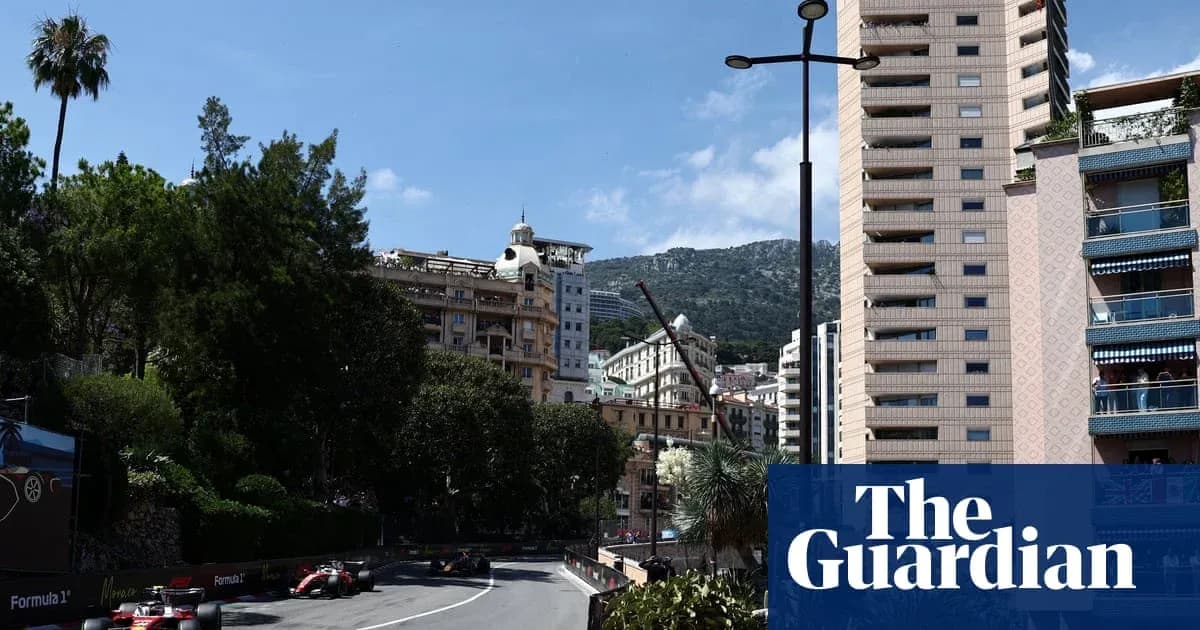
Miami keeps its early May slot, a sign that F1’s push into the US market is no passing flirtation. Then comes a striking line in the press release: Sprint rounds in Canada and, for the first time, Monaco.
Two qualifying sessions around Monte Carlo’s unforgiving streets, one for the Sprint and one for the Grand Prix, promise a weekend loaded with jeopardy. One mistake, and a driver could wreck not just Sunday’s race but Saturday’s as well.
Portimao and Istanbul return, Zandvoort drops away
The middle of the year brings two popular comeback stories. Portugal’s Portimao and Turkey’s Istanbul Park rejoin the calendar, both circuits having earned a cult following during their pandemic-era stand-ins with flowing layouts and punishing elevation changes.
Portimao lands in mid-June, before the British Grand Prix hosts a Sprint weekend from July 2-4. Silverstone, already one of the most intense weekends of the year, gets another layer of drama. Austria shifts to follow the British race, keeping a traditional European rhythm but with a slightly altered beat.
Not everyone survives the reshuffle. The Dutch Grand Prix at Zandvoort, a fan favourite since its return, falls off the schedule entirely. The orange grandstands and beach-town chaos step aside as F1 tries to balance heritage, geography, and commercial pull.
Barcelona and Spa forced to share
There is a new kind of compromise at the heart of the calendar too. Circuit de Barcelona-Catalunya and Spa-Francorchamps, two pillars of the European season, are locked into a rotational deal.
From 2028, Spain will be staged in even-numbered years, while from 2027 Belgium will run in odd-numbered years. It is a blunt illustration of how crowded the calendar has become. Even Spa, arguably the most beloved track on the grid, must now share its space.
For 2027, though, both feature. Belgium and Hungary run back-to-back before the summer break, a pairing that sends the paddock into its pause with two very different but equally demanding tests.
Monza Sprint kicks off the run-in
After a longer-than-usual five-week summer break, the season restarts in style. Monza, the so-called Temple of Speed, hosts a Sprint in early September. It is the first race back, and the Italian tifosi will not need much encouragement to turn the place into a cauldron.
A week later comes the Spanish Grand Prix in Madrid, as F1 leans into Spain’s capital as a future focal point while Barcelona prepares for its rotational role.
Then comes a brutal stretch. Azerbaijan, Turkey and Singapore form a triple-header that drags teams from the streets of Baku to Istanbul Park’s sweeping turns and then into the humidity and glare of Marina Bay. Logistics departments will earn their money.
Americas swing and a Vegas showpiece
The now-familiar Americas triple-header remains intact: Austin, Mexico City and São Paulo in quick succession, with Brazil again designated as a Sprint weekend. Interlagos rarely needs extra spice, but it is getting it anyway.
Las Vegas retains its status as the outlier. It will host the only Saturday race of 2027, though that still translates to a Sunday morning start in the UK. The Strip stays central to F1’s US strategy, a neon-soaked spectacle that the sport clearly sees as a flagship event.
Qatar and Abu Dhabi close a relentless year
The season then barrels towards its conclusion in the Gulf. Qatar and Abu Dhabi both take on Sprint weekends on December 10-12, closing a campaign that will have asked as much of drivers, teams and machinery as any in F1 history.
By that point, the championship picture may be clear. Or those extra Sprint points could still be twisting the knife in a title fight that refuses to settle.
Domenicali hails growth, FIA backs expansion
F1 president Stefano Domenicali framed the 2027 schedule as a showcase of both legacy and ambition.
"The 2027 calendar brings together some of the most iconic circuits and vibrant cities in the world, creating an incredible stage for another unforgettable season of Formula 1," he said, welcoming Portugal and Turkey back into the fold and underlining the push to 10 Sprint events as a way to deliver "more intensity, drama, and the wheel-to-wheel action that make our sport so special."
He pointed to the sport’s continued global surge, describing a championship where "the world's greatest drivers will battle on some of the most challenging tracks in motorsport," backed by elite teams, manufacturers and partners, and driven, in his words, by the passion of fans.
FIA president Mohammed Ben Sulayem echoed that stance, calling the 2027 FIA Formula One World Championship calendar "a strong reflection of the global appeal and continued growth of our sport," highlighting 24 Grands Prix across five continents, the returns of Portugal and Turkey, and an expanded Sprint programme that he believes blends "tradition, innovation, and fan engagement" while keeping sporting standards high.
The numbers are stark. Twenty-four races. Ten Sprints. Iconic venues forced into rotation. Others disappearing altogether.
F1 is not easing off. It is flooring it. The question now is simple: who can keep up?