.svg&w=384&q=75 "logo")
Australian Grand Prix 2027: Rising Prices and New Memberships

The Australian Grand Prix has never been cheap. Next year, it becomes a luxury.
Fans eyeing a trip to Albert Park for the 2027 Formula 1 Australian Grand Prix will have to dig deeper again after the Australian Grand Prix Corporation (AGPC) confirmed another round of price rises – and unveiled a new membership model that sends some costs into a different stratosphere.
Memberships that cost more than the seat
The headline change sits in the grandstands.
- $750 for standard Grandstand membership
- $1275 for the Premium tier
The standard membership offers priority renewal each year, a welcome pack and early access to the precinct. The $1275 Premium version adds the right to buy seats in the premium-only Brabham grandstand on the inside of Turn 1.
None of those prices include an actual race ticket.
Four-day grandstand tickets themselves start at about $600. In Brabham, they start at $910. To sit there in 2027, a fan will need the $1275 Premium membership plus the $910 seat, taking the total to $2185.
Two years earlier, in 2025, the cheapest four-day Brabham seat cost $1045. The ticket component for 2027 is lower, but the new membership requirement more than wipes out that saving. Access to one of the circuit’s most popular vantage points has effectively doubled in price.
General admission no longer “cheap”
Those hoping to avoid the membership maze and stick to the grass banks are also paying more.
A four-day general admission ticket has climbed another $40 to $425. That same park pass cost $189 in 2022, the first Australian Grand Prix held after the COVID-19 shutdown. In five years, the cheapest way through the gate has more than doubled.
Even general admission now comes with its own membership option. For $275, the Albert Park Circuit Club offers early access to the precinct, discounts and priority renewal. Again, that fee sits on top of the race ticket itself.
For many, that’s the breaking point.
Fans bite back
Reaction online was instant and angry. Long-time attendees lined up on social media to say they’ve finally been priced out of a race they helped turn into one of the sport’s blue-riband events.
“This is honestly disgusting,” F1 fan Jonny Fraser wrote on X.
“Pricing out the very fan that has built this event from years ago to what it is today. Brabham prices have nearly tripled in one year. Absolutely shameless.”
The numbers back up the sense of shock. A Brabham four-day ticket that once flirted with the $1000 mark now sits beyond $2000 when membership is factored in. General admission, once marketed as the accessible option, is now north of $400 before any extras.
Yet the crowds keep coming.
Record gates, rising prices
Since the sport returned to Melbourne in 2022, each Australian Grand Prix has broken attendance records. The rising prices have not dented demand; if anything, the event’s popularity has given organisers the confidence to keep pushing.
In 2026, a record 483,934 fans streamed through the gates over four days. Thursday and Friday both set single-day attendance marks. Across the sport’s long history, only two other F1 weekends have drawn bigger crowds.
Against that backdrop, AGPC clearly believes the market will bear the latest increases, especially with a fresh on-track hook arriving next year.
Sprint era arrives at Albert Park
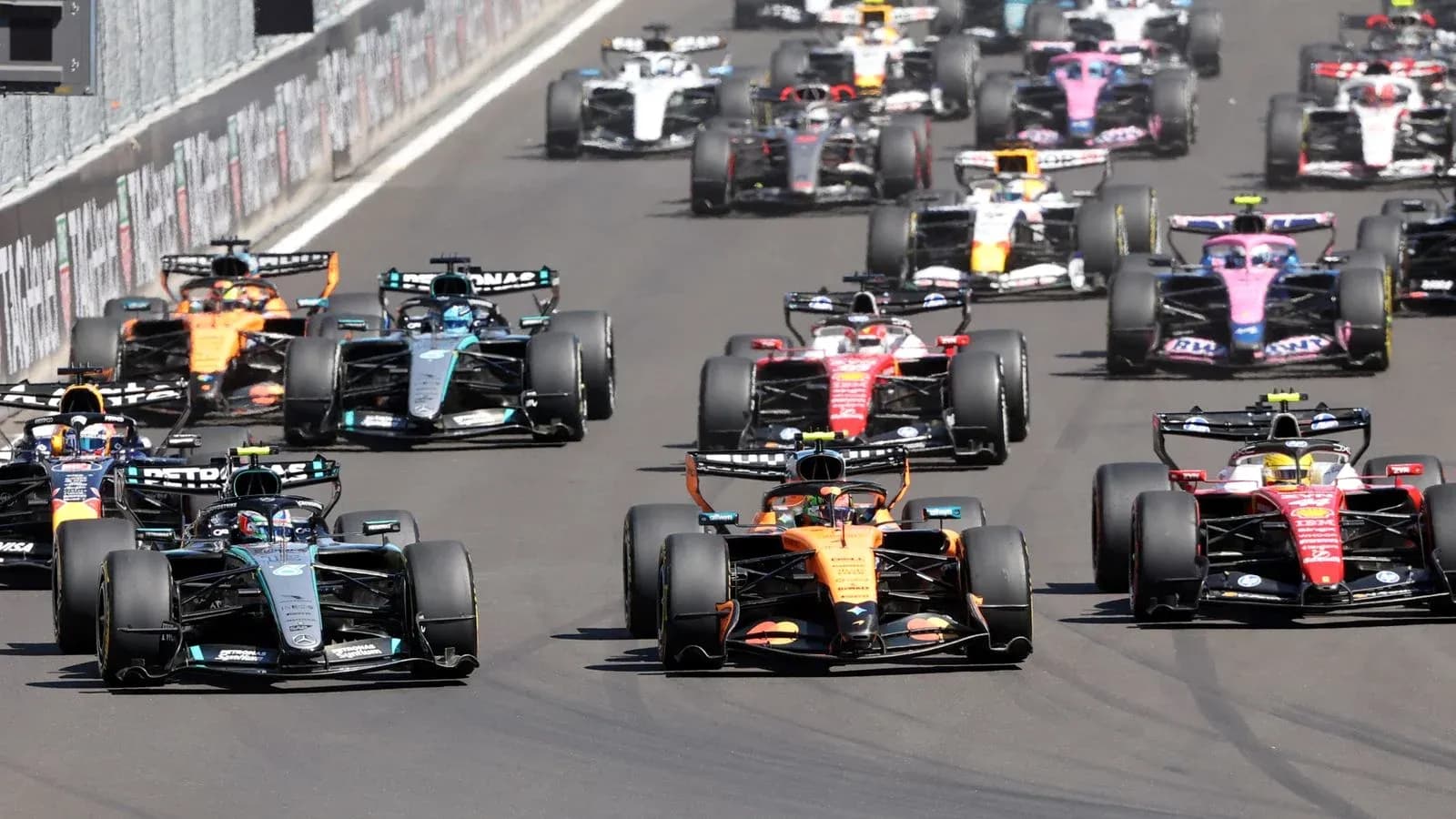
For the first time, the Australian Grand Prix weekend will feature a sprint race, scheduled for the Saturday of the 2027 event.
AGPC chief executive officer Travis Auld hailed the sprint as an “exciting addition for fans” and promised “more on-track action than ever before” across Friday and Saturday.
“We’re also excited to launch the Albert Park Circuit Club membership program and today’s announcement brings us another step closer to next year’s event,” Auld said. “We can’t wait to welcome fans back to Albert Park Circuit.”
The revised format will reshape the weekend’s rhythm.
The event is expected to start in familiar fashion on Thursday, April 1, with Supercars and Porsche Carrera Cup sessions. F3, F2 and F1 running begins on Friday, but the second F1 practice session will disappear, replaced by sprint qualifying.
On Saturday, the 100km sprint takes the slot usually reserved for third practice, with traditional grand prix qualifying to follow that evening. Sunday remains race day as usual.
Bahrain and Saudi Arabia will open the season before the championship heads to Melbourne, where the sport’s new era of sprints meets an old favourite of the calendar.
The question now is simple: as the spectacle grows and the format evolves, how many of the fans who built those record crowds will still be able to afford a seat to see it?