.svg&w=384&q=75 "logo")
Smriti Mandhana Makes History as India Dominates Hong Kong
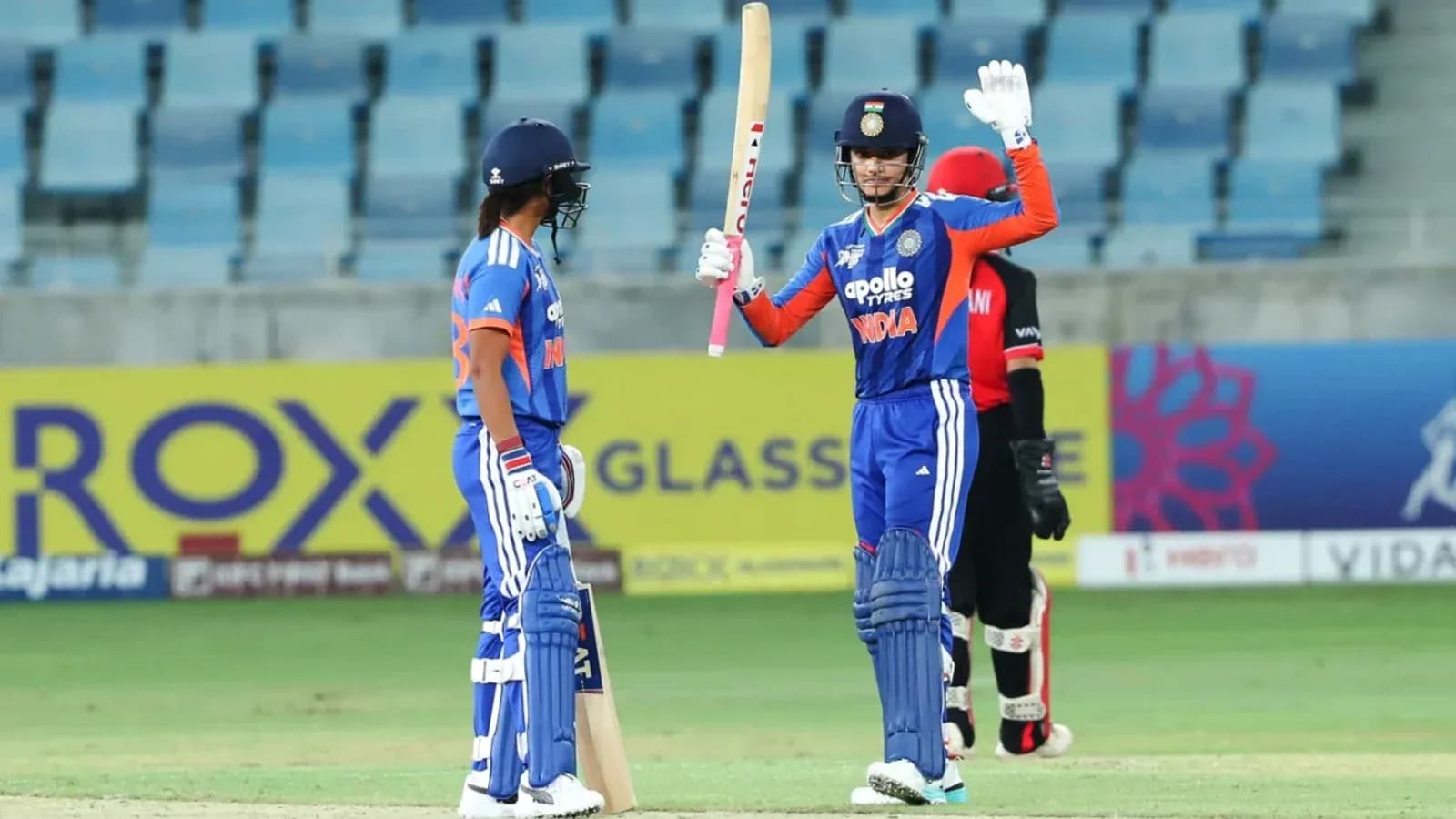
At the Dubai International Stadium, under lights and under pressure, Smriti Mandhana turned a group-stage fixture into a landmark night for women’s cricket.
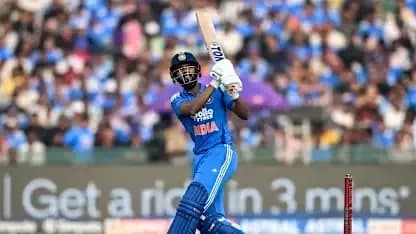
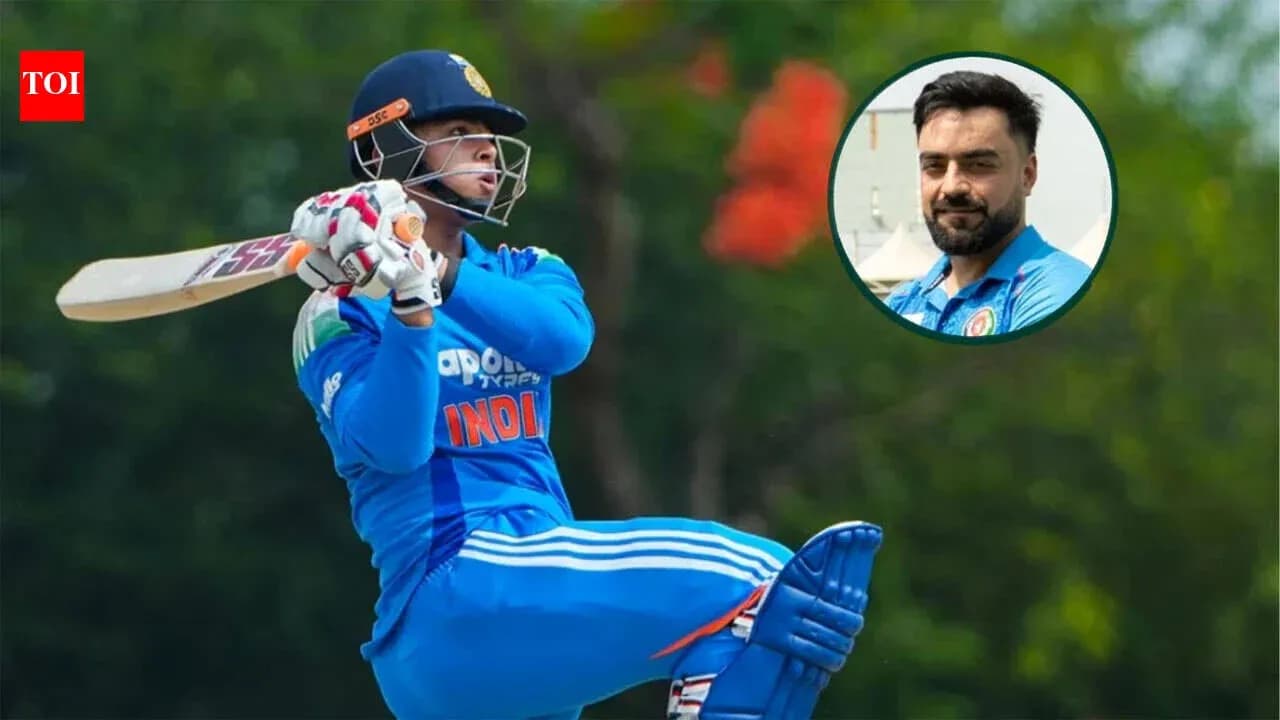
India thrashed Hong Kong, China by 137 runs to become the first team into the Women’s Asia Cup 2026 semifinals, but the margin only tells half the story. The real headline belonged to Mandhana, who surged past Mithali Raj to become the highest run-scorer in women’s international cricket across formats, then piled on a majestic 124 in a total of 193 for 5.
By the time Hong Kong’s last wicket fell — Shanzeen Shahzad stumped with her back leg in the air, Richa Ghosh whipping off the bails and the third umpire confirming the inevitable — Mandhana’s new world mark already felt like part of a bigger, rolling narrative. India look like a side building something serious.
A record falls, an innings soars
Harmanpreet Kaur had wanted to bat first on what she called a “tricky” surface at the toss. Natasha Miles spared her the decision, chose to bowl, and soon discovered what Mandhana in full flow looks like on any pitch.
India began quietly. Just 5 for 0 from the first over off Iqra Sahar, the ball already misbehaving off the surface, low bounce and cracks making strokeplay a calculated risk. Mandhana and Shafali Verma took a couple of overs to read it. Once they did, Hong Kong were chasing shadows.
Kary Chan’s first over disappeared for boundaries on both sides of the wicket, Mandhana slog-sweeping into the vacant deep midwicket region. The next over, from Maryam Bibi, confirmed the shift. Mandhana drilled a cover drive, slog-swept, then dragged another to the leg side. Three fours in the space of six balls, and suddenly India were 38 without loss after five, the intent crystal clear.
Shafali then lit the fuse.
Marina Lamplough’s over to close the powerplay went 4, 6, 4, dot, 0, 6 as Shafali shuffled across, targeted fine leg, then carved and clubbed with that familiar, fearless abandon. India roared to 60 for 0 after six, the platform set, the pressure squarely on a Hong Kong attack already cycling frantically through options.
Alison Siu came on straight after the powerplay and managed to slow things briefly, but Mandhana was in a different rhythm. She kept finding gaps between extra cover and long-off, threading boundaries with surgical precision. Even when India lost their first wicket — Shafali holing out to Lamplough off Ruchitha Venkatesh for a brisk 28 off 17 — there was no dip in tempo. Mandhana simply shifted gears again.
By the halfway mark, India were 85 for 1 and Mandhana was within touching distance of fifty. She brought it up in style in the 11th over, lofting Sahar for six and then finishing the over with a four. Fifty came up, then the scoring rate climbed.
From fifty to all-time great
The middle overs belonged almost entirely to Mandhana. Partners came and went; the left-hander just kept climbing.
She toyed with the field. A scoop here, a drag over square leg there, then the classic inside-out loft over extra cover. In the 12th over she stepped across and launched Chan for six, then drove straight to test the long-off fielder, only for Lamplough’s fine work to restrict it to a single. The scoreboard, though, refused to slow. India reached 111 for 1 after 12, then 129 for 2 after 14 as Mandhana began to clear the ropes almost at will.
Pratika Rawal’s brief stay ended when she picked out point off Joyleen Kaur for 10, but by then Mandhana had locked in. She moved into the nineties with a flurry of fours through fine leg and extra cover, riding the uneven bounce, never losing shape.
The hundred came in fitting fashion. Lamplough, back into the attack, was first driven for four by Richa Ghosh. A couple of balls later, Richa fell to a return catch. Mandhana, unruffled, waited for width and sliced a cut shot to the fence. Three figures, another landmark, and no sign of easing off.
Then came the over that will live in record books.
Ruchitha returned and Mandhana launched her for three sixes in the space of four balls, storming past Mithali Raj’s all-format run tally and then past her own previous highest score in international cricket. It was not just accumulation; it was domination with a sense of occasion.
She finally fell in the last over, run out in a mix-up after opening it with yet another boundary off Siu. The dismissal felt almost jarring, the end too abrupt for an innings that had seemed destined to bat right through. Still, 124 runs anchored a commanding 193 for 5 — a total that looked towering on a pitch showing cracks by the third over of the match.
Hong Kong strangled from ball one
If Hong Kong harboured any hopes of chasing 194, India’s new-ball bowlers snuffed them out almost instantly.
Kranti Gaud opened with a miserly first over, Miles unable to rotate strike, just a single coming from it. Then Nandani Sharma struck in the second. Mariko Hill flirted with danger early, almost chopping on and edging short of slip. Nandani adjusted, attacked the stumps, and cleaned her up for a four-ball duck. Hong Kong 1 for 1, the chase already wobbling.
What followed was a choke.
Kranti backed up with a maiden, targeting Yasmin Daswani’s pads, beating the outside edge, refusing to offer width. Nandani then tied Miles down again, conceding just one run in the fourth over. After five overs, Hong Kong were 8 for 1. The required rate had ballooned; the belief started to ebb.
Shree Charani’s first over didn’t bring a wicket but did bring a rare boundary for Daswani, swept fine, and four byes that trickled away after beating everyone. Even then, 16 for 1 after six was nowhere near the asking rate.
Deepti Sharma’s introduction only deepened the stranglehold. Miles survived a near-miss that somehow shaved past her stumps, then finally managed a four, but Hong Kong were still crawling at 21 for 1 after seven. Singles, dots, the occasional boundary — it was survival, not a chase.
The pressure finally told.
Collapse under the lights
With the asking rate soaring beyond 13 an over, Daswani tried to break free against Deepti. She miscued, picking out Bharti Fulmali. Out for 11 off 23, Hong Kong’s anchor was gone, and India’s spinners had their teeth firmly into the game.
Prema Rawat then took over. She teased and tempted, and Natasha Miles, who had battled to 15 off 27, nicked a cut shot through to Richa Ghosh. Another wicket, another body blow. At 36 for 3 after 11 overs, Hong Kong were all but done.
Any hint of resistance came from Marina Lamplough. She briefly counter-punched, twice lifting Shree Charani straight back over the bowler’s head for boundaries, then dispatching a short ball from Kranti earlier in her stay. Her 14 from 15 was the only innings that hinted at tempo.
It didn’t last.
Charani outfoxed her with turn, Nandani Sharma flinging herself forward to complete a sharp catch. Maryam Bibi followed soon after, misreading Nandani’s flight and offering a straightforward catch to Shafali at mid-on. Hong Kong slid to 50 for 5 after 13, the contest now a procession.
Deepti returned to rip out the lower order and, in the process, climbed to the summit of another record list. She bowled Alison Siu for 1, then had Iqra Sahar caught behind for a three-ball duck, edging to Richa. Those wickets made her the highest wicket-taker in women’s T20I history, another milestone on a night already heavy with them.
Between those blows, Prema and Charani kept probing, while Joyleen Kaur’s brief cameo ended in chaos — a run out involving Smriti Mandhana and Richa Ghosh that left the batter visibly unhappy as she trudged off for 1.
At the end, it was left to Shahzad and the tail to merely delay the inevitable. Shahzad’s trailing leg lifted at the wrong moment, Richa’s glovework was razor sharp, and the third umpire confirmed what everyone in the stadium already knew: Hong Kong were done, India had stormed into the semifinals with a 137-run hammering.
Mandhana’s night will dominate the highlights, her 124 and the all-format record a towering statement of longevity and class. Deepti’s ascent to the top of the T20I wicket charts underlined the depth of India’s resources. Around them, a new-look line-up featuring Pratika Rawal settled in, did its jobs, and barely broke stride.
This was supposed to be a “tricky” pitch. It ended up looking like India’s stage.
If this is how they handle early-tournament tests, what happens when the knockouts arrive?