.svg&w=384&q=75 "logo")
NBA Punishes Los Angeles Clippers with Heavy Penalties
The NBA has thrown the book at the Los Angeles Clippers.
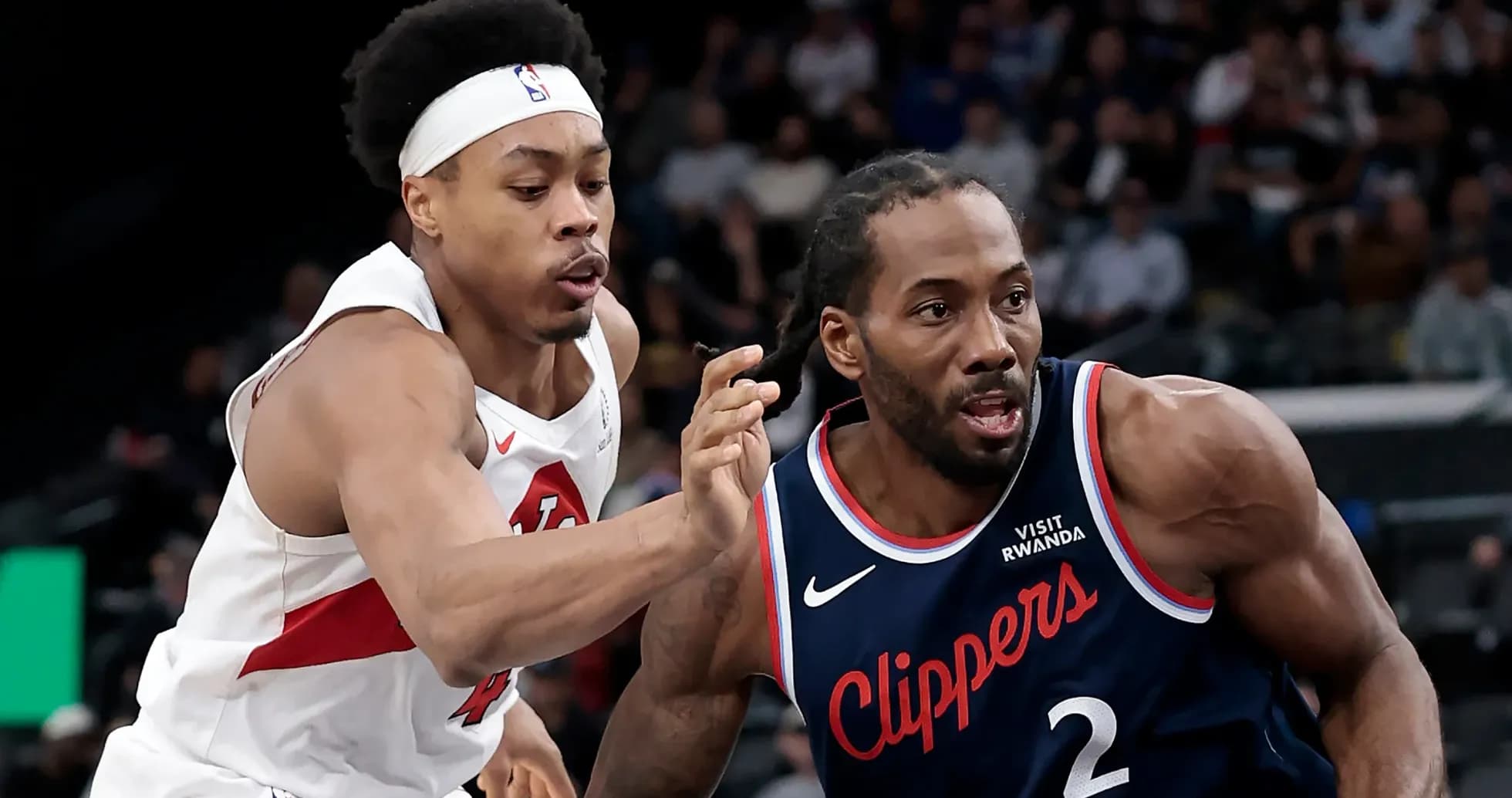
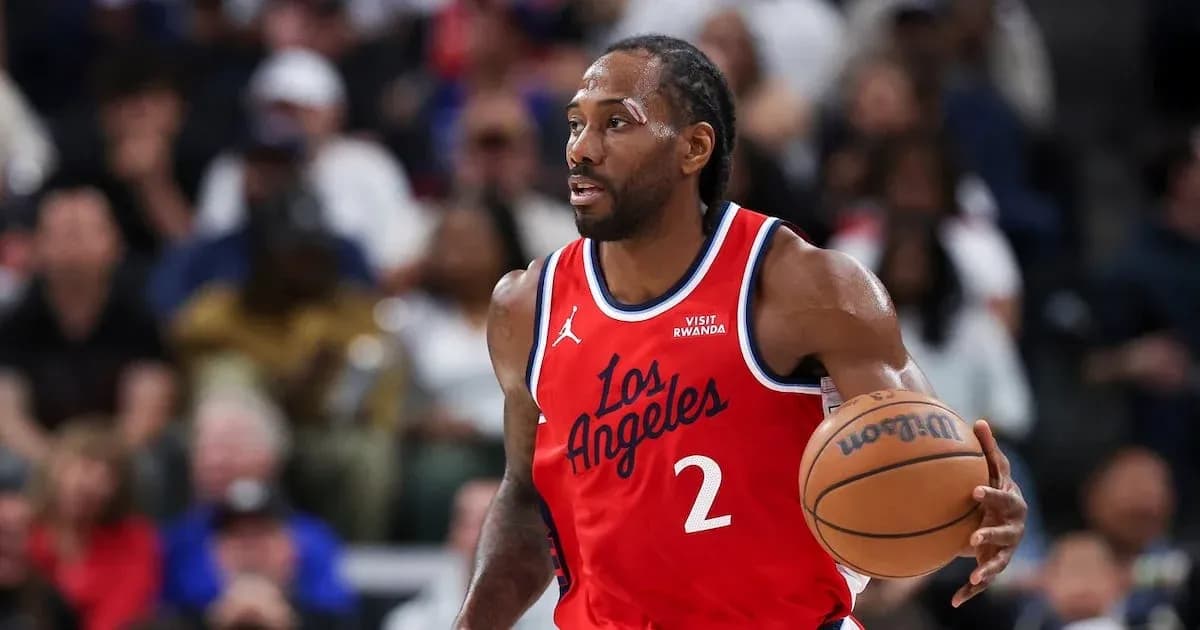
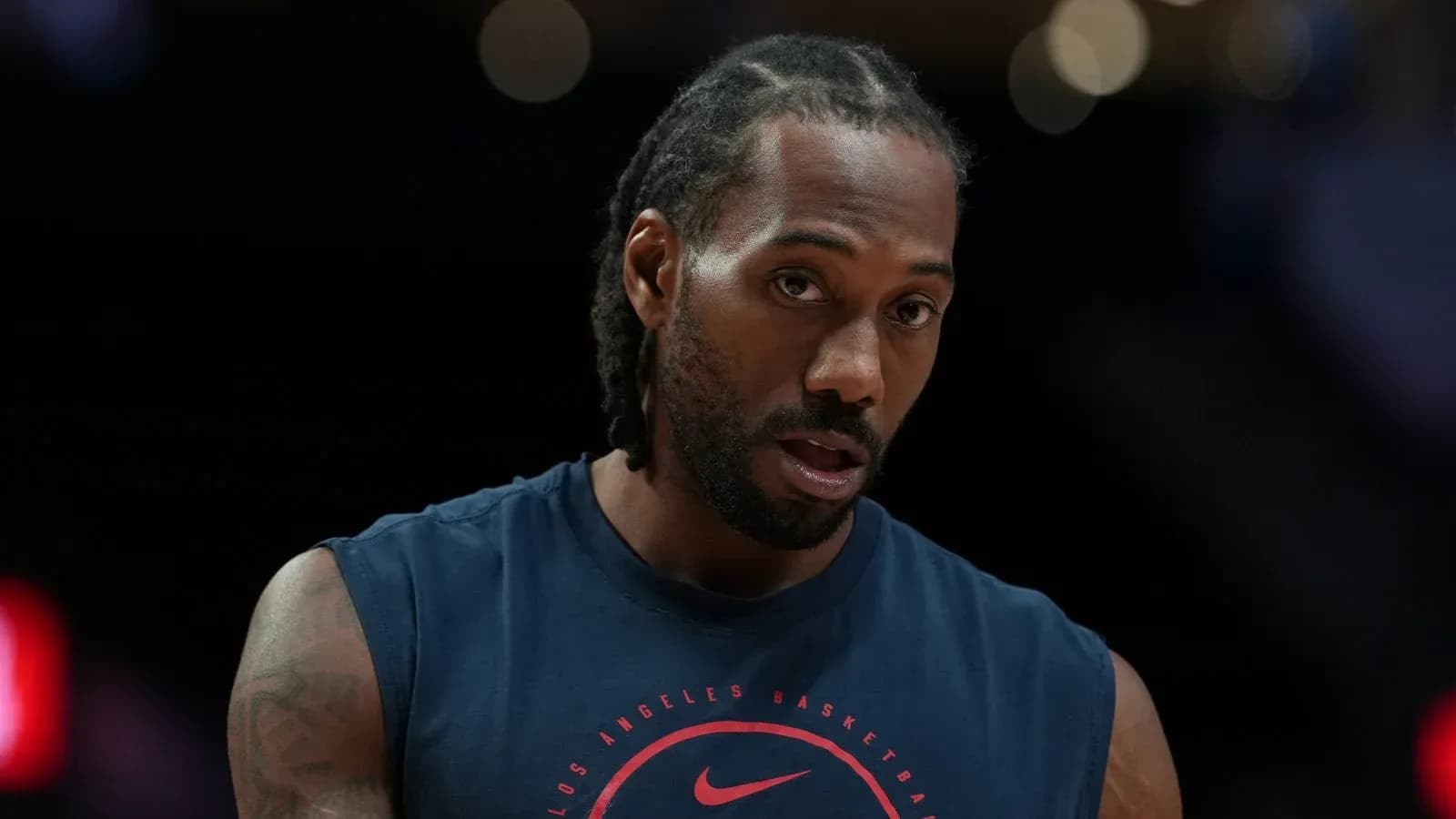
After a near year-long investigation into salary cap circumvention, the league hit the franchise with a $30m fine, stripped five first-round draft picks and suspended owner Steve Ballmer for a year. Kawhi Leonard, the face of the team and one of the league’s premier stars, received a $700,000 penalty of his own.
For a franchise that had insisted, repeatedly, it had done nothing wrong and expected to be cleared, the verdict landed like a hammer.
A Franchise in the Dock
The punishments run deep through the organisation’s leadership. Ballmer is out for a year. President of basketball operations Lawrence Frank is suspended without pay for six months. President of business operations Gillian Zucker is also banned for a year.
The cost isn’t just financial or reputational. Losing five first-round picks carves into the Clippers’ future, stripping away key assets in a league where draft capital underpins every serious rebuild and every blockbuster trade.
The investigation, conducted by New York law firm Wachtell Lipton, found that the Clippers violated NBA rules by orchestrating and facilitating off-court income opportunities for Leonard with four companies that do business with the team. The club, the report said, initiated those opportunities, helped arrange endorsement agreements and then sweetened the deals by offering the companies additional business from the franchise.
It did not stop there. The findings also state the Clippers paid personal expenses on Leonard’s behalf and failed to report improper solicitations for off-court income that were made for Leonard through his then-business manager and uncle, Dennis Robertson.
The league’s conclusion: this was not a misunderstanding. It was a circumvention of the collectively bargained system designed to regulate player compensation.
Leonard at the Centre
Leonard, a two-time NBA champion and two-time Defensive Player of the Year, sits at the heart of the scandal.
According to the NBA, Leonard — through Robertson — “violated the circumvention rules by pressuring the Clippers to assist him in obtaining off-court income opportunities, successfully obtaining those opportunities, and failing to reimburse payments by the Clippers for personal expenses.”
Leonard responded with a carefully worded statement issued through his new agent, Harrison Gaines.
“I accept full responsibility for lapses in judgment by people within my inner circle and regret the distraction this situation has caused the fans and my family,” he said.
He also defended his own intent.
“I entered into my contract with the Clippers as well as the agreements in question in good faith, fully committed to fulfilling my obligations and with no knowledge of any intent on anyone's part to circumvent the salary cap,” Leonard added.
The contrast is stark: a league describing “flagrant violations” and a star insisting he signed and performed in good faith, caught between his inner circle’s actions and the NBA’s unforgiving rulebook.
Silver Draws a Line
NBA Commissioner Adam Silver did not soften his language.
He framed the case not as a technical breach, but as an attack on the competitive framework of the league itself.
“The NBA's collectively bargained system for determining player compensation is a fundamental component of the basketball competition that the league oversees for the benefit of the teams and players and ultimately the fans,” Silver said. “I am deeply disappointed by the flagrant violations of our rules and by the Clippers' institutional and leadership failures that led to this misconduct. The severity of the penalties reflects the seriousness of the violations.”
That severity is visible everywhere: ownership, front office, star player, draft cupboard. No corner of the franchise escaped untouched.
Fallout and a Frozen Trade
The timing compounds the damage.
Earlier this summer, Leonard was at the centre of a trade agreement that would have sent him back to the Toronto Raptors, the franchise he led to a title. That deal is now on hold until the NBA’s investigation process fully concludes.
What once looked like a clean reset for both player and team has stalled. Any acquiring franchise must now weigh not only Leonard’s health and contract, but the shadow of the league’s findings and the financial and reputational storm swirling around him.
The Clippers, meanwhile, are left to absorb a historic punishment, operate without their owner for a year, and try to navigate a future with five fewer first-round picks in their arsenal.
For a club that spent the past decade trying to escape its old reputation and reinvent itself as a model contender, the question now is blunt: how do you rebuild trust when the league has just accused your entire leadership of breaking its most fundamental rules?