.svg&w=384&q=75 "logo")
Kevin Pietersen Returns as England Mentor: A Shift from No-Dickheads Doctrine

The man who built modern sport’s most famous “no‑dickheads” doctrine has signed off from England duty with a straight face and a glowing reference. Gilbert Enoka, culture guru, leadership whisperer, looked at Brendon McCullum’s England and declared: “There wasn’t one dickhead in there.”
History, and the police blotter, have begged to differ.
By the time Enoka’s consultancy ended in November 2025, the evidence had started to stack up. Harry Brook scrapping with a bouncer. Jacob Bethell and Josh Tongue out boozing on the eve of a game. Rob Key deciding the smartest response was to slide the whole thing under the carpet and hope nobody tripped over the bulge.
A month later the circus pitched up in Noosa. More drink. Ben Duckett vanished into the night. Then came the Lord’s curfew saga, Ben Stokes flaring up, Derby and the handcuffs. Enoka was right in one sense. It wasn’t one dickhead. It was clearly a different number.
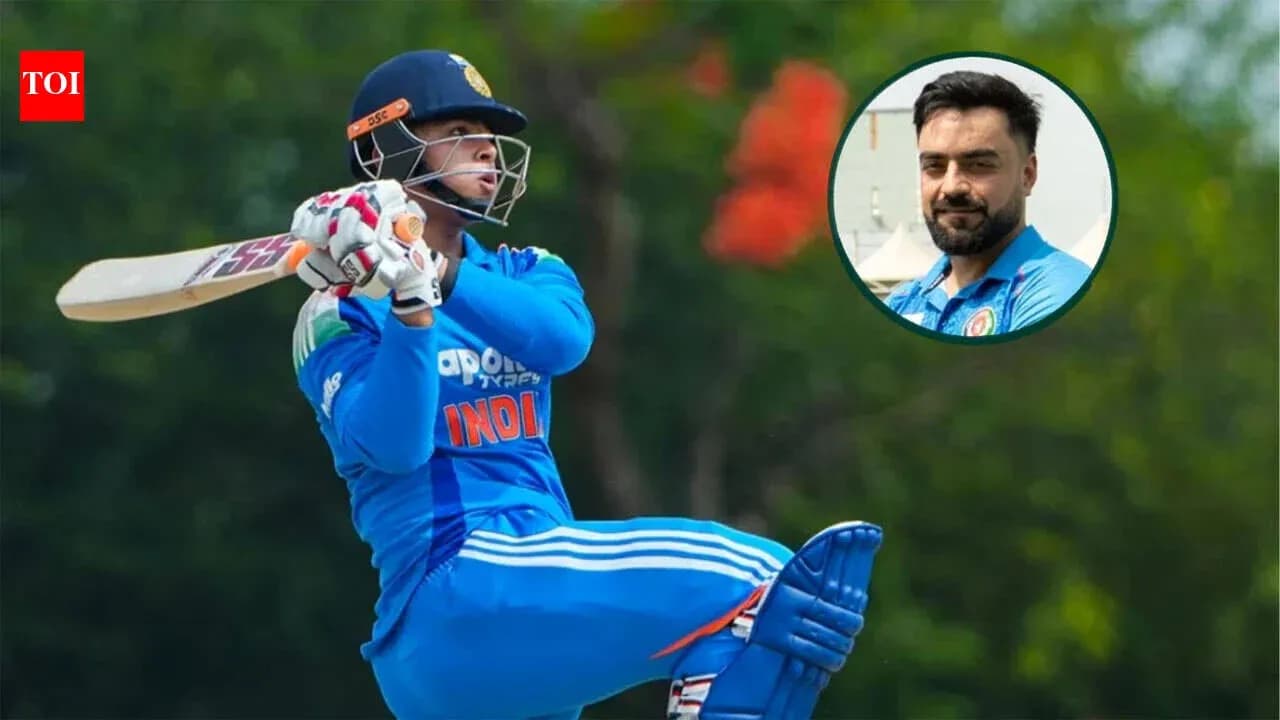
Into this swirling mess of “not one dickhead” comes the most combustible presence of all. Kevin Pietersen is back in the England dressing room, appointed as white‑ball mentor for a three‑month sprint that starts on Tuesday at the Utilita Bowl.
Daddy’s home.
The problem with “no dickheads”
The no‑dickheads policy has always sounded neat in a PowerPoint deck, less so in real life. Who decides who qualifies? On any normal scale, most elite athletes would be in contention. You don’t reach the top of a sport by being gentle, endlessly reasonable and content with your lot.
The ones who make it are obsessive. Hypercompetitive. Capable of burying their emotions or detonating them on demand. They are, by most workplace standards, a nightmare. And they’re the ones you build teams around.
Enoka’s actual definition is narrower: don’t be a dickhead to your teammates. Don’t poison the room. It’s a concept that fits neatly in rugby, where 15 bodies move as one. Cricket has always been different – an individual sport dressed up as a team game. You don’t have to like each other. You just have to make runs and take wickets. Team spirit is the gloss on the numbers.
Nobody illustrates this better than Pietersen. He is the archetype. King Dickhead. The skunk‑striped disruptor who helped topple two regimes, including his own. Yet on runs, average, strike rate and sheer shock value, he stands as England’s greatest all‑format batter.
He didn’t just pad his stats. He changed matches, series, eras. The Ashes. A T20 World Cup. For a decade, he was the sharp end of the most dynamic England side of the modern age. If that’s what a dickhead looks like, most selectors would mainline it.
So yes, welcome back, Kev. It feels right, even if it probably won’t end his secondary career as a YouTuber, dancing for clicks with Indian kids, chasing the algorithm’s affection. Pietersen loves an audience. He always has. At times it feels like the only logical destination is him halfway up Big Ben in a Spider‑Man suit, waving at a drone.
KP as content, and as warning
On paper, coaching roles should be handed out on coaching merit alone. In reality, cricket needs oxygen. It needs noise. It needs something – someone – that cuts through the flat hum of bilateral white‑ball series.
England are about to play six fairly forgettable games in 14 days. With Pietersen in the room, those fixtures come loaded with old ghosts and highlight reels. The Oval, where he carved Brett Lee for that feral 153 that helped redraw English batting. Leeds, scene of one of the great rage‑hundreds against South Africa, all adrenaline and spite. Cardiff, where he unveiled the paddle sweep of doom in 2009 and triggered days of back‑page fury.
This is theatre, but it’s not only that. Pietersen should never have been left to roam the edges of the game, trading on his name in the content badlands. The most influential English cricketer of his era ought to be an asset, not an afterthought.
He was never a head prefect in the Strauss‑Cook mould. Those two felt like throwbacks, guardians of an older, safer vision of English cricket. Pietersen, for all the chaos, saw where the sport was heading. And he paid for it.
He was right about batting. Right about franchise cricket. Right about the direction of travel. When Andrew Strauss ushered him towards retirement with a sermon about “trust”, he framed it as a moral choice. Years on, that speech feels like a relic. Whose version of the game do you trust now?
The original Bazball
Strip away the slogans and Pietersen was doing Bazball before Bazball. KP‑ball had teeth. It came with results, not just vibes. It arrived at a time when taking those risks really did feel revolutionary.
Nobody in that era hit like he did. Nobody so brazenly reimagined what Test batting could be. He was the punk in Trafalgar Square, the lightning hands, the reverse‑swept six off Muttiah Muralitharan that hijacked the news cycle. That was the product English cricket should have sold to the country.
Instead, the game slid off free‑to‑air TV and shrank itself. Pietersen never became the national figure he might have been – a cricketing Beckham, a Botham for the digital age, an Alison Hammond‑level mainstream presence. He ended up a sideshow, not the show.
So here he is again, creeping back as Baz’s bagman.
What does a mentor do when the mentees are millionaires?
The job title is a curious one. The original Mentor – capital M – was the caretaker of Telemachus in the Odyssey, a wise adult guiding a boy through a world of gods and monsters. Today’s England white‑ball squad is full of men who own houses on three continents and know exactly how many zeros sit on their next franchise deal.
Yet Pietersen fits the role more naturally than you might think. As a player he gravitated towards the younger guys, partly because he clashed with the senior ones, partly because he recognised raw talent when he saw it. He understands the urge to break the mould, to hit the ball where the coaching manual says you shouldn’t.
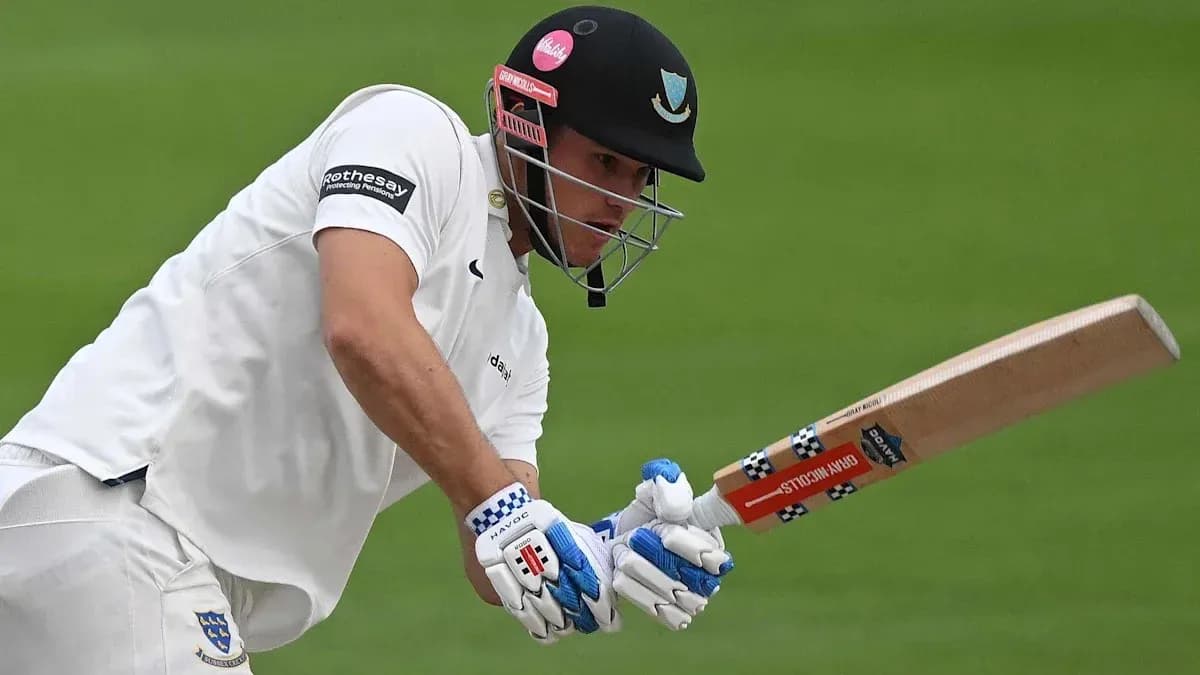
The idea of KP working closely with someone like Aneurin Donald – another late bloomer with fast hands and a taste for risk – is genuinely tantalising. That is where he can add value: not in speeches about “values” but in the private, technical, obsessive space where elite batting lives.
And this is where he diverges sharply from the man who brought him back.
McCullum sells serenity. Vibes, coolness, golf. His Sky masterclasses are essentially a bloke asking for tennis balls and belting them wherever he pleases. “You throw it there, I hit it there. Throw another one, I hit it there.” It’s charming, easy, very Baz.
Pietersen, by contrast, is a batting nerd. He lives for the angles, the grip tweaks, the backswing arguments. In his TV sessions he talks about feet versus head position, about tearing up the MCC handbook, about rebuilding his game with a personal coach when bowlers worked him out. One of these approaches feels elite, almost obsessive. The other is a guy hitting tennis balls.
Maybe that’s McCullum’s last great trick. For all his charisma, his record as a Test coach doesn’t scream long‑term plan. Yet he has opened the door for a man who might just point English cricket towards a different future, one less reliant on “vibes” and more grounded in ruthless, technical excellence.
If Pietersen’s return nudges England towards that realisation – that some so‑called dickheads are exactly the people you need – then McCullum’s greatest contribution might be to usher in the man who eventually makes him obsolete.