.svg&w=384&q=75 "logo")
Joe Root Reflects on England's Chaotic Test Summer
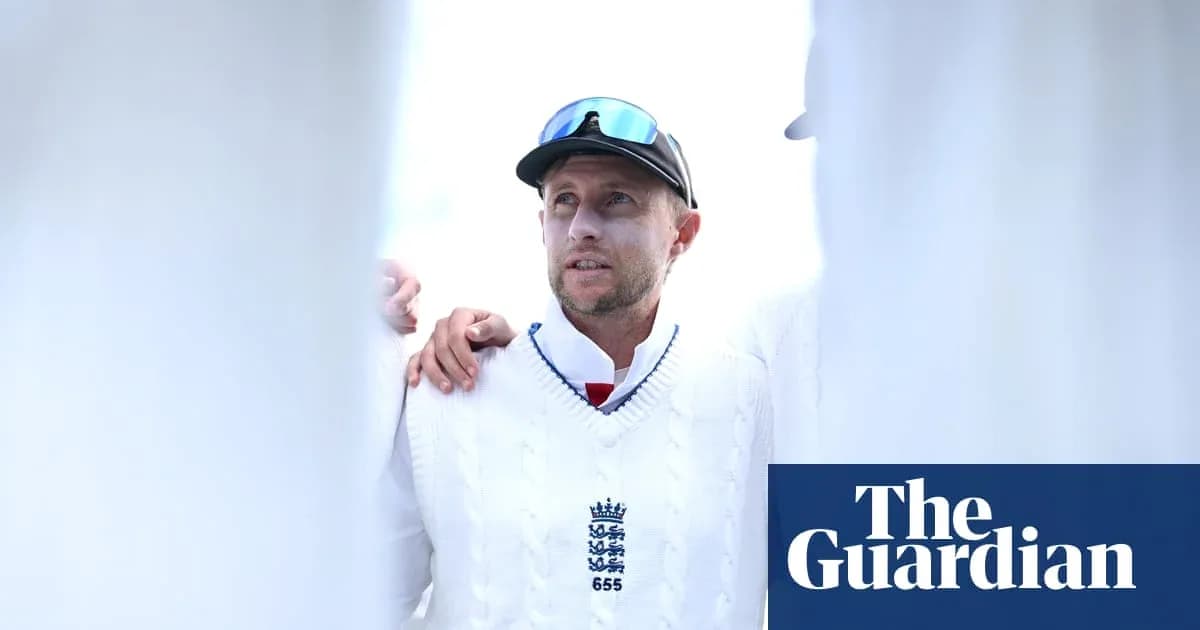
Joe Root sat back and sifted through England’s Test summer, calling it “chaos”, “unusual” and “unsettling”. The first example he reached for said everything: Ben Stokes walking away from international cricket mid-match, mid-series, while Trent Bridge still crackled around him.
Cricket has seen mid-game farewells before. Heather Knight followed suit at Lord’s in the women’s Test a fortnight later. Root, loyal to a fault, was never going to publicly question whether Stokes’s dramatic exit entirely chimed with his old demand for “selfless cricketers”. But that week was when England truly bottomed out: their first home series defeat in a three-Test (or more) campaign for 14 years, New Zealand players laughing in their faces as the final moments slipped away.
The emotion around Stokes had to be drained before anything could really change. Once it became clear that Bazball’s stigma would cling to them until Brendon McCullum was removed as Test head coach, England finally began to settle. Even then, the image of Brydon Carse in handcuffs in Derby, with Stokes hovering in the background, underlined how jagged the edges of this new era remain.
They also discovered what it feels like to win and still share the stage with the losers. New Zealand in June knew that feeling. So did Australia during the last Ashes. This time it was Pakistan hogging the spotlight, largely thanks to a 21-year-old called Razaullah. His astonishing 81 at Edgbaston, a blur of clean striking that matched south Birmingham’s taste for surprise fireworks, rightly dominated the headlines.
Yet Pakistan were something else entirely: a reminder that dysfunction comes in grades. England’s off-field scrapes – arguments with Saracens players, a disputed curfew – looked tame next to a touring side that sent seven players home, dismissed both head coach and bowling coach, confiscated phones and dragged a harsh light over a government-run board apparently happier if no one mentions the treatment of the country’s greatest captain. Saj Sadiq, the PakPassion.net editor who has watched Pakistan cricket’s soap opera for years, did not sugarcoat it: “As an entire series, this has been the most embarrassing and difficult to watch. On and off the field Pakistan have been an absolute shambles.”
So no, this was not a wasted summer for England, even if the opposition often folded. Stephen Fleming, who only arrives in the UK this week, will already have a notebook full of observations from his long-distance view, catching up on highlights over breakfast in Canterbury. The New Zealander inherits a side with scars, but also with pieces starting to fall into place.
Fast bowling, for one, looks stocked with promise. Ollie Robinson has returned with bite, rediscovering the heavy-ball menace that once made him unplayable. Jofra Archer, crucially, still wants Test cricket even without Stokes alongside him, a significant psychological marker for a player whose body has been through so much. Josh Tongue has toughened up, his frame and rhythm now resembling a genuine long-format weapon. Gus Atkinson’s numbers dipped after the Rex Rooms incident and a shift in role, yet this was also the fastest he has bowled across a season. England’s quiet man found a new gear.
The caveats sit in plain sight. The ball lorded it over the bat all summer: a wicket every 41 deliveries, the lowest strike-rate in England since the 1880s. Pakistan’s batting line-up offered all the resistance of wet paper. When conditions finally tilted towards the bat – a good Edgbaston surface and a ball that turned soft after a damp evening – England’s attack lost its teeth and laboured for wickets.
Root’s familiar nightmares against the tail resurfaced. Razaullah’s carnage at Edgbaston was the headline example, but the Oval in June, when Root deputised for Stokes, carried a similar sting. Marcus Trescothick, the interim head coach against Pakistan and unsure where he fits once Fleming lands, sees a natural partnership there: Root’s instincts sharpened by a coach famed for his tactical clarity, a captain who became one of the most decorated leaders in the furnace of the Indian Premier League.
Beneath the frontline quicks, though, the depth chart still looks thin as thoughts drift towards South Africa in December. One strong view is that Olly Stone’s late-season form for Nottinghamshire should nudge him ahead of the younger hopefuls waiting in line. And the spinner question refuses to go away. England continue without a genuine, nailed-on frontline option. Fleming, shaped by his years alongside Daniel Vettori, may crave a similar multifunctional cricketer. Liam Patterson-White fits that mould and will surely come under serious consideration.
Fleming’s own journey with the bat could matter just as much. England’s top order produced 23 half-centuries this summer but only one man, Ben Duckett, converted into three figures. Fleming once churned out 10 fifties before finally cracking his first Test hundred. He knows the mental grind of that barrier, which may help ease the burden Dan Lawrence keeps visibly loading onto his own shoulders.
Every side talks about stability, about a settled XI. Fleming might welcome something different: real tension for places. Jacob Bethell’s return to fitness will force an awkward call. Emilio Gay, likely to tour but already prompting questions about his ceiling, looks the most exposed among the current starters. If he makes way, England will need to manufacture an opener to stand alongside Duckett.
That, in itself, is a puzzle. Duckett’s 113 at Trent Bridge stands out, but beyond that he has looked caught between the old Bazball licence and a more measured brief. Jordan Cox may be the man asked to go up top. Given that the No 3 did not appear before the ninth over at any stage against Pakistan, it is hardly a radical reshaping of his job.
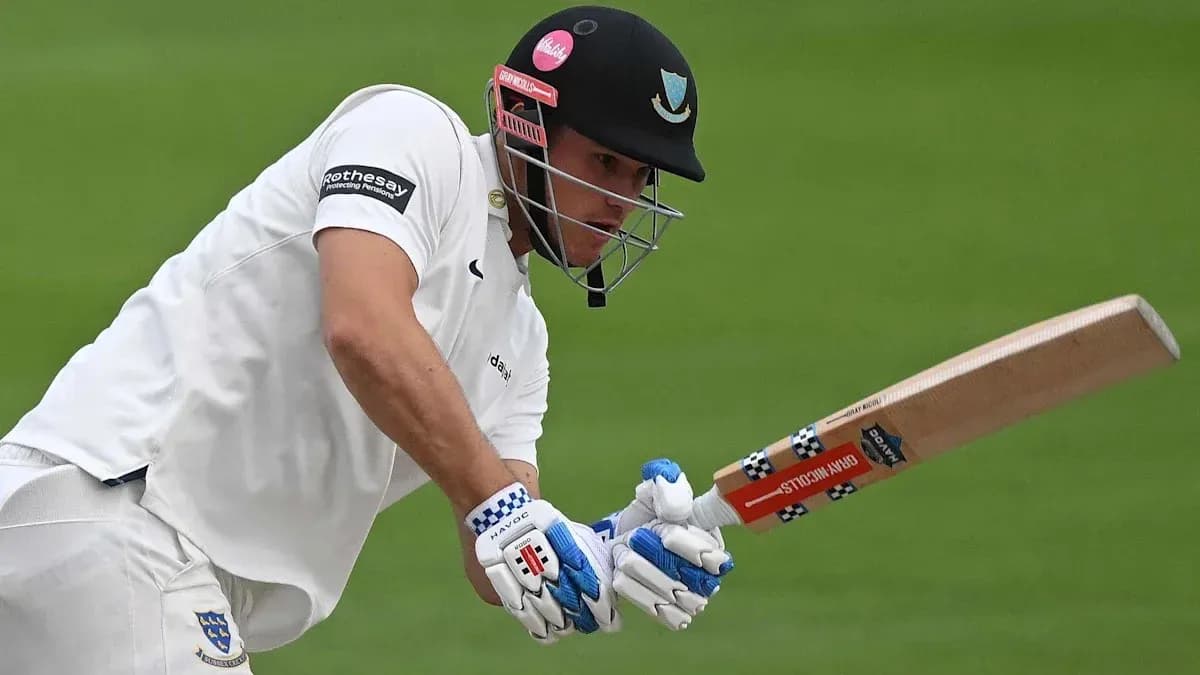
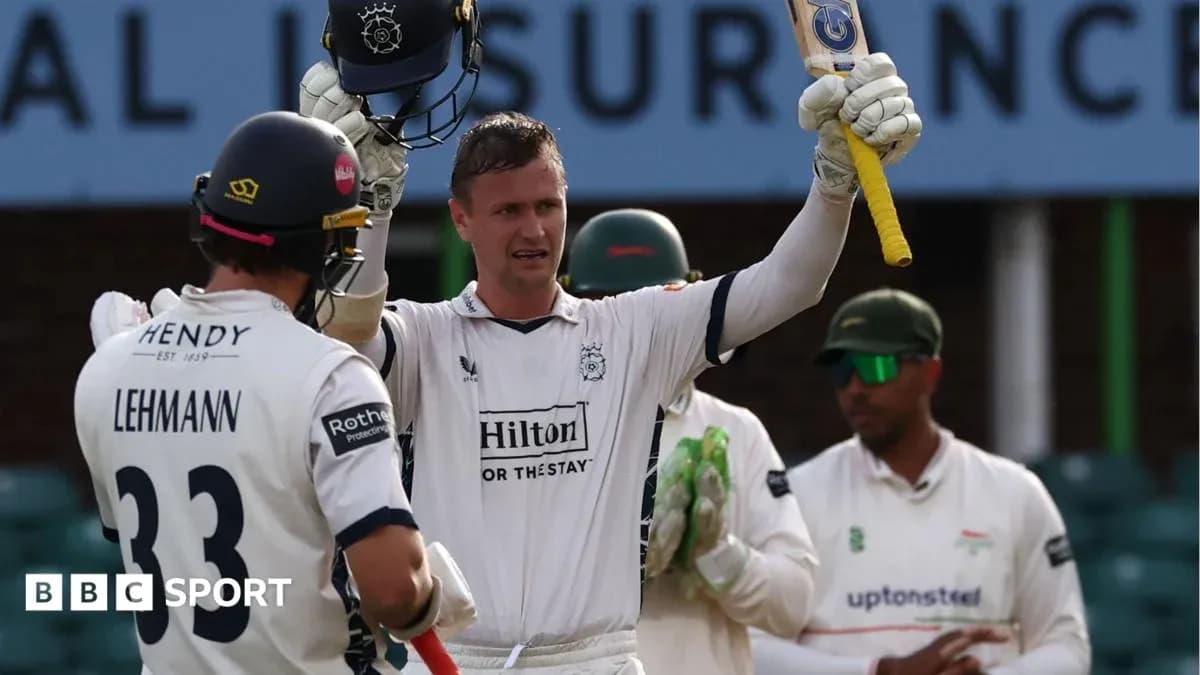
Cox, like Lawrence, never quite landed the defining innings he wanted, finishing with three half-centuries. Yet he left a mark. There was a presence at the crease, almost cocksure, that Root himself acknowledged: “I didn’t really know what to make of him when I first met him.” Cox has openly admitted he is trying to outdo Root – a bold ambition when the benchmark is more than 14,000 Test runs, even in one of the captain’s quieter summers.
But that, perhaps, is the point of this new England. Post-Stokes, this side cannot lean on a single, combustible force to drag them through sessions. They will look instead to Root not as a superhero but as the understated standard: a captain whose method, not his aura, shows what it takes to live and last in Test cricket.