.svg&w=384&q=75 "logo")
India Wins Asia Cup 2026: A Political Standoff at the Trophy Presentation
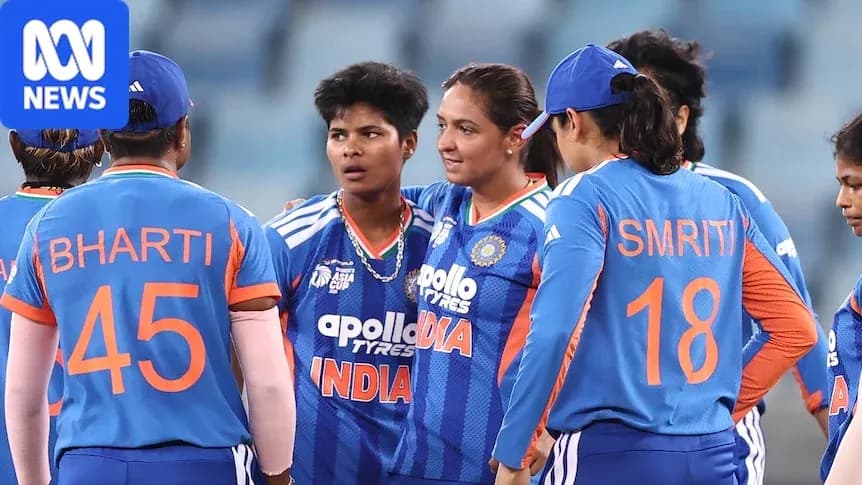
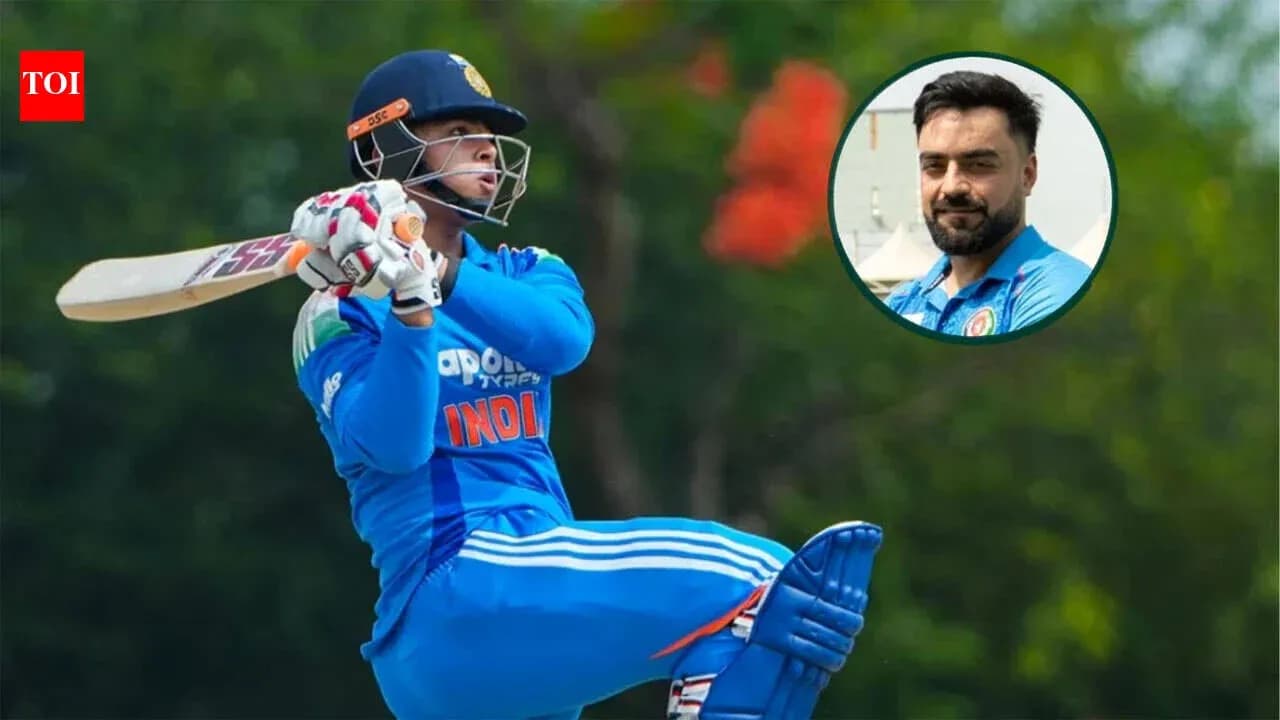
Politics once again stepped onto cricket’s centre stage in Dubai, where India’s women sealed an eighth Asia Cup crown – and then refused to collect the trophy from Asian Cricket Council chairman Mohsin Naqvi.
They had dominated the cricket. The statement came later.
India ruthless on the field
On the pitch, the final itself was brutally straightforward. India won the toss, batted, and imposed themselves from ball one. The top order set the tone, the middle order kept the tempo high, and the scoreboard swelled to 5-183 from 20 overs – a total that always looked beyond Sri Lanka in a pressure game.
The reply never truly ignited. India’s bowlers hunted in a pack, squeezing Sri Lanka out of the contest and rolling them for 111 in their full quota of overs. A 72‑run victory in a regional final is a thrashing by any measure, and it underlined India’s grip on this competition: eight titles, a record, and a gulf in quality that showed again in Dubai.
Ordinarily, the story would have ended with a lap of honour and a routine presentation. Instead, the real drama began after the last wicket fell.
A ceremony without champions
The post-match formalities stalled. The presentation ceremony, usually a slick, almost automatic ritual, was delayed by nearly an hour. During that wait, India quietly staged a ceremony of their own.
On the outfield, away from the official dais, Board of Control for Cricket in India (BCCI) secretary Devajit Saikia stepped in to present the best fielder medal to Nandani Sharma. It was a small moment, but it carried weight: India were making it clear they would celebrate on their own terms.
Up on the stage, Mohsin Naqvi – chairman of the Pakistan Cricket Board, head of the ACC, and Pakistan’s interior minister – stood ready with other ACC officials. The script called for India’s players to walk up, accept their medals, and lift the trophy from his hands.
They never came.
Social media footage captured the disconnect in stark images: Naqvi and officials waiting on the dais, medals and trophy prepared, while the Indian team headed off the field. No handshakes. No medals. No trophy lift.
The ceremony limped on without the champions. Medals went to the Sri Lankan players and to the match officials, and Naqvi handed the runners‑up cheque to Sri Lanka captain Chamari Athapaththu. Then it was over. No crowning moment for the winners. Just an abrupt end to a final that had been one-sided on the field and deeply charged off it.
“Trophy or no trophy doesn’t matter”
India coach Amol Muzumdar, asked about the stand-off, pointed straight to the BCCI’s position.
“This is BCCI's stand [to not take trophy from Naqvi]. We can't say anything on this,” he said.
“India are officially the champions. Trophy or no trophy doesn't matter to us.
“For us, this tournament is over, we are the champions. That's good enough. It was on the big board that India are the champions of Asia Cup 2026.”
The message was blunt. Recognition on the scoreboard, not a handshake on the stage, was all India wanted from the night.
A pattern, not an isolated flashpoint
This was not a one-off flash of defiance. It is the latest act in a hardening stance that mirrors the deteriorating political climate between India and Pakistan, where cross‑border tensions brought the neighbours to the brink of war last year.
That hostility has seeped deep into cricketing protocol. Indian players have repeatedly avoided handshakes with Pakistan counterparts. At multiple tournaments, they have refused to accept trophies and medals from Pakistani officials.
The men’s Asia Cup told the same story. India beat Pakistan three times in that tournament, including the final under Suryakumar Yadav’s captaincy. Each time, the cricket spoke loudly; each time, the post‑match scenes spoke louder. Yadav’s team would not take the trophy from Naqvi and declined to shake hands with Pakistan players after any of the three encounters.
The women followed that line earlier in this Asia Cup as well. They did not shake hands with Pakistan after their group match, and Muzumdar was unequivocal then too: “That stand has been taken by BCCI and we stand by it.”
A rivalry with no neutral ground
Cricket between India and Pakistan has long been freighted with meaning, but this is something different. This is not just about who wins a contest or who holds bragging rights over a neighbour. It is about who they will stand alongside, who they will acknowledge, and who they will refuse.
In Dubai, India’s women crushed Sri Lanka to become champions of Asia yet again. They left the trophy on the table and walked away. The scoreboard confirmed their supremacy. The empty podium confirmed their resolve.
The runs and wickets will go into the record books. The image of a waiting chairman and an absent champion side will linger far longer – and the question now is how much further this fault line between cricket and politics is prepared to crack the game’s most charged rivalry.