.svg&w=384&q=75 "logo")
ESPN's Credibility Crisis After NBA's Clippers Ruling
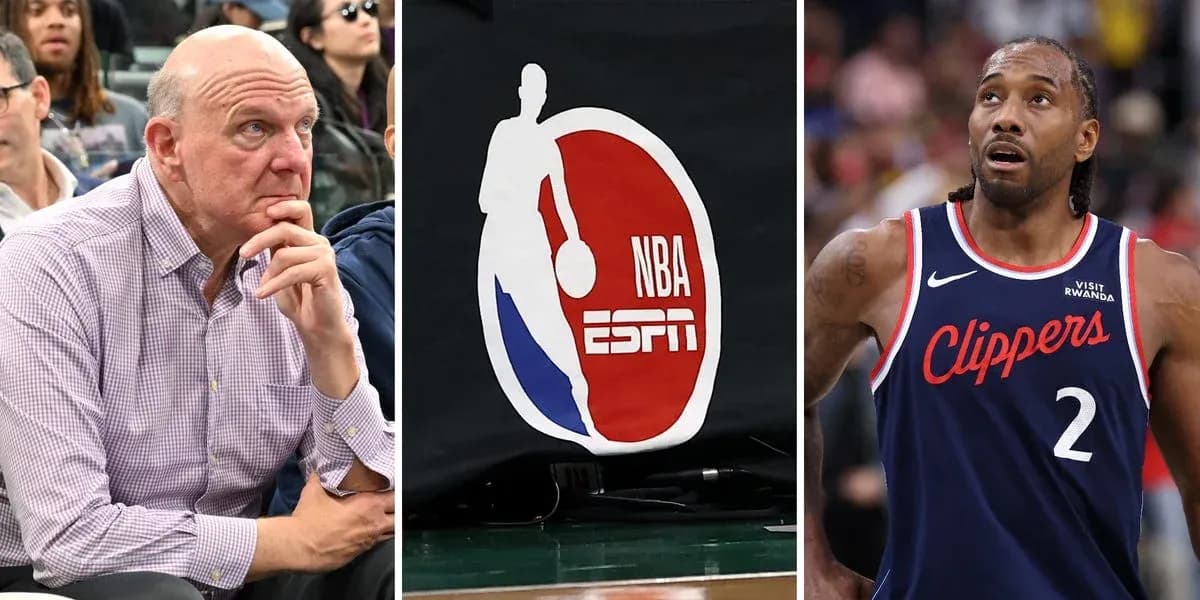
The NBA’s hammer blow to the Los Angeles Clippers hasn’t just rattled one franchise. It’s landed squarely on ESPN’s reputation.
What began as a salary-cap investigation into Steve Ballmer’s team has morphed into a public test of how the self-styled “Worldwide Leader in Sports” covers the leagues it depends on. The league’s landmark ruling against the Clippers for cap circumvention has, in the space of a few days, turned a media framing battle into a credibility crisis.
A narrative that aged badly
On August 17, ESPN published a story that leaned heavily on three unnamed sources. Those sources insisted the NBA had “no evidence” that Ballmer funneled money through team sponsors to pay Kawhi Leonard. One anonymous voice went further, dismissing the idea that sponsor introductions could be seen as cap circumvention as “dead on arrival.”
That piece did more than report a development. It helped set the storyline.
On one side: ESPN, with its anonymous sourcing and a tone that suggested the Clippers were unlikely to face serious punishment. On the other: Pablo Torre, the former ESPN journalist whose Pulitzer-winning investigation detailed Leonard’s ties to Clippers sponsors and raised exactly the red flags the league has now confirmed.
Online, the clash was distilled into a simple tag: “ESPN vs Pablo.”
Then the NBA spoke.
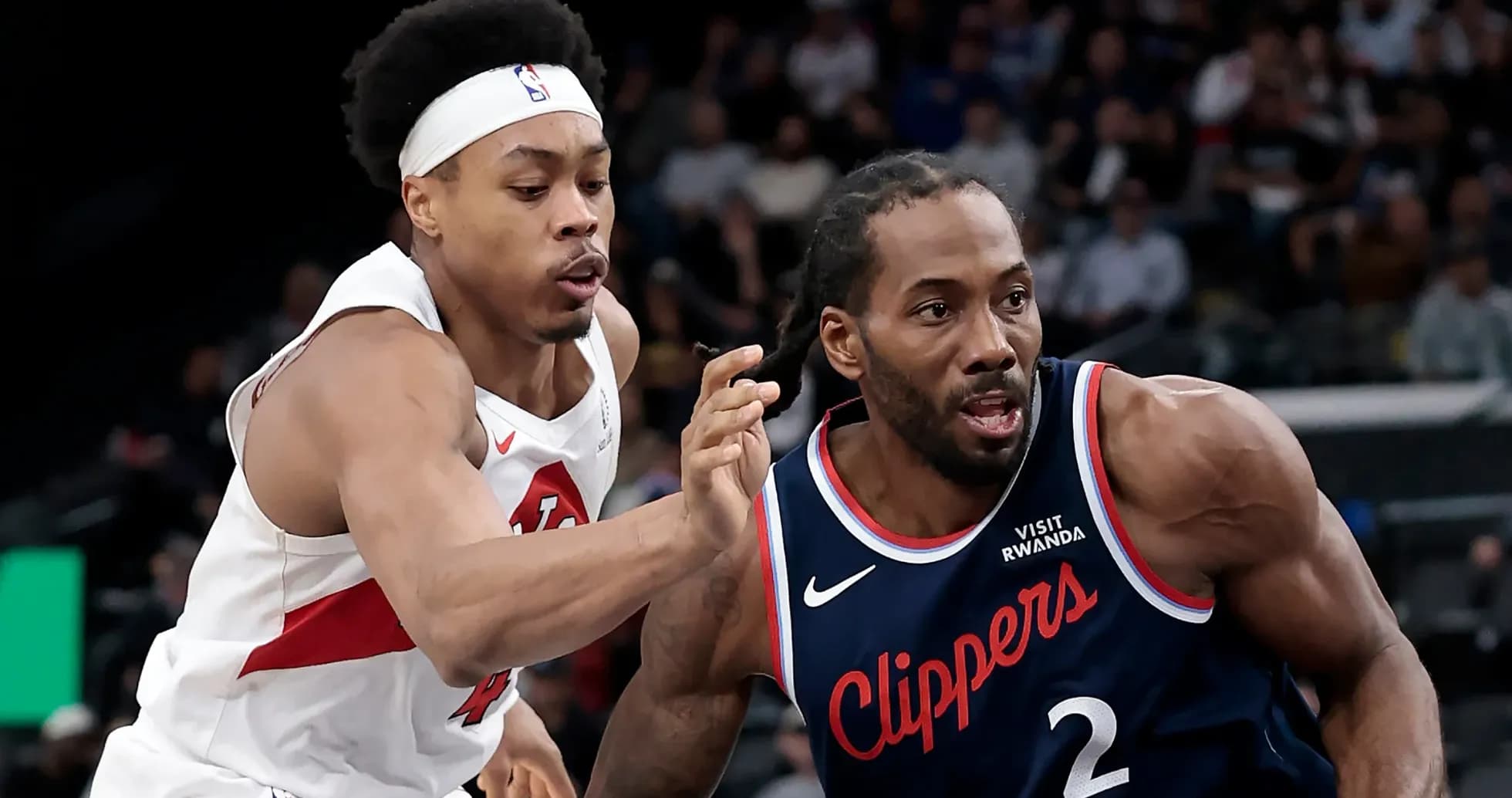
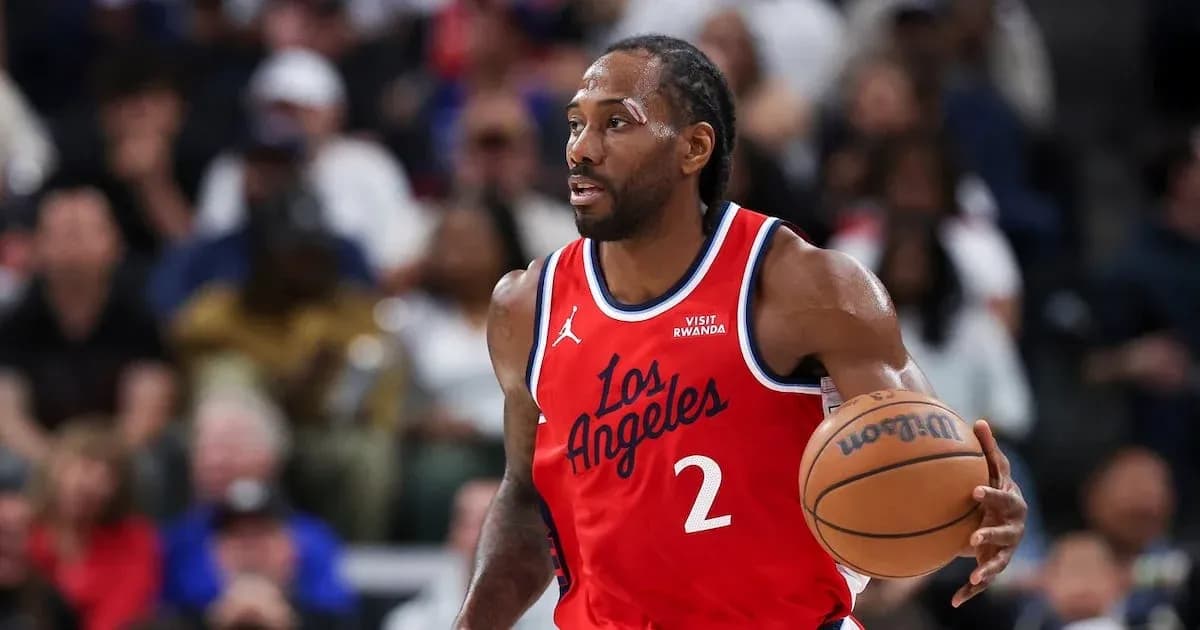
After a nearly yearlong investigation, commissioner Adam Silver announced that the league had found the Clippers and Ballmer violated rules by facilitating sponsorship deals with Leonard. The punishment was historic: a $30 million fine for the team, a $700,000 fine for Leonard, and a one-year suspension for Ballmer from league activities.
The Clippers fired back, calling the findings “the result of a heavily biased investigation” and saying they “vehemently reject” the league’s conclusions. Leonard, in contrast, acknowledged in a statement that he accepts “full responsibility for lapses in judgment by people within my inner circle.”
Whatever the legal and procedural arguments to come, one thing was clear: the NBA’s findings lined up with Torre’s reporting, not ESPN’s framing.
When “technically accurate” isn’t enough
ESPN has not issued corrections to its August story. On a word-for-word level, media pros concede the network may be able to defend the piece. The problem lies in how it steered the audience.
“While it might be accurate in the wording, the substance of the story was very misleading,” said Brian McWilliams, VP at LA-based firm Spelling Communications.
The article strongly implied that the Clippers were in the clear, just weeks before Silver imposed the biggest penalty of its kind in league history. Fans read that, then watched the league drop the hammer. The gap between expectation and reality has now become ESPN’s headache.
McWilliams warned that the sports giant could “risk a lot of damage to the brand,” noting that “fans see the outcome, which is starkly in contrast with ESPN’s reporting.”
For a company betting its future on direct-to-consumer streaming and its bond with viewers across TV and social media, that disconnect cuts deep. If fans start to believe ESPN soft-pedals coverage of powerful owners or partner leagues, the core promise of independent journalism begins to fray.
“The audience just needs an explanation,” said New York-based brand and communications consultant Sam Gauchier.
So far, they haven’t received one. An ESPN spokesperson said the company stands by its mid-August Clippers story and declined further comment.
The league pushes back
The NBA signaled its frustration early.
ESPN’s August 17 story noted that the league had not responded before publication. Not long after, NBA spokesman Mike Bass took to social media and blasted the piece, saying it “contains numerous and significant inaccuracies” that would “be made clear once the investigation is concluded.”
The conclusion is now public. The inaccuracies, in the league’s view, are too.
That clash over basic facts has amplified questions about how ESPN handled Torre’s work. The August story referenced parts of his reporting but did not include a statement from him, despite the fact that Torre says he provided one. He said on Thursday that he told ESPN he stood by his reporting and was eager to see the NBA’s findings. The network did not publish his comment.
Once the league confirmed his central claims, Torre took to his own platforms to underline the point. His reporting had been validated. ESPN’s had been undercut.
For ESPN’s PR team, the task now is not just defending technical accuracy but proving the outlet still meets what Bradley Akubuiro of Bully Pulpit International called “the overall expectation of truth that their readers have.” In other words: Does the coverage feel honest, complete, and independent?
The access tightrope
As the dust swirled around the ruling, another ESPN moment added fuel.
On Thursday, top NBA newsbreaker Shams Charania appeared on TV and said Leonard “did not have any knowledge” of the salary-cap circumvention. Seconds later, he noted that Leonard “pocketed tens of millions of dollars” from Clippers sponsors.
The juxtaposition was jarring. Torre quickly responded on X, posting a screenshot of Leonard’s signature on a purported contract with former Clippers sponsor Aspiration Partners, a visual counterpunch to the idea of total ignorance.
The exchange highlighted a pressure point that has long hovered over big-name insiders. Reporters like Charania, whose careers are built on being first with trades and signings, depend on relationships with agents, executives, and league offices. That access can vanish in a heartbeat.
McWilliams put it bluntly: insiders walk “a very fine line between wanting to be first, wanting to be accurate, and also wanting to maintain access, which can be revoked.”
In the Clippers saga, that line is now under a microscope. Fans are not just asking what ESPN knew and when. They’re asking who benefits from the way stories are framed.
Trust on the line
ESPN’s power rests on two pillars: its rights deals and its audience’s belief that, even with billions tied up in those deals, its journalism still has teeth.
The Clippers ruling has turned that belief into an open question. A marquee franchise, a tech billionaire owner, a global superstar, a record-setting penalty, a Pulitzer-winning rival, and a league that publicly flagged “significant inaccuracies” before proving its case — all of it now sits alongside a single August story that told viewers, in effect, not to expect much.
The NBA has rendered its verdict on the Clippers. The public is now quietly weighing its own on ESPN.