.svg&w=384&q=75 "logo")
Steve Ballmer Accepts NBA's Punishment in Kawhi Leonard Scandal
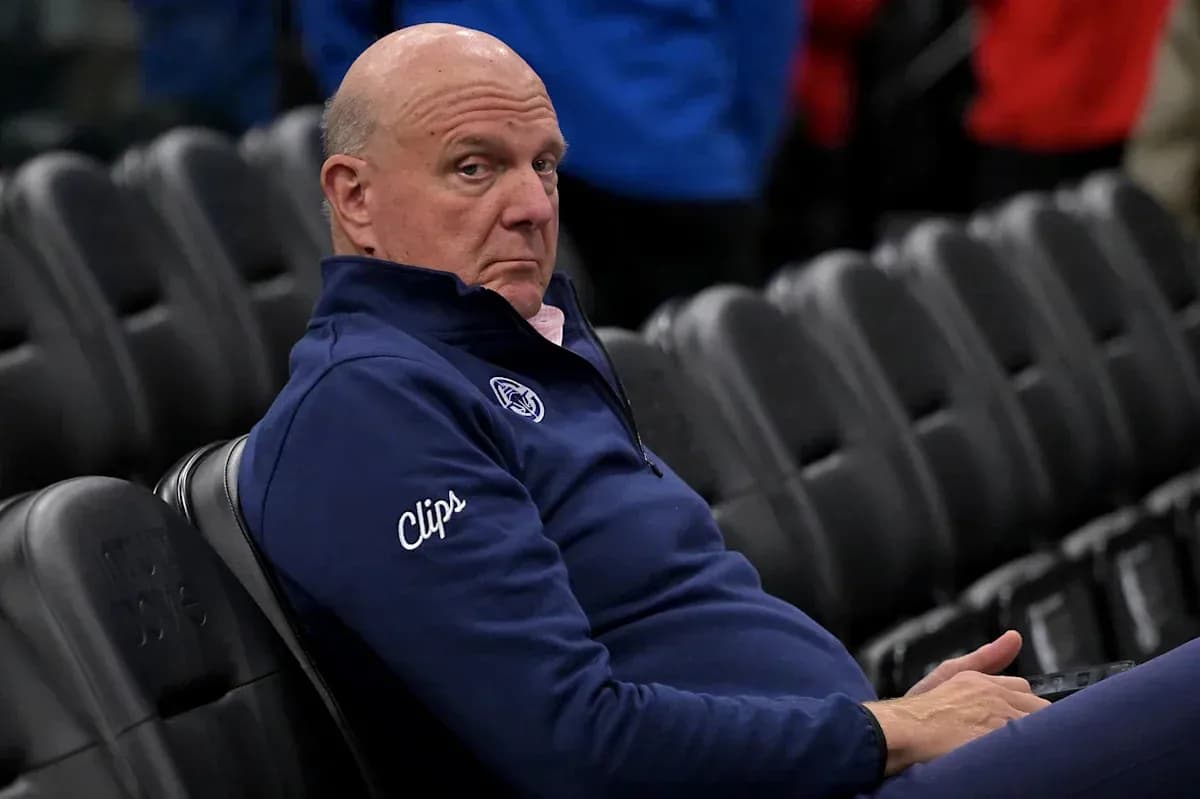
Steve Ballmer spent weeks vowing to fight. On Sunday night, he surrendered.
The Los Angeles Clippers owner, hit with one of the stiffest punishment packages the NBA has handed down in a salary-cap case, has decided he will not challenge the league over its findings in the Kawhi Leonard scandal. The fine is paid. The ban stands. The draft picks are gone.
And Ballmer, at least publicly, is done swinging.
“This has been a very difficult time for everybody associated with the Clippers, and for that, I have sincere regrets,” Ballmer said in a statement. He apologized to fans, employees and fellow owners, and accepted responsibility “as principal owner,” even while making clear he still disagrees with parts of the league’s report.
The tone was a sharp turn from the defiant language that had defined the Clippers’ stance since the investigation went public.
From “witch hunt” to compliance
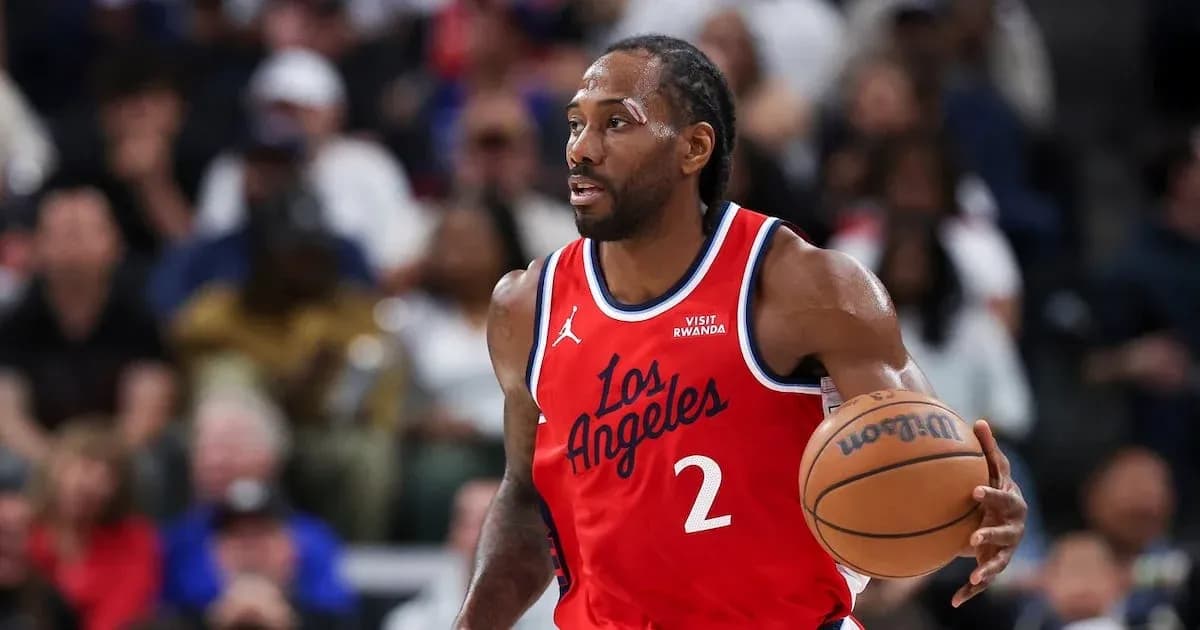
The NBA’s 35-page report concluded that the Clippers and Leonard circumvented the salary cap through arrangements with third-party companies, deals first exposed by a Pulitzer Prize-winning investigation from the “Pablo Torre Finds Out” podcast.
The cost of those findings was severe:
- Five first-round draft picks stripped from the Clippers
- A $30 million fine for Ballmer
- A one-year ban for Ballmer from “all league and team activities”
- A $700,000 fine for Leonard
- Penalties for additional Clippers employees
The league has precedent for softening sanctions when ownership accepts blame. In the 2000 Joe Smith case, the NBA eventually returned two of the five first-round picks it had taken from the Minnesota Timberwolves after the team’s leadership acknowledged responsibility for cap violations. That history now hangs over Ballmer’s decision to stop fighting and comply.
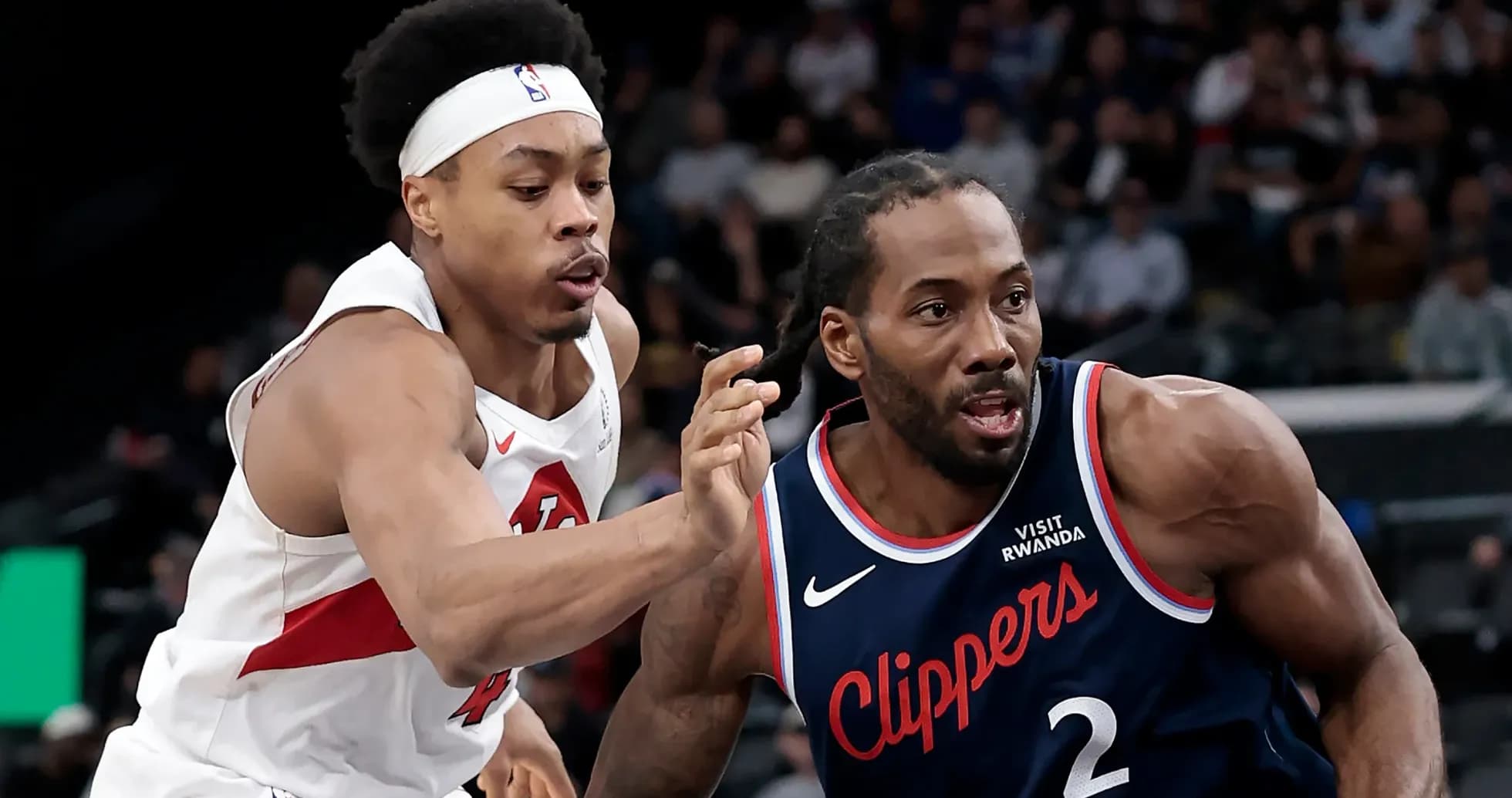
Ballmer’s new posture could also clear the way for the Clippers to finalize their trade sending Leonard to the Toronto Raptors, a deal that had been tangled in the ongoing dispute with the league.
Not long ago, that kind of cooperation seemed unthinkable.
When the NBA released its findings, the Clippers blasted the report as “heavily biased” and labeled the process a “witch hunt” in a letter to commissioner Adam Silver. The organization said it “vehemently” rejected the conclusions and accused the league of fundamental unfairness.
The letter claimed Ballmer had spent nearly $50 million to fund the independent investigation and argued his reputation had been “irreparably damaged” by the outcome. It called the probe “flawed from the outset” and condemned the decision to issue the report without prior notice to the team or its counsel as “inexcusable.”
“This type of witch hunt flies in the face of fundamental fairness and the integrity of the league and of this sport that we all love,” the letter read, promising to explore “every legal remedy” to address what the team called a “gross injustice.”
That legal war never truly materialized.
No way out
Once the dust settled, the Clippers’ path to overturning the sanctions looked almost nonexistent.
The NBA’s report stated the discipline was agreed upon with the players’ union and is “final and binding on all parties.” The league’s bylaws offer no formal appeal route for this type of case. On top of that, the report detailed what the NBA described as concrete evidence that the Clippers facilitated third-party dealings between Leonard and vendors, and that they “induced the companies to enter into these agreements by offering them business from the team.”
The league, in its view, had the receipts. The union had signed off. The bylaws boxed the team in.
With no clear escape hatch and the investigation already spilling into public view, the calculus changed. The longer Ballmer fought, the more the story lingered, with no obvious upside.
So he stopped.
“We have communicated to the NBA that we are complying with the penalties assessed by the league, have paid the fine, and are moving forward,” Ballmer said. “While there are still disagreements concerning the findings in the report, this is not where I want to focus. Team owners should support, not distract.”
A costly reset
For the Clippers, the damage is real and long-term. The loss of multiple first-round picks will shadow the franchise’s roster-building efforts for years. The owner who has defined the team’s aggressive, big-spending era will be barred from “all league and team activities” for a full year. Leonard, central to the entire saga, has taken his own financial hit.
Ballmer, though, framed the moment as a reset rather than a retreat.
“The challenges ahead of us are significant, but so is our resolve,” he said. He pledged to “continue to build our team and invest in our community,” and pointed to the Clippers’ “talented roster, outstanding staff and clear vision” as reasons he remains certain they will “compete at the highest level” and be “an organization our fans can be proud of.”
The fight with the league is over. The punishment is not. Ballmer won’t be in the room for the next phase of the Clippers’ evolution.
The question now is simple: after a scandal this expensive and a sanction this heavy, how quickly can this franchise convince the rest of the league — and its own fans — that it really has turned the page?