Australia’s Bowling Quartet: Pat Cummins, Josh Hazlewood, Nathan Lyon, and Mitchell Starc Break New Ground in Test Cricket
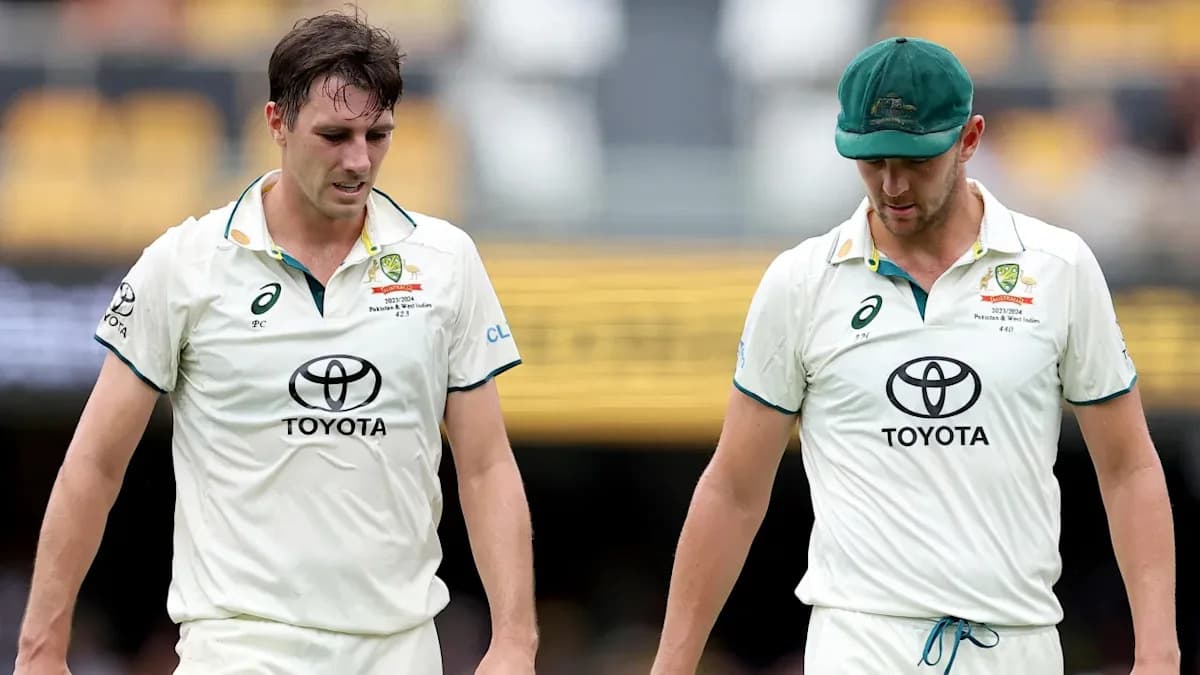
Australia's Bowling Quartet Sets a New Benchmark in Test Cricket
Pat Cummins, Mitchell Starc, Josh Hazlewood, and Nathan Lyon have made history by becoming the first bowling group in Test cricket to take over 600 wickets together. Their combined tally reached 602 during a Test match in Durban against South Africa.
This achievement stands apart in cricket history as no other bowling unit has matched this feat. While the number itself is impressive, the balance of contributions from each bowler makes this quartet exceptional.
Historic Wicket Counts Among Leading Test Bowling Quartets
- Cummins, Hazlewood, Lyon, Starc (Australia): 38 Tests together, 602 wickets
- Moeen Ali, James Anderson, Stuart Broad, Ben Stokes (England): 34 Tests, 433 wickets
- Joe Root, James Anderson, Stuart Broad, Ben Stokes (England): 38 Tests, 374 wickets
- Jacques Kallis, Makhaya Ntini, Nicky Boje, Shaun Pollock (South Africa): 29 Tests, 341 wickets
- Glenn McGrath, Shane Warne, Jason Gillespie, Brett Lee (Australia): 16 Tests, 284 wickets
- Hazlewood, Starc, Mitchell Marsh, Lyon (Australia): 26 Tests, 308 wickets
- Courtney Walsh, Curtly Ambrose, Carl Hooper, Ian Bishop (West Indies): 25 Tests, 297 wickets
Sharing the Load: How Each Bowler Contributed
The four bowlers divided the workload almost equally across those 602 wickets, highlighting their consistent performances without one overshadowing the others.
- Pat Cummins leads with 158 wickets, about 26.2% of the total.
- Mitchell Starc follows closely with 155 wickets, or 25.7%.
- Josh Hazlewood holds 150 wickets, making up 24.9%.
- Nathan Lyon has taken 139 wickets, representing 23.1%.
Their styles complement each other well. Cummins attacks aggressively with pace, Starc swings left-arm deliveries with deadly yorkers, Hazlewood maintains relentless accuracy, and Lyon adds bounce and spin. This blend ensures continuous pressure on batsmen, forcing mistakes.
Performance Showcase at Kingsmead
In the recent first innings at Kingsmead, South Africa was dismissed for 284 runs in 78 overs. The Australian quartet took nine out of ten wickets:
- Pat Cummins: 3 wickets for 54 runs
- Mitchell Starc: 2 wickets for 63 runs
- Josh Hazlewood: 2 wickets for 54 runs
- Nathan Lyon: 2 wickets for 58 runs over 22 overs with an economy rate of 2.63
The only other wicket fell to Beau Webster. South African batsmen like Aiden Markram and David Bedingham scored moderately but failed to convert starts into big innings due to persistent bowling pressure.
Impact on Australia's Winning Record
The four have played together in only about 25% of Australia's Tests since Lyon's debut in 2011, a figure limited by injuries and team composition needs. Yet, the team's success rate significantly improves when all four are present.
- With all four playing: Australia’s win rate rises to 62.2%, losses drop slightly to 27%, and draws decrease sharply to 10.8%.
- When one or more are absent: Win rate falls to 53.8%, losses increase to 29.1%, and draws rise to 17.1%.
The reduction in draws suggests this quartet is effective at dismissing opponents twice in a match, reducing stalemates.
Career Test Records of the Quartet
- Pat Cummins (Right-arm fast, Captain): 73 matches, 325 wickets, bowling average 21.88, best innings 6/23
- Mitchell Starc (Left-arm fast): 98 matches, 445 wickets, bowling average 26.16, best innings 7/58
- Josh Hazlewood (Right-arm fast-medium): 76 matches, 295 wickets, bowling average 24.22, best innings 6/67
- Nathan Lyon (Right-arm off-spin): 136 matches, 571 wickets, bowling average 30.21, best innings 8/50
Longevity and Future Prospects
Though the average age of the group is rising, they continue to perform at a high level. Their durability and skill make them invaluable to Australia's Test side. The team will likely focus on managing their fitness carefully to maintain this formidable combination.
Reaching 600 wickets is just one milestone; it seems only a matter of time before they push this record even higher, setting a standard difficult for future teams to match.