.svg&w=384&q=75 "logo")
Australian Cricket Legends Urge Action on Imran Khan's Treatment
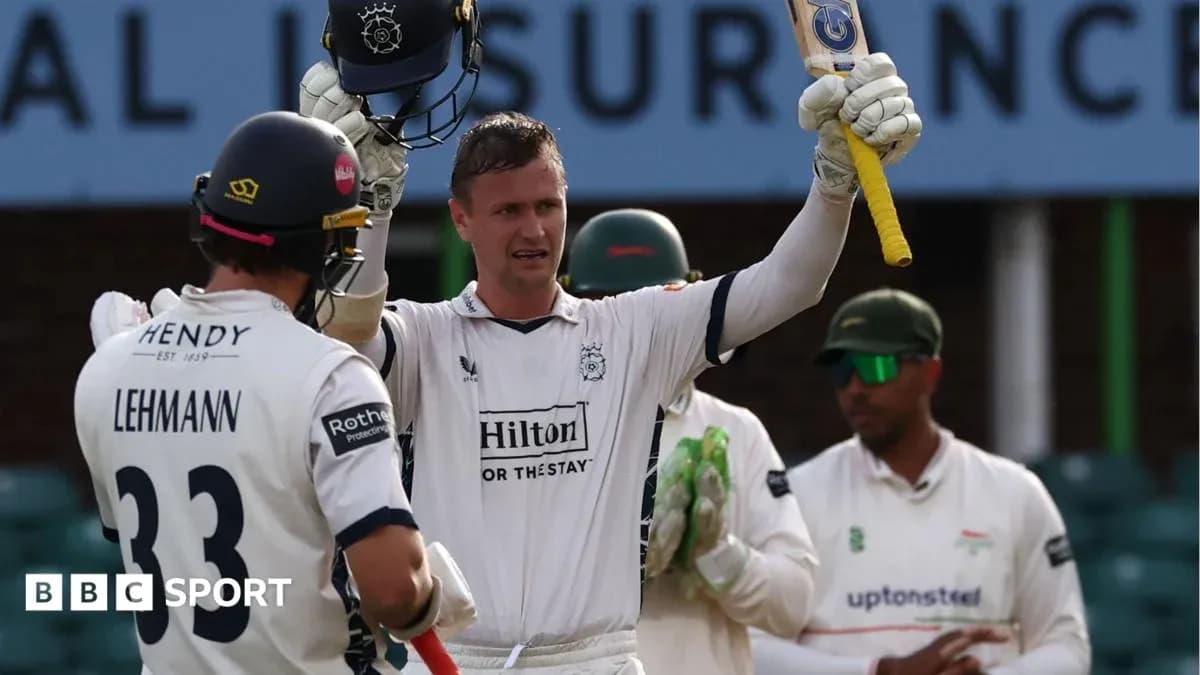
Seven of Australia’s most respected cricket captains have broken ranks with sporting convention and stepped directly into a fraught political storm, signing a letter to Foreign Minister Penny Wong over the imprisonment and treatment of Imran Khan.
Allan Border, Greg Chappell, Ian Chappell, Belinda Clark, Kim Hughes, Mark Taylor and Steve Waugh – names that define eras of Australian cricket – have jointly urged Canberra to press Pakistan on basic standards of humanity for its most famous former cricketer, now jailed opposition leader.
They stressed they were not acting as diplomats or politicians, and made no judgment on Khan’s legal battles or the corruption convictions he and his wife deny. That, they said, is for Pakistan’s own system to resolve. Their intervention focuses on something more fundamental: how any person is treated once behind bars, regardless of their politics.
The letter, reported by Dawn with details via Cricinfo, lands at a moment when Khan’s health and conditions have become a flashpoint. A spokesperson for Penny Wong, quoted by the Sydney Morning Herald, said Australia already raises Khan’s case regularly in contacts with Pakistan and continues to urge authorities to ensure he receives appropriate medical care.
Khan, 73, has been in prison since 2023. At the end of 2025 he and his wife were handed 17-year sentences on corruption charges they reject. The length of the term, the profile of the prisoner and the intensity of Pakistan’s political divide have turned his detention into a test of institutions and international scrutiny.
That pressure sharpened on August 18, when Pakistan’s Supreme Court ordered the government to move Khan within two days to the private Shifa International hospital in Islamabad. The court directed that a multidisciplinary medical commission examine and treat him, a clear sign of judicial concern over his condition.
Yet when the transfer finally came, he did not end up at Shifa. Authorities instead took him to the state-run Pakistan Institute of Medical Sciences, a switch that immediately raised questions over whether the spirit of the court’s order had been followed.
Pakistan’s government has pushed back hard at claims of mistreatment. Officials insist Khan’s imprisonment complies with prison regulations, court directives and the heightened security demands that come with a high-profile inmate. They reject allegations of punitive solitary confinement, abuse or deprivation.
Into that clash of narratives step seven Australians whose careers once intersected with Khan on the field, and whose signatures now carry a different kind of weight. They are not contesting verdicts or lobbying for a political outcome. They are, pointedly, asking how a former opponent – and any prisoner – is being treated.
For a sport that often prides itself on staying clear of politics, the letter is a striking reminder: some rivalries don’t end when the scoreboard goes dark, they simply move to a different arena.