Andy Roddick Suggests Letting Players Skip Runner-Up Speeches at Grand Slams
Roddick Reflects on Tough Moments in Grand Slam Finals
Andy Roddick faced the challenge of delivering runner-up speeches multiple times during his tennis career, having lost four out of five major finals. He remains the last American man to win a Grand Slam, clinching the 2003 US Open title, but then suffered four consecutive final losses, three at Wimbledon and one at the US Open. Remarkably, all defeats came against Roger Federer.
Andy Roddick's Grand Slam Final Results
- Win: 2003 US Open (Hard) vs. Juan Carlos Ferrero, 6–3, 7–6(7–2), 6–3
- Loss: 2004 Wimbledon (Grass) vs. Roger Federer, 6–4, 5–7, 6–7(3–7), 4–6
- Loss: 2005 Wimbledon (Grass) vs. Roger Federer, 2–6, 6–7(2–7), 4–6
- Loss: 2006 US Open (Hard) vs. Roger Federer, 2–6, 6–4, 5–7, 1–6
- Loss: 2009 Wimbledon (Grass) vs. Roger Federer, 7–5, 6–7(6–8), 6–7(5–7), 6–3, 14–16
A 'Simple' Solution for Runner-Up Speeches
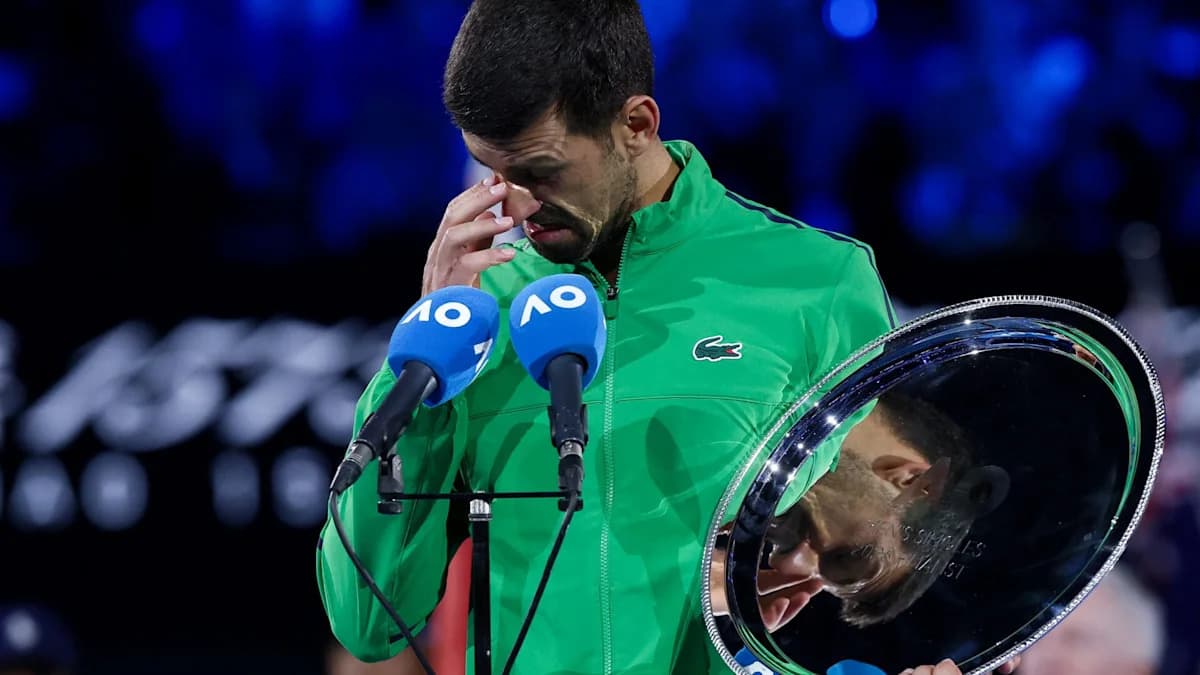
On his Served podcast, Roddick shared his thoughts on the emotional strain of making a speech right after losing a Grand Slam final. He described the 2009 Wimbledon final as the toughest moment, knowing that breaking down emotionally would end his chances in the match. He said players often keep their heads down to push through.
"Giving a speech in your worst moment… it’s not easy. If you can deliver something authentic and emotional, it changes how people see you, but it’s incredibly difficult."
Roddick praised Ben Shelton's runner-up speech following the US Open, highlighting how Shelton acknowledged both teams and showed genuine emotion. He felt such moments could leave a positive impression on fans and critics alike.
Ultimately, Roddick suggested that the choice to give a speech should rest with the runner-up. They could opt to thank their team briefly or simply say they are unable to speak at that moment. He admitted this might not please broadcasters but believes it is the right approach.
Fan Reactions and Tournament Realities
Many fans are curious to hear from runners-up, but these speeches often lack excitement since players want to exit quickly after defeat. The situation worsens when players must wait for trophy presentations while tournament officials address the crowd, prolonging an already painful experience.
Roddick’s idea to let players decide whether to speak offers a practical solution, though its adoption seems unlikely given broadcaster preferences. Runner-up speeches remain common across ATP and WTA events, making this a wider issue in professional tennis.