.svg&w=384&q=75 "logo")
Will Jacks leads England to gritty ODI victory over Sri Lanka
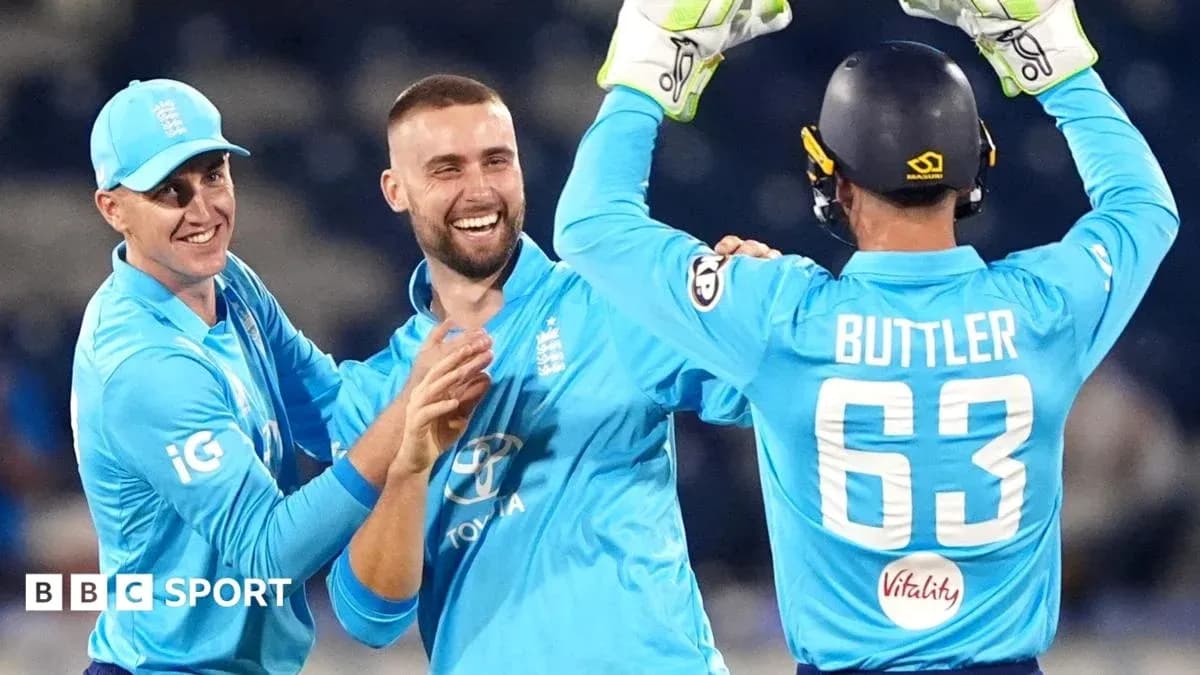
Will Jacks dragged England through the mud and into daylight at Chester-le-Street, his all-round performance turning a scrappy, awkward afternoon into an 89‑run win over Sri Lanka and another step in their quiet white-ball reset.
On a pitch that died early and stayed low, this was graft, not glamour. No sixes. No runaway powerplay. Just 265 from 48.1 overs, built on Harry Brook’s controlled 67, Joe Root’s 44 and Jacks’ unbeaten 46 – a total that looked no more than par until England’s bowlers squeezed the life out of a timid chase.
Sri Lanka folded for 176 in 37 overs. Jacks, who increasingly looks like the hinge of England’s next white-ball cycle, ripped out the heart and then the tail for career-best figures of 5-22.
England win ugly – and that matters
This was not the swaggering England of 2019. For the first time since that World Cup year, they batted first in an ODI and failed to clear the ropes. Under previous regimes that would almost have felt like a failure of identity.
It did not feel like that here.
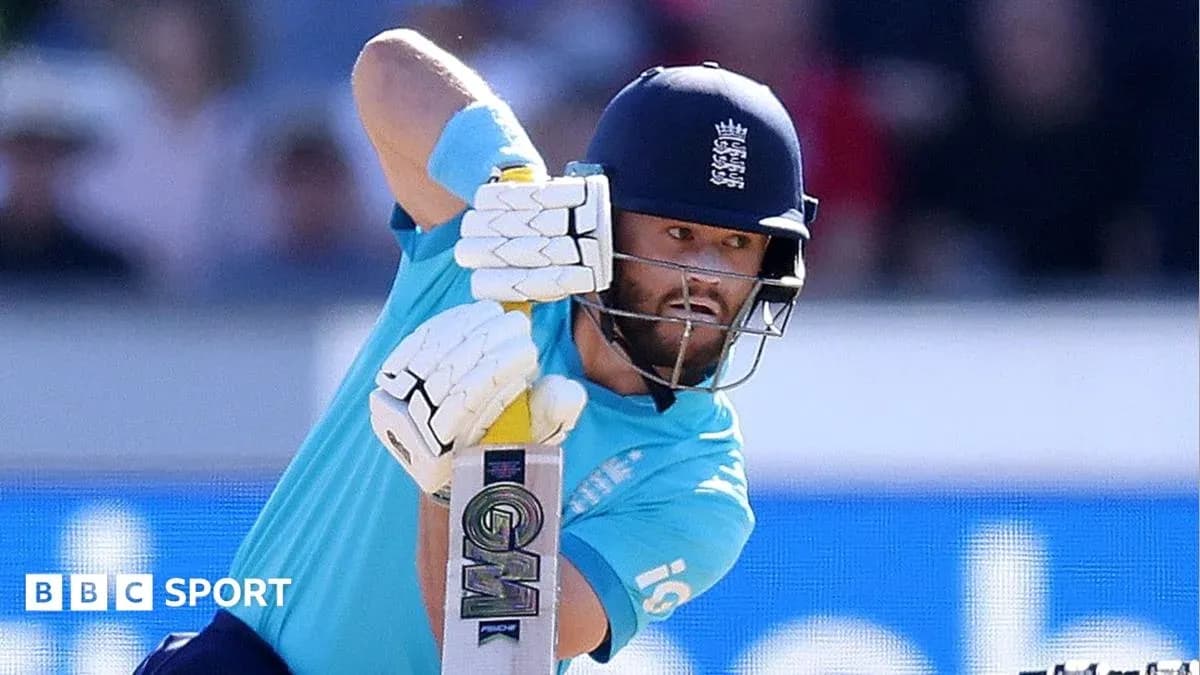
Brook, captaining and anchoring, played within himself. His 67 from 69 balls was measured, not manic, and it underpinned a total that always needed help from the bowlers. Around him, Root picked his way to 44, nudging, steering, waiting for anything even vaguely overpitched on a surface that punished ambition.
The innings stuttered badly in the middle. From 182-3, England lost 4-29. Brook, the only batter in that collapse to fall playing an overtly aggressive stroke, sliced a drive to deep cover after doing the hard yards. The rest were undone by Sri Lanka’s best phase of the day.
Sachindu Colombage, on debut, gave them that spark. The leg-spinner found just enough grip to beat Root’s defence and kiss the off stump. He trapped Jos Buttler lbw for 31, then slipped a googly through Jamie Overton for eight. His 3-44 was both a personal statement and a reminder that England’s batting, for all its pedigree, can still be rattled on slow decks.
At 211-7 in the 39th over, the innings hung by a thread. This was the moment when England sides of the recent past might have swung hard, burned bright and folded early.
Jacks chose a different route.
Jacks shows a new kind of maturity
He shelved the ego and batted time. Singles, twos, the odd release stroke – nothing reckless, everything with a purpose. He stretched the innings, protected the tail, and only really went after the bowling once he had dragged England towards something defendable.
Eighteen runs came from the 47th over, a belated surge that hinted at the carnage he might have unleashed on a truer surface. He was ready to go again when Asitha Fernando, who had earlier nicked off Tom Banton with a bail-trimmer in the powerplay, found late reverse swing to wipe out Jofra Archer and Josh Tongue.
England were all out for 265. Not imposing. Not disastrous. A score that left the match in the balance and put the onus squarely on the bowlers.
They responded with a performance that was ruthless without ever being frantic.
Sri Lanka, so much sharper in the field than in previous meetings this year, never found the same intent with the bat. Caution turned into drift, and drift turned into trouble.
Bowling squeeze exposes Sri Lanka’s timidity
England’s attack hunted quietly, methodically. They denied boundaries, hit the pitch hard, and waited for mistakes. The pressure built over spells rather than single overs.
The key moments belonged to Jacks. He removed Kusal Mendis, Sri Lanka’s captain and premier batter, and followed up with Charith Asalanka, the other pillar of their middle order. With those two gone, the chase lost its shape and its nerve.
Dunith Wellalage offered resistance, striking 45 from 36 balls to hint at what might have been if others around him had matched his intent. He was the only Sri Lanka batter to truly break free, but even his counter-attack felt like a late, lonely rebellion against the inevitable.
Once Jacks returned to mop up the tail, the contest was effectively over. His 5-22 did more than decide a match; it underlined his growing status as a genuine three-dimensional option in both of England’s white-ball teams.
Sri Lanka’s 176, bowled out with 13 overs unused, told its own story. Improved in the field, yes. But with the bat, far too passive.
A quiet streak, a louder message
This win makes it 10 white-ball victories in a row for England against Sri Lanka in 2024. It also hands them the chance to wrap up a third consecutive ODI series win with a game to spare at Headingley on Thursday.
The wider context matters. Since Brendon McCullum took charge of the white-ball setup last year, England have been bowled out 12 times. They have often needed flat pitches and big scores to feel safe. Here, on a slow track, with no sixes and a collapse in the middle, they still found a way.
That will please Brook and McCullum more than any inflated total.
They know sterner tests are coming. By the time the World Cup rolls around in a year, 265 will rarely be enough. They will need heft as well as grit, fluency as well as patience.
But they leave for two months of overseas white-ball cricket having beaten Sri Lanka earlier in the year, turned over India in July, and now stood firm again in tricky conditions.
The series concludes at The Oval on Sunday, drawing a line under one of the most topsy-turvy English summers in recent memory. If this is the version of England that emerges from the chaos – less flashy, more resilient, and with players like Will Jacks at its core – what does that say about where they might be a year from now?