.svg&w=384&q=75 "logo")
India Survives Japan's Challenge in Thrilling Five-Over Match
At Sano Cricket Ground, the world champions came within a whisker of a result that would have reverberated around the sport. In a five-over shootout, reduced by weather and stripped of all frills, India scraped past Japan by just two runs – and only after a late, highly charged umpiring reversal that will be argued over for some time.
India, the heavyweight in every sense, were held to 32-4 from their five overs. Japan, still feeling their way on the global stage, closed on 30-3. The gap between the sides on the scoreboard felt far smaller than the gulf on paper.
A wide, a reverse sweep, and a storm
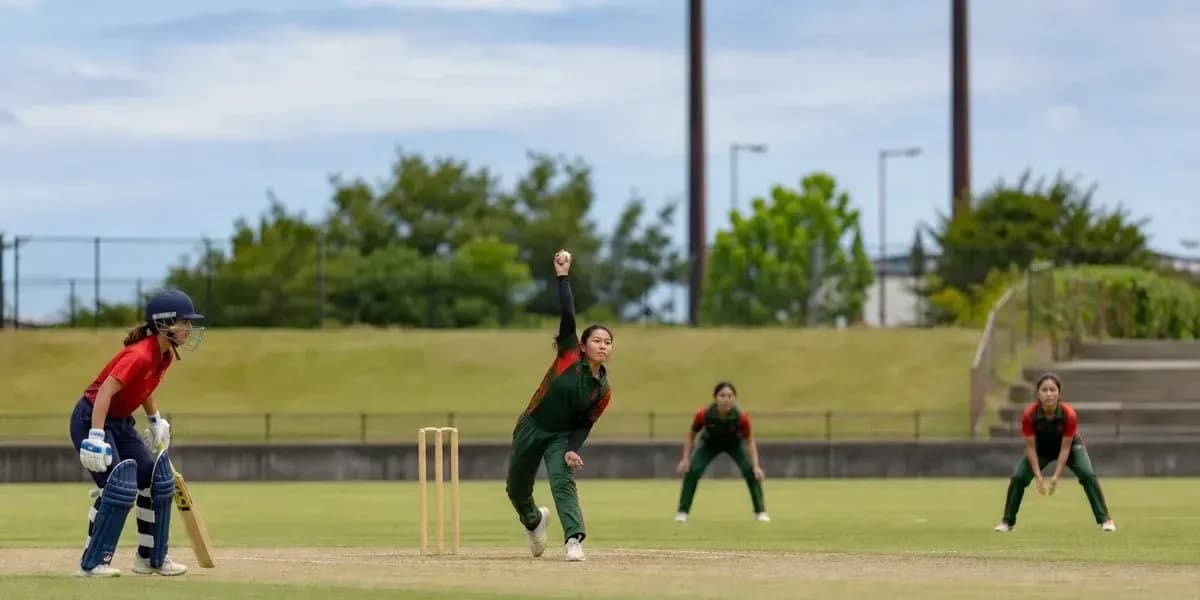
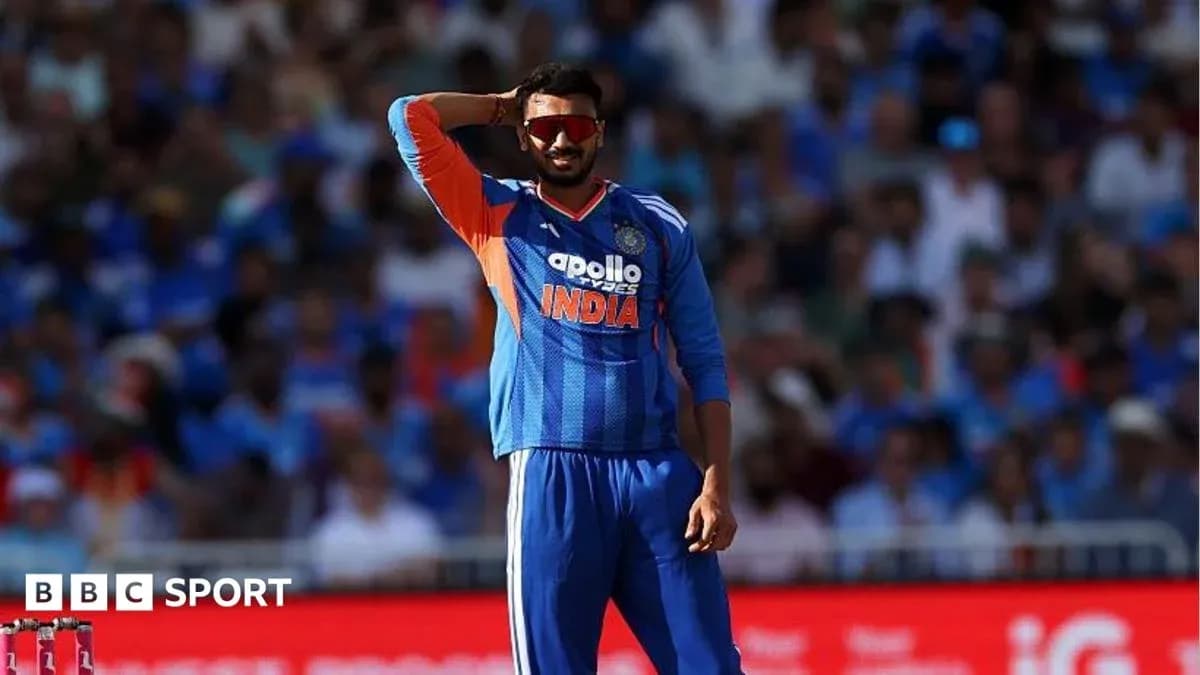
Japan needed eight from the final over. Axar Patel had the ball, Alexander Shirai-Patmore the strike, and the match – improbably – was in the balance.
Shirai-Patmore, a left-hander, set up for the reverse sweep. Axar fired one down the leg side, which would have been his off side had he played a conventional stroke. The umpire stretched his arms and signalled wide. Japan’s dugout stirred. The equation shifted to five needed from four. An almighty scalp was suddenly within reach.
Axar exploded in frustration. Captain Shreyas Iyer joined him, both men in animated discussion with the officials. After a brief conference between the two umpires, the wide was withdrawn. No DRS, no replay, just a change of mind in the middle of a nerve-shredding finale.
The recalculation was brutal for Japan: six required from three instead of five from four. In a five-over contest, that is a chasm. Axar regained his composure, closed out the over, and finished with a miserly 0-7 from two overs. Japan, who had dared to dream, finished stranded on 30-3.
Law, logic and the “spirit” debate
On the letter of the law, the officials ultimately landed in the right place. In men’s T20 internationals, the ICC’s playing conditions strip the batter of the usual leg-side wide protection the moment they alter hands or feet to play a reverse shot. A ball is only a wide if it passes wide of where the striker is standing and would also have passed wide had they been in a normal stance.
By that definition, Axar’s delivery, judged against Shirai-Patmore’s original position, was legal. The umpires corrected themselves. The process, not the outcome, is what will rankle.
With no review system in place, the sight of an on-field call being overturned after a heated protest jars with the preamble that urges players to “accept the umpire’s decision” as part of the game’s much-cited “spirit of cricket”. That phrase is not law, but it is often treated as gospel. Here, in a tiny window of play, law and spirit collided in front of a global champion and an emerging nation.
Japan’s fightback from 8-2
For Japan, the controversy capped an afternoon that had started badly, rallied bravely and ended in anguish.
Chasing 33, they stumbled to 8-2 after two overs. Against India’s attack, that looked terminal. Yet they refused to fold. Over three and four went for 17 runs, a surge that dragged them right back into the contest and set up the dramatic last over.
Shirai-Patmore anchored the chase with intent, while Kendel Kadowaki-Fleming’s 12 from 12 balls kept the scoreboard alive. India’s bowlers, under unexpected pressure, began to feel the squeeze. A fixture that looked like a formality on the schedule had turned into a genuine arm-wrestle.
Hara-Hinze floors India’s top order
None of this tension would have existed without Japan’s discipline with the ball. They took the field against a side stacked with IPL-hardened hitters and refused to be intimidated.
Seventeen-year-old spinner Charlie Hara-Hinze set the tone. He removed the explosive Abhishek Sharma with his first ball and finished with 2-17, a spell that would stand up in far grander company. India, jolted early, slumped to 14-3.
Shreyas Iyer, leading the side, had to dig in. His 16 from 12 balls was hardly a showreel innings, but in a five-over scrap it was gold. He dragged India to 32-4, a total that looked light, then just about enough, then perilously short as Japan closed in.
A first meeting, and a warning shot
This was the first international meeting between these two sides. Japan have never reached a T20 World Cup. India, reigning world champions, arrived in Sano as part of their build-up to the men’s Asian Games starting on 24 September.
On paper, it was a tune-up. In reality, it became a warning. Japan showed they can suffocate elite batting line-ups, hold their nerve in the field and chase under pressure. India escaped, but only just.
On a small ground, in a shortened game few outside the region had circled on their calendars, Japan pushed the world champions to the brink and forced the laws of the game into the spotlight.
Next time, if the margins are this fine again, will the giants be quite so lucky?