.svg&w=384&q=75 "logo")
India vs Japan: Controversial Wide Call Overshadows T20 Match
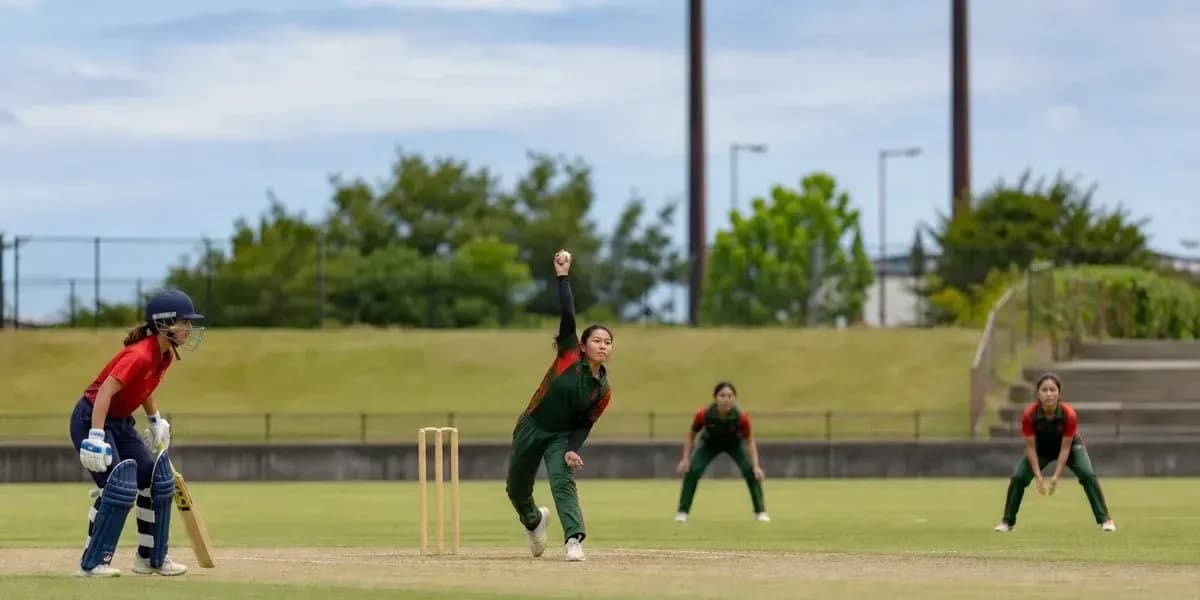
On a damp afternoon in Sano, a game that was supposed to be a soft tune-up for world champions India turned into something far more awkward: a diplomatic showcase, a near-upset, and a controversy that will not go away.
The scoreboard will always say India beat Japan by two runs in a five-over shootout. The story of how they got there is already being told in far sharper terms.
A mismatch on paper, a knife-edge on grass
Rain hacked the contest down to five overs a side at Sano International Cricket Ground. Shreyas Iyer won the toss and batted, expecting his three-time T20 world champions to flex against a side ranked 41st in the world.
Instead, Japan landed the first blows.
Charlie Hara-Hinze removed Abhishek Sharma in the opening over, then came back to dismiss Ishan Kishan with the second ball of his next. India, suddenly, were wobbling on a slow, grudging pitch that refused to yield easy runs.
Iyer steadied them. His 16 from 12 balls was hardly a blaze of strokeplay, but on this surface it felt vital. India crawled to 32-4 from their five overs. Modest. Vulnerable.
Japan walked out to chase 33 with a mix of caution and quiet belief.
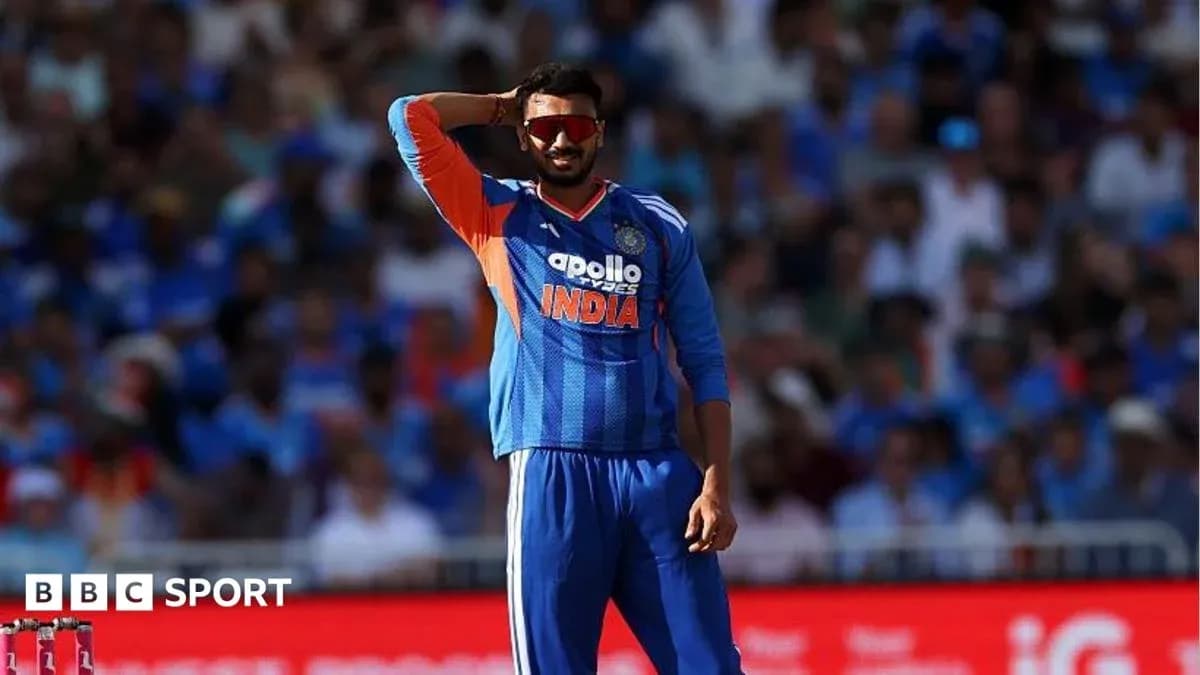
Axar Patel opened with left-arm spin and quickly cut through Lachlan Yamamoto-Lake, striking with his fourth delivery. The chase stalled early: 31 needed from four overs now, with India tightening the screws.
Washington Sundar’s off-spin in the second over brought only six runs and another wicket. The giants were squeezing, but Japan refused to fold. Over three and four, they peeled off 17 runs, their captain Kendel Kadowaki-Fleming leading with a composed 12 before falling.
The equation for the final over: eight needed off six balls, seven wickets in hand, Patel back with the ball. The upset was on.
The over that lit the fuse
Patel began with a dot. Tension. A single followed. Seven from four.
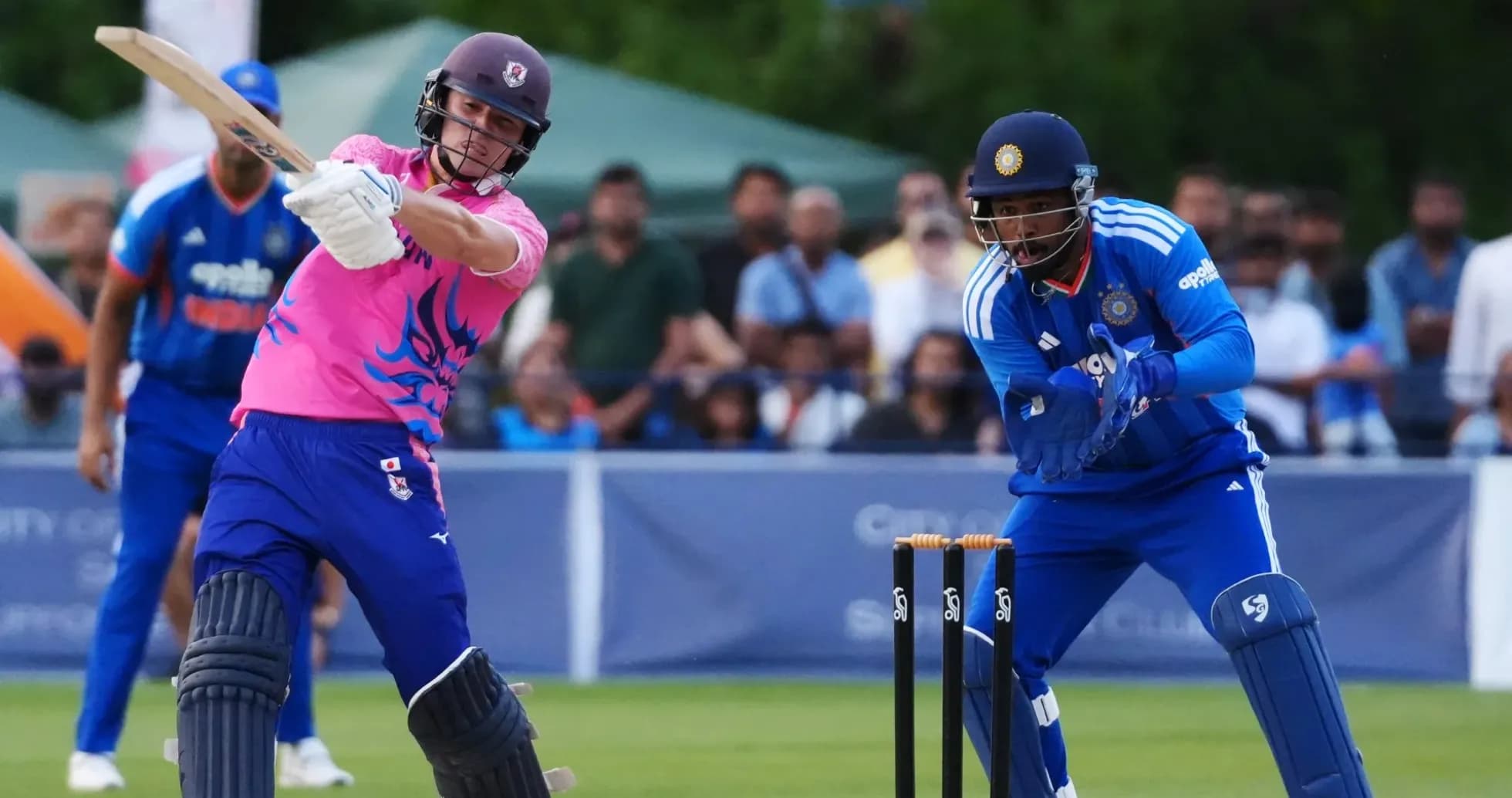
Then came the first wide. Japan needed six off four, Alexander Shirai-Patmore on strike, the home crowd sensing something extraordinary.
Patel ran in again. Shirai-Patmore shaped for a reverse sweep. The ball drifted away, out of his reach. The umpire at the bowler’s end, Chris Thurgate, stretched his arms to signal another wide.
Five off four now, on the brink of what some were already calling the biggest upset in cricket history.
And then everything changed.
Iyer and Patel erupted. Both marched towards the umpires, animated, gesturing, clearly furious with the call. There was no formal review, no signal upstairs. Just a heated exchange in the middle as Thurgate conferred with his colleague Chris Brown.
After a brief discussion, the wide was withdrawn.
No replay on the big screen. No TV umpire’s voice explaining the logic. No visible reason, under the written laws, for the decision to be reversed.
The ball simply vanished from the score.
Japan, stunned but still fighting, could only manage three singles from the last three deliveries. They finished on 30-3. Two runs short. Agony, with an asterisk.
‘Bullied’ umpires and a law ignored
The backlash was immediate.
Under Law 22.3 of the Marylebone Cricket Club’s Laws of Cricket, an umpire can revoke a wide only if the ball subsequently touches the bat or batter before reaching a fielder, or if the delivery is called a no-ball. Neither applied here. There was no edge, no contact, no no-ball.
The only thing that changed was the level of protest from India’s captain and bowler.
In a sport that traditionally frowns on players openly berating umpires, the optics were ugly. No DRS. No official review. Just pressure, consultation, and a reversal that cut Japan’s target back by a run and a ball at the most critical moment of the match.
Reaction from around the cricket world was scathing. Wisden writer Ben Gardner called it “a disgraceful decision”, accusing India of having “bullied the umpires into overturning a wide call against Japan” with five needed off four.
Others were even more direct. “Japan were robbed here,” wrote Abu Zaid Sarooji on social media, voicing what many neutrals were thinking.
Even some Indian supporters questioned the call, pointing out that Shirai-Patmore had not changed his stance before the ball was bowled and had not tried to deceive Patel. For them, this was not sharp gamesmanship. It was a line crossed.
Silence from captains, pride from Japan
When the dust settled, neither captain directly addressed the incident.
Iyer, speaking after the match, focused on the conditions and the challenge of a five-over lottery. “Honestly speaking, it was a very difficult wicket to bat on,” he said. “A five-over game, it can go anywhere. It doesn’t matter how good a team you are.”
He reserved generous praise for Japan.
“The attitude and approach the Japanese team showed today was impeccable, and kudos to them. Their approach was outstanding. I’m sure that they are on the right track.”
Japan’s players, though, walked off looking hollowed out. They had gone toe-to-toe with the best in the world, only to be left wondering what might have been if that wide had stood.
Kadowaki-Fleming later allowed himself a moment of pride.
“Emotions are running pretty high in our group. But the fact that we’re able to run the best team in the world, in my opinion, to the last ball of a game is pretty special,” he said. “I think today was a really momentous occasion in that it was the first time we were able to face a full member.”
A diplomatic coup, a sporting flashpoint
This was no ordinary fixture for Japan.
The one-off T20 International was the product of years of lobbying by the Japan Cricket Association, backed by corporate support and quiet nudges from the Japanese government. Persuading India and the BCCI to bring a full-strength T20 side to Sano was a breakthrough in itself.
Japan, an associate member of the ICC with just 7,300 registered players and 16 cricket grounds, had finally enticed the game’s powerhouse into their backyard. Ranked 41st in men’s T20Is, with the women’s team at 39, they had never before faced a full member nation.
This was supposed to be a landmark. A celebration. The first page, as JCA chief executive Naoki Alex Miyaji put it, “of a new era”.
It still might be. The images of Japan’s bowlers troubling India, of their batters dragging the chase to the final ball, will resonate in a country where cricket fights for space behind baseball and football.
But the match will now also live on for something else: a single delivery that was first called wide, then erased under pressure, in defiance of the written law.
On a slow pitch in Sano, Japan came within a swing of rewriting cricket’s hierarchy. Instead, the night ended with a question that will hang over this “momentous occasion” for a long time: when the sport’s smallest voices finally earned their stage, did its biggest power play fair?