.svg&w=384&q=75 "logo")
Novak Djokovic Faces Doubt After US Open Upset
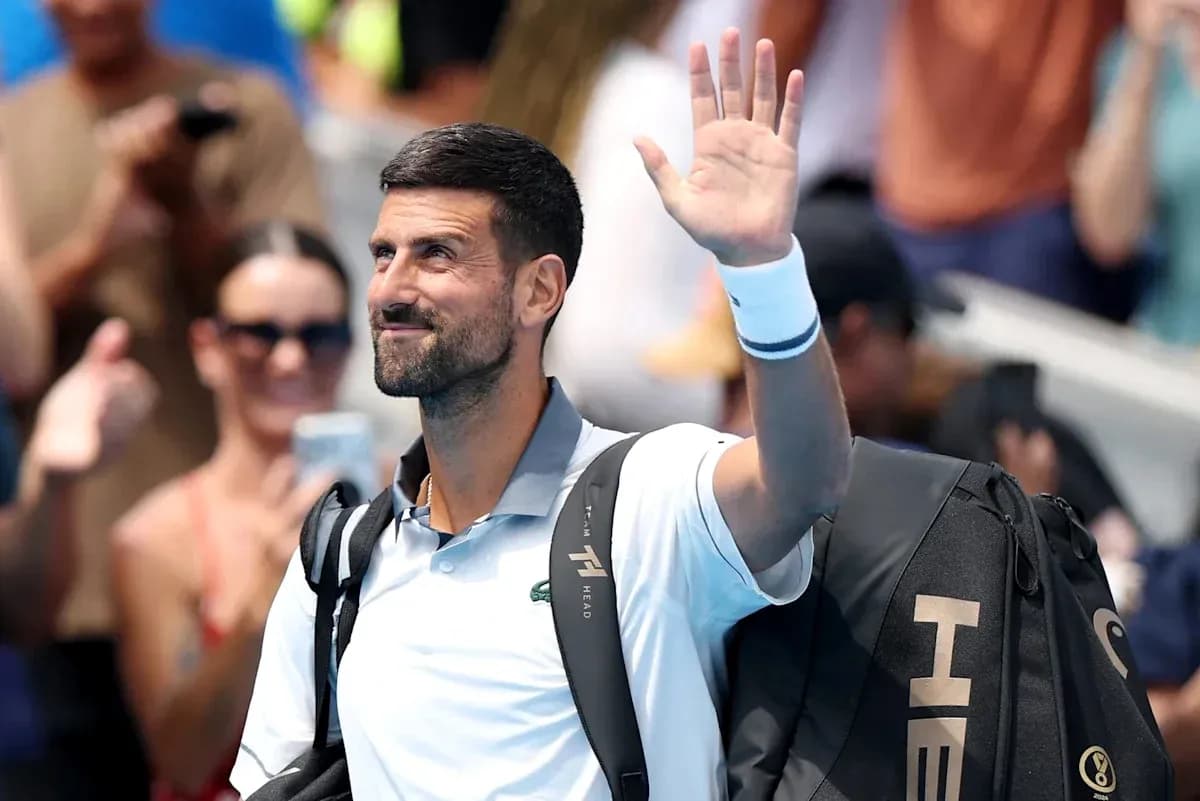
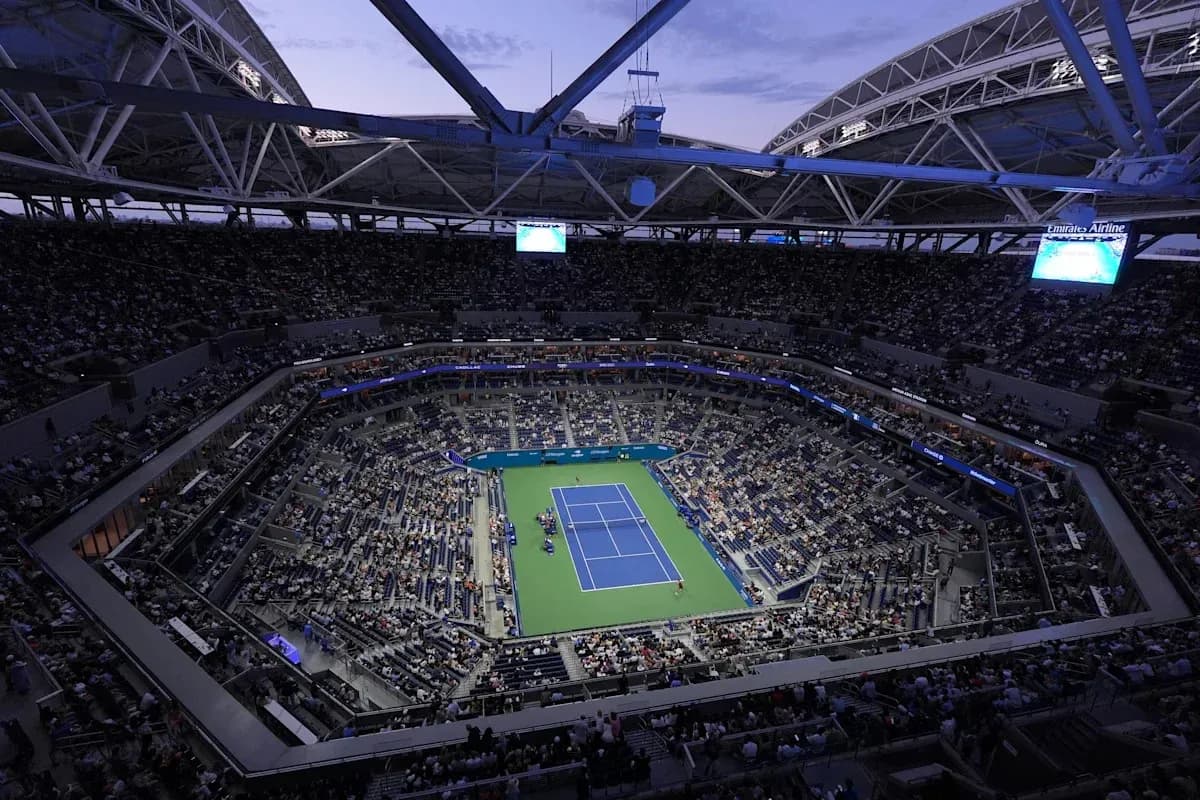
Novak Djokovic walked into Flushing Meadows chasing history. He walked out facing something far more unfamiliar: doubt.
His first-round defeat to Mariano Navone at the 2026 US Open was not just an upset. It was a rupture. A 39-year-old, a 24-time major champion, beaten by the world number 48 in round one, in a stadium where he has so often bent matches – and opponents – to his will.
This was his earliest Grand Slam exit in 20 years, his worst major finish since 2006. The man who had turned the first week of Slams into a formality suddenly looked mortal. A streak that once felt indestructible snapped in an instant: 77 consecutive first-round wins at Grand Slams, gone.
The shockwaves did not stop with the scoreline.
A giant falls out of the top ten
With that single loss, Djokovic slipped out of the ATP top ten for the first time since 2018. He now sits at 12 in the world rankings, a number that would be a career peak for most but feels jarring next to his name.
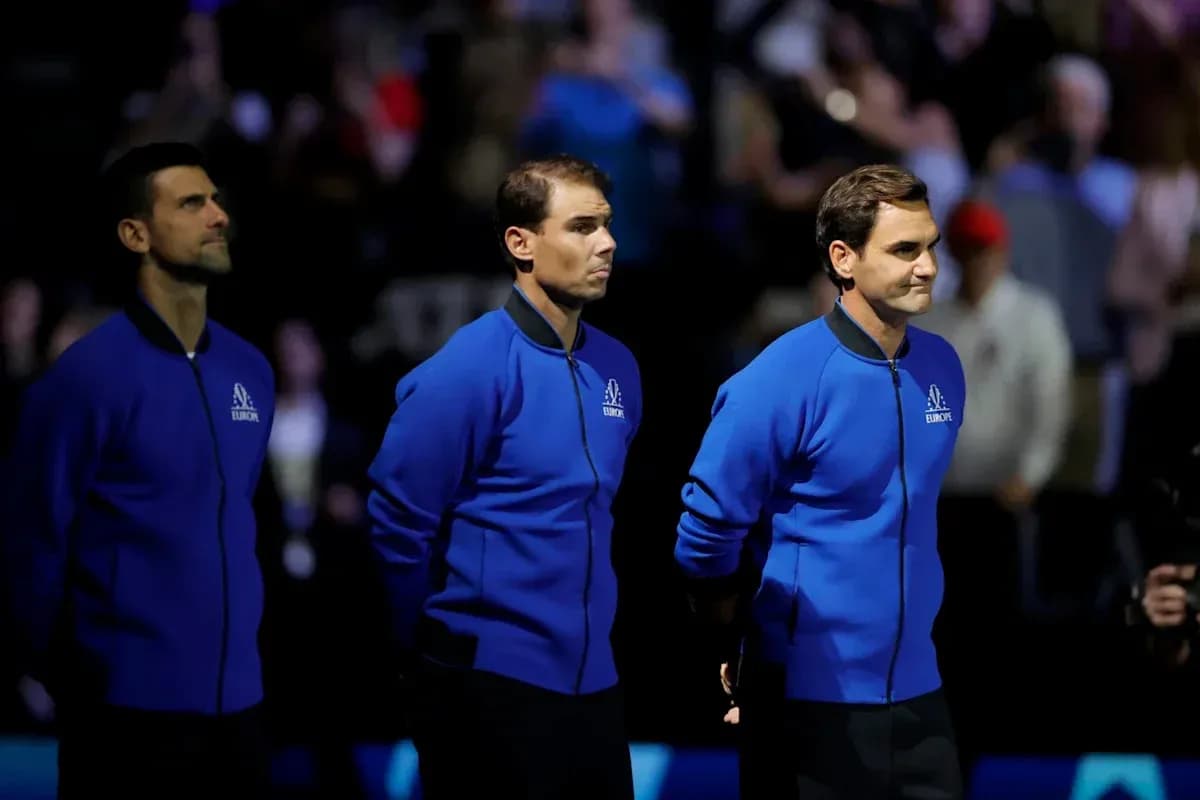
The symbolism runs deeper. For the first time since 2002, none of Djokovic, Roger Federer or Rafael Nadal occupies a place in the top ten. A generation that defined tennis for two decades has finally, at least in the rankings, stepped aside.
Djokovic’s fall is not a collapse, but it is a reset. And it comes at a dangerous moment in the season.
ATP Finals suddenly in doubt
Strip away the aura and the numbers tell a stark story. In the race to the ATP Finals, Djokovic is not 12th. He is 15th.
Since his debut at the year-end showpiece in 2007, he has missed the event just once, in 2017. From there, he turned the tournament into his private domain: a record seven titles, the ultimate hard-court exam passed again and again.
That dominance now sits under threat.
Djokovic has 2,330 live points in the race, built largely on two deep Grand Slam runs this year – a final in Melbourne at the Australian Open and a semifinal at Wimbledon. Solid, but not enough in a season where the field has been relentless.
Only eight men will qualify for Turin. Right now, the last of those spots belongs to Daniil Medvedev, holding 2,780 live points. Djokovic is chasing, not dictating. He needs to close a gap of 450 points just to draw level with the Russian, and that assumes nobody else between them surges.
For a player who has spent a career controlling his own destiny, that is unfamiliar territory.
Shanghai, Paris, and a narrow path
The calendar offers him a lifeline, but not a guarantee.
Two Masters 1000 events remain: Shanghai and Paris. Each title is worth 1,000 points, the kind of haul that can flip the race on its head in a single week. These are tournaments Djokovic knows how to win, how to navigate, how to suffocate.
He is also scheduled to return to the China Open during the Asian swing, a 500-point event if he goes all the way. On paper, the route is clear: a strong run in Asia, a big statement in Europe, and the ATP Finals door swings open again.
Reality is trickier. Djokovic cannot simply pile up points; he also needs those ahead of him to falter. Players above him in the race must stumble, lose early, freeze under pressure. For once, he is not just fighting opponents across the net, but the arithmetic of the rankings.
That is the uncomfortable truth of this stage of his career. The margins are finer. The schedule is lighter. Every loss cuts deeper.
The champion of Turin on the brink
The irony is sharp. The tournament now in jeopardy is the one he has owned like no other.
Djokovic has not appeared at the ATP Finals for the past two seasons, a conscious choice as he trimmed his schedule in the twilight of his career. The last time he stepped into the year-end arena was in 2023, and he walked away with the trophy.
That week in Turin felt like a coronation. He beat Carlos Alcaraz and Jannik Sinner, the standard-bearers of the new generation, and closed one of his finest seasons on tour by reminding everyone that the old guard still ruled.
It was his seventh ATP Finals title, and his second in a row after beating Casper Ruud in the 2022 final. No one has ever controlled the event like Djokovic. Between 2012 and 2015, he won it four straight times, a run that turned the tournament into a recurring epilogue to his dominance.
Now, the same stage may go ahead without him.
The numbers say it is possible. The calendar says there is time. The question is whether Novak Djokovic, chasing a place in Turin rather than assuming it, can summon one more charge when the season, and perhaps an era, hangs in the balance.