.svg&w=384&q=75 "logo")
NBA's Harsh Sanctions on Clippers: A Warning to Teams
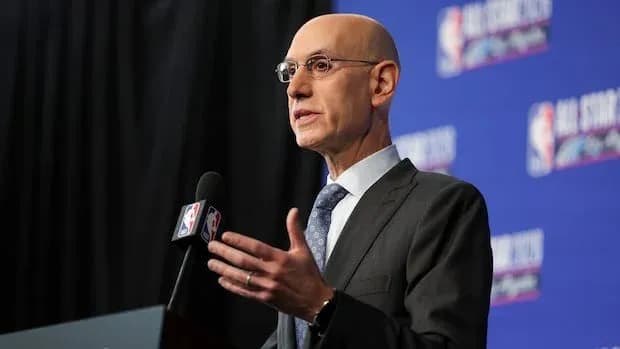
Adam Silver doesn’t often look uncomfortable at a podium. On Tuesday, he did.
The NBA commissioner, wrapping up a two-day Board of Governors meeting, tried to thread a needle that never sits easily with a league office: enforcing the rules while knowing the punishment will reverberate far beyond the front office that broke them.
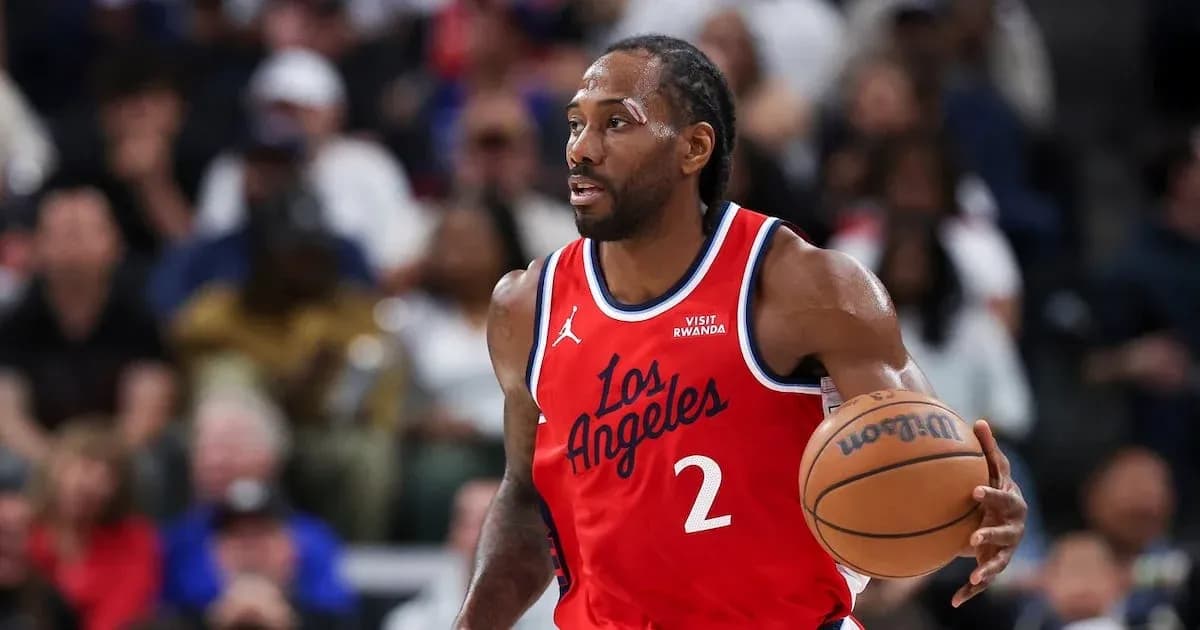
The Los Angeles Clippers have been stripped of five first-round draft picks, fined $30 million US, and lost their owner, Steve Ballmer, to a one-year suspension after the league ruled the franchise circumvented salary cap rules in dealings tied to Kawhi Leonard. The organization denied wrongdoing throughout a yearlong investigation. The league ruled otherwise.
Silver made it clear this wasn’t a penalty pulled from thin air. The benchmark sat in league history.
A harsh echo of Minnesota
The commissioner pointed to the Minnesota Timberwolves case, when that franchise was once docked five first-round picks for cap circumvention, as the precedent that shaped the Clippers’ fate. That earlier scandal has hovered in the background of every cap case since; on Tuesday, it stepped into the spotlight again.
The number — five first-rounders — is brutal in any era. In today’s NBA, where draft capital fuels every rebuild and every blockbuster trade, it borders on crippling. Silver acknowledged as much, while stopping short of calling it ruinous.
He said he does not believe the sanctions will cause “permanent damage” to the Clippers, but he didn’t pretend the blow was anything less than severe. The league wanted consequences that would be felt.
Fans caught in the crossfire
That’s where Silver’s discomfort surfaced.
“I think that's, in some ways, the most difficult part of adjudicating these disputes,” he said. “While there have to be competitive consequences, in our view, if these rules are violated, we still want to be a 30-team league and we recognize that in some ways we're unfortunately punishing the fans of that team as well.”
There it was: the core tension. The league cannot allow teams to bend or break the cap rules without fear of real punishment. But every time it acts, it hits the people with the least control and the most emotional investment — the fan base.
For Clippers supporters, the price is staggering. Five first-round picks gone. A $30 million fine already paid, according to Ballmer earlier this week. A one-year ban for an owner who has been the public face and financial engine of the franchise. And all of it unfolding just as the Kawhi Leonard saga took another sharp turn.
Leonard back to Toronto, deal finally done
The trade sending Leonard back to the Toronto Raptors was finally completed Monday, after the league gave the standard approval that every deal requires. That rubber stamp arrived in the shadow of the investigation’s findings, tying the player at the center of the cap case to the latest twist in the Clippers’ roster build.
The sanctions, though, stand on their own. The league concluded the Clippers had circumvented the salary cap on Leonard’s behalf. The team “vehemently” denied it throughout the probe, but once the ruling came down, Ballmer chose not to fight the league in public. He said he would accept the penalties. The fine, he added, is already off the books.
The organizational fallout is still unfolding. The Clippers were not represented at the Board of Governors meeting, Silver confirmed, because the franchise is in the middle of searching for an interim governor to step in while Ballmer serves his suspension.
A message to the league
Strip away the legal language and the procedural steps, and the message from the league office is stark: the salary cap is not a suggestion, and the punishment for crossing the line can stretch across a decade of team-building.
For the Clippers, the cost will be measured in more than dollars and draft slots. Every trade discussion, every long-term plan, every attempt to pivot if this era runs its course will now be shaped by the missing picks and the stain of a cap-circumvention ruling.
Silver insists this won’t cause “permanent damage.” The franchise still sits in the nation’s second-largest market, with an aggressive owner waiting to return and a new arena era underway. The league wants a strong, competitive 30-team ecosystem. It needs Los Angeles’ second team to matter.
But the commissioner has drawn his line. The precedent is clear. The punishment is real.
The Clippers’ future now depends on how well they can navigate a landscape they helped create — one where the margin for error just shrank, and the bill for crossing it has finally come due.