Lionel Messi Ends International Career with Poise While Cristiano Ronaldo Falters
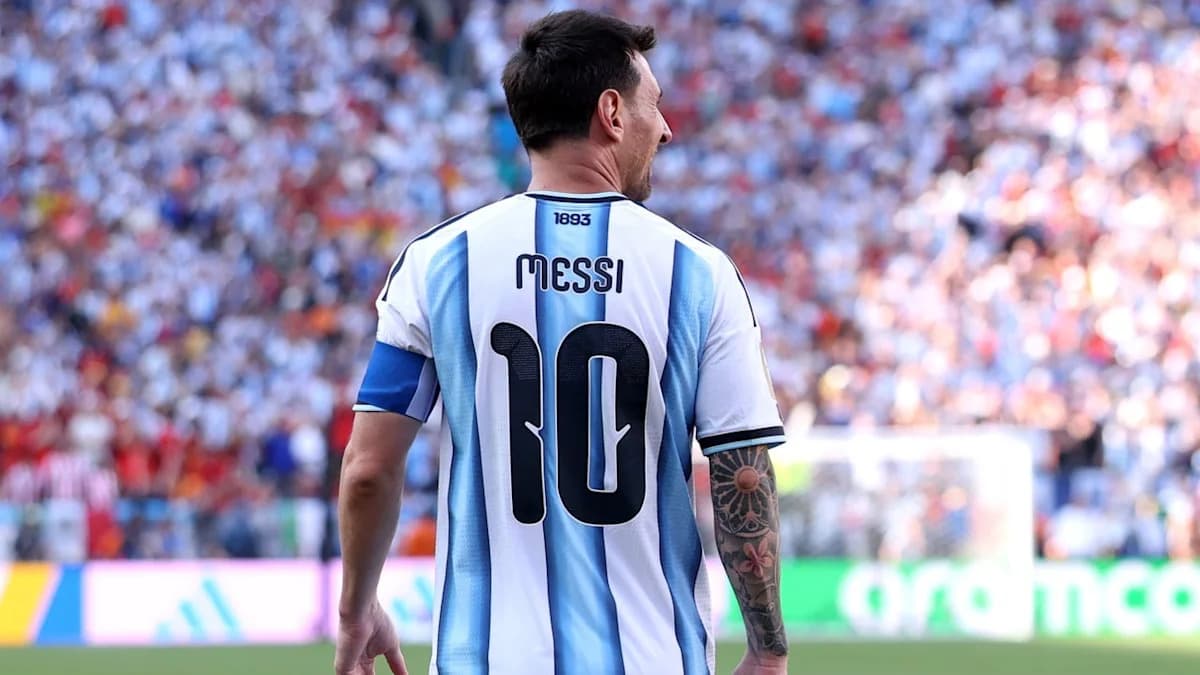
Lionel Messi's Farewell to International Football
Lionel Messi is stepping away from international football in a manner few could match. His final appearance for Argentina is set for Tuesday night at the iconic Estadio Monumental, the home ground of River Plate, marking the end of a remarkable chapter in football history.
At 39 years old and an eight-time Ballon d'Or winner, Messi announced his retirement following the 2026 World Cup. Widely seen as one of the greatest footballers ever, he defied expectations during the recent World Cup by delivering an extraordinary performance—scoring eight goals and providing four assists. For a time, he was even the tournament's top scorer before Kylian Mbappe claimed the golden boot. Despite this, the campaign ended in disappointment for Argentina.
The World Cup Final and Aftermath
Messi led Argentina to their second consecutive World Cup final but couldn't replicate the victory from Qatar. The match concluded with a loss, overshadowed by a post-game brawl involving Argentina’s Leandro Paredes and others. Messi, though not blameless, shared in the collective shame of the team's display.
Late in the match, Enzo Fernandez was sent off after a rough challenge, and Messi tried to seek fairness when a racist comment was allegedly made against a teammate. His appeals were unsuccessful, and Spain won in extra time through what many saw as deserved play against Argentina’s defensive style.
Messi's emotional reaction on the sidelines reflected the heavy weight of the moment. Unlike Diego Maradona, whose career ended amid controversy in 1994, Messi's exit was shaped by personal loss—his father and agent Jorge passed away after a long illness—and the natural close of an era.
Retirement Announcement and Legacy
Six weeks after the World Cup final, Messi confirmed his decision on Instagram, stating, "There isn’t much time left, chapters come to a close, and this is one that hurts me deeply. I love, have loved, and will always love being part of the national team. I’ve given it my all, I have nothing left to give, and besides, there are some really great young players coming through behind me who deserve their chance."
Over 21 years, Messi accumulated 207 appearances, scored 125 goals, and assisted 68 times for Argentina. His international career mixed triumph with heartbreak—winning a World Cup, two Copa Americas, and an Olympic gold medal, yet also finishing runner-up in two World Cups and three Copa Americas.
Coach Lionel Scaloni shaped a team that played fiercely for Messi, culminating in Argentina’s first World Cup win since 1986. Messi retires as a hero, having achieved his goals and earned undisputed respect.
Cristiano Ronaldo’s Troubled Exit
In contrast, Cristiano Ronaldo faces a much messier international exit. Having been a burden to Portugal's team dynamics for at least two years by occupying a starting spot that younger players might have filled, Ronaldo stayed on past the World Cup cycle. That changed when he quit the squad after being an unused substitute for the first time in 18 years during a Nations League game against Norway—a match Portugal won thanks to a goal from Goncalo Ramos.
Ronaldo took to social media promising to reveal the truth behind his departure in due course, sparking widespread disinterest and comparisons to a petulant child seeking attention. At 41, this behavior only diminishes his legacy further.
Legacy Comparison
As Ronaldo damages his standing month by month, Messi’s legacy remains untarnished despite recent failures on the biggest stages. His achievements have secured him lasting admiration, while Ronaldo’s latest actions weaken his case in the ongoing GOAT debate.
Final Moments in Buenos Aires
In Buenos Aires, Messi’s farewell will be filled with tears of gratitude, pride, and sorrow, but no anger or bitterness. He has defined football for a generation in Argentina and leaves the international scene with dignity and respect, head held high.