.svg&w=384&q=75 "logo")
English Cricket's New Chapter: Joe Root and Kevin Pietersen Return
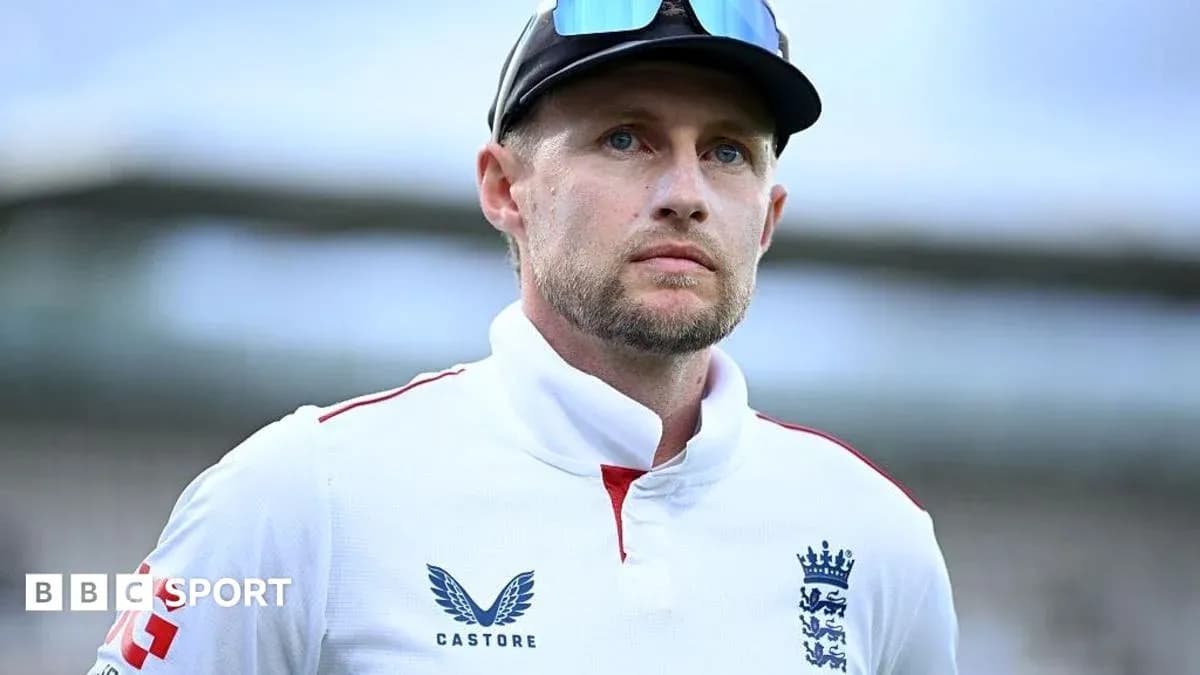
Joe Root back in charge. Kevin Pietersen back in the dressing room.
It is 2026 and, somehow, English cricket has spun itself into a reality that would have sounded like talk-radio fantasy a year ago. For those two things to feel almost normal now says plenty about what has been a wild, disorientating summer for the Test side.
The great spring argument – should England rip up the leadership after the Ashes? – has been overtaken by events. They have arrived in a post-Bazball landscape without actually changing the captain in the immediate aftermath. The revolution simply ran out of road.
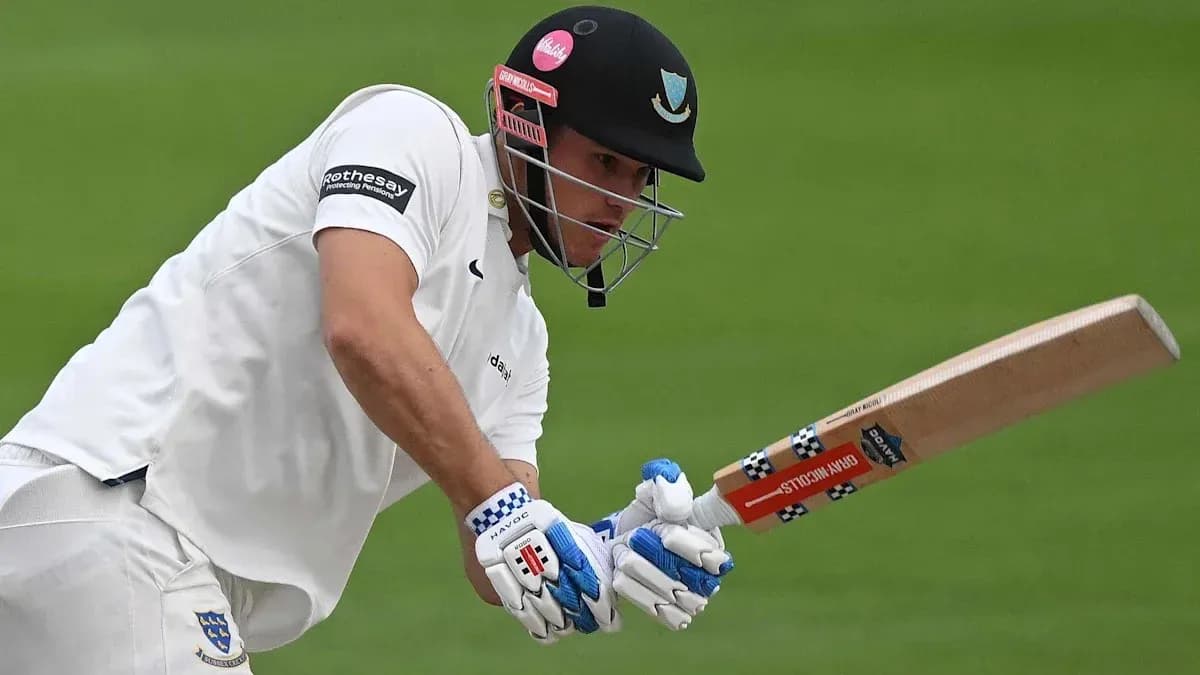
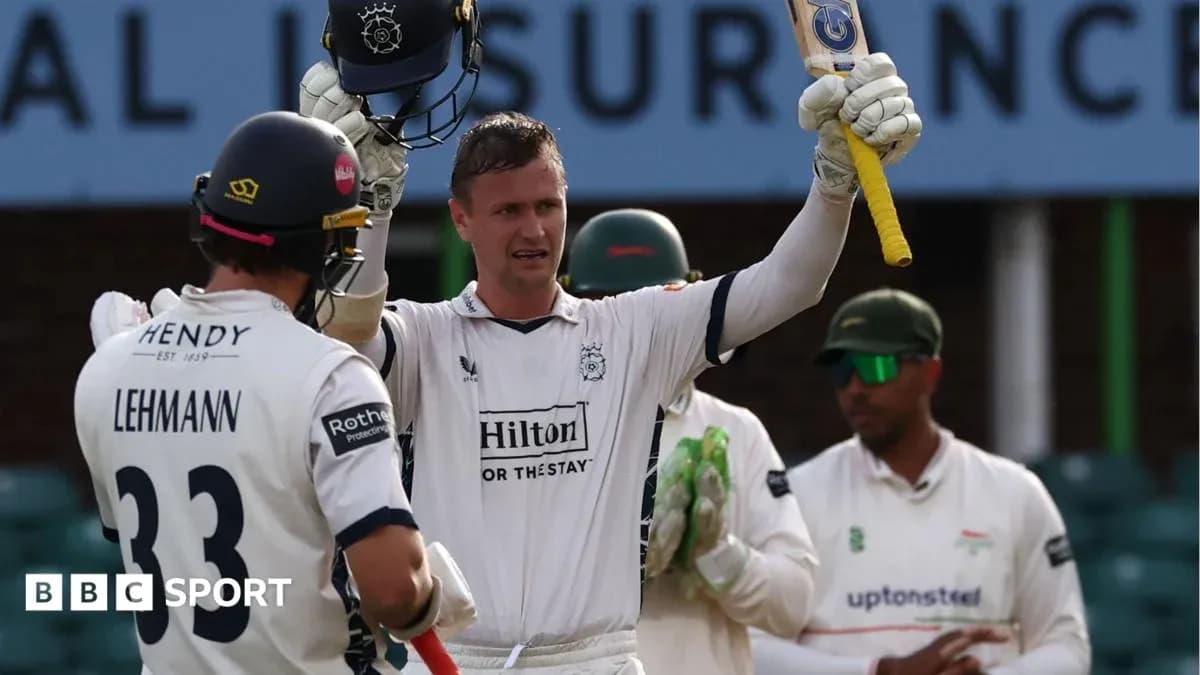
Was the summer wasted because the big structural decisions were delayed? Try selling that to Jordan Cox, Emilio Gay or Dan Lawrence, each of whom has used these months to elbow their way into the conversation. Tell that to a rejuvenated Ollie Robinson. Or to Root, who literally went rummaging in his garage to dig out the old captain’s blazer he thought he had retired for good.
The harsher truth lingers in the background. Are England a better side in September than they were in June? Strip away the romance and it is hard to claim they have improved when they have lost Ben Stokes, the man who dragged an entire era behind him. That should not diminish the quality of a 3-0 sweep over Pakistan, a series England controlled for long stretches. But it does frame the question.
Stokes’ personality swallowed the team he led. By the end, England were an extension of his mood, his words, his instincts. Root is wired differently. The dressing room feels different around him.
For two and a half Tests, that difference looked healthy. England moved with a quieter assurance, a calmness that suggested a side content with its plans and its place. They had not truly been stretched, and they carried themselves like a group who believed the worst of the turbulence had passed.
Then came Razaullah and two hours of bedlam at Edgbaston.
Every swing of his bat shaved another layer off that composure. Old doubts from Root’s first spell as captain resurfaced in real time. Fields scattered, plans frayed, and the skipper himself disappeared briefly from the field, a telling image for those who remember the strain of his previous tenure. Stokes, for all his flaws, rarely allowed a session to spiral quite so completely out of his control.
Out of that chaos, there were at least slivers of honesty. Stand-in coach Marcus Trescothick did not bother with spin or slogans. He fronted up, admitted his disappointment, and spoke in a tone that cut against the relentlessly upbeat messaging that had become synonymous with Bazball. It was a subtle but notable change in how England talk about themselves.
And yet, as the season closes, English cricket finds itself in a familiar place: still not quite sure how good this Test team actually is.
The pattern is depressingly recognisable. The drawn Ashes in 2023. The shock defeat by Sri Lanka at The Oval at the end of 2024. The failure to close out the final Test against India last year. When the defining series have arrived, England have not finished the job. In between those marquee contests, the schedule has produced more theories than answers. The brass ring keeps swinging just out of reach, the promised pot of gold forever glinting somewhere beyond the next rainbow.
What they do have, right now, is a pace attack that has lit up the summer and stirred memories of 2005.
Ollie Robinson has been the axis of it all. Twenty-eight wickets at 9.32 is not just good; it belongs to a different age, the sort of numbers you expect to find in dusty ledgers from before World War I. He has ruled this English summer, bullying batters with relentlessness rather than raw speed.
Around him, England have assembled a Swiss army knife of fast bowling. Jofra Archer, Josh Tongue and Gus Atkinson bring pace, hostility and variation. On paper, it is a quartet to take anywhere, a group that invites comparison with the great Ashes-winning unit of Flintoff, Harmison, Jones and Hoggard. The one missing piece is a left-arm option, that eternal itch selectors never quite scratch.
Beneath that top layer, the picture is less secure. England are one injury away from staring at a very green bench. Sam Cook, Sonny Baker, Matthew Fisher and Henry Crocombe have only four caps between them. Brydon Carse is in the frame, though the Derby incident still hangs over any decision to take him on tour. Olly Stone, back in form and bowling with bite, is forcing his way into the debate again. The depth is there, but it is unproven.
The next challenge is selection, not sentiment. England must work out how this attack travels through a demanding winter. The four quicks could easily operate in South Africa and in the one-off pink-ball 150th anniversary Test in Melbourne, conditions that reward their strengths. Bangladesh in February is a different sport.
On turning pitches, spin suddenly matters again – which is awkward, because spin has been largely redundant all summer. Overs have gone to the seamers, and the slow bowlers have been left on the margins. The result is a long list of candidates and no obvious frontrunner.
- Shoaib Bashir
- Jack Leach
- Dom Bess
- Will Jacks
- James Coles
- Mason Crane
- Liam Patterson-White
- Calvin Harrison
- Jack Carson
All can make a case in a selector’s meeting, none has yet made the position his own. It is a carousel, not a pecking order.
For now, the incumbent is Dan Lawrence, a batter whose part-time off-breaks have been used sparingly but carry weight in the balance of the side. His ability to bowl gives him an edge when Jacob Bethell returns from a knee injury and re-enters the all-rounder conversation.
That likely squeezes the decision for South Africa into a straight shootout between Jordan Cox and Emilio Gay for a batting spot in December. One of them will walk out in the Highveld heat as part of England’s next iteration. The other will watch and wait, another talented player wondering where exactly this team is heading.
Four years into Rob Key’s tenure as director of cricket, that remains the central question.