.svg&w=384&q=75 "logo")
England's Opening Dilemma: Balancing Bethell, Duckett, and Emerging Talents
Marcus Trescothick has never been one for romantic notions about the art of opening. He did the hard yards himself, 76 Tests of new balls, fresh pitches and fast bowlers, and still he looks at the modern game and shrugs at tradition.
England, he says, no longer need a classic, made-to-measure Test opener at the top of the order.
"You generally want your best top seven, however that looks," he said, as another English summer wound down and another selection puzzle loomed. "Who that's going to be, I don't know. That's for someone else to work out."
Someone else, in this case, is Stephen Fleming.
Bethell’s return and a crowded top order
The immediate question is Jacob Bethell. When the left-hander returns from a knee injury for December’s tour of South Africa, England must find a way to fit him into a top six that has already shifted and stretched across the summer.
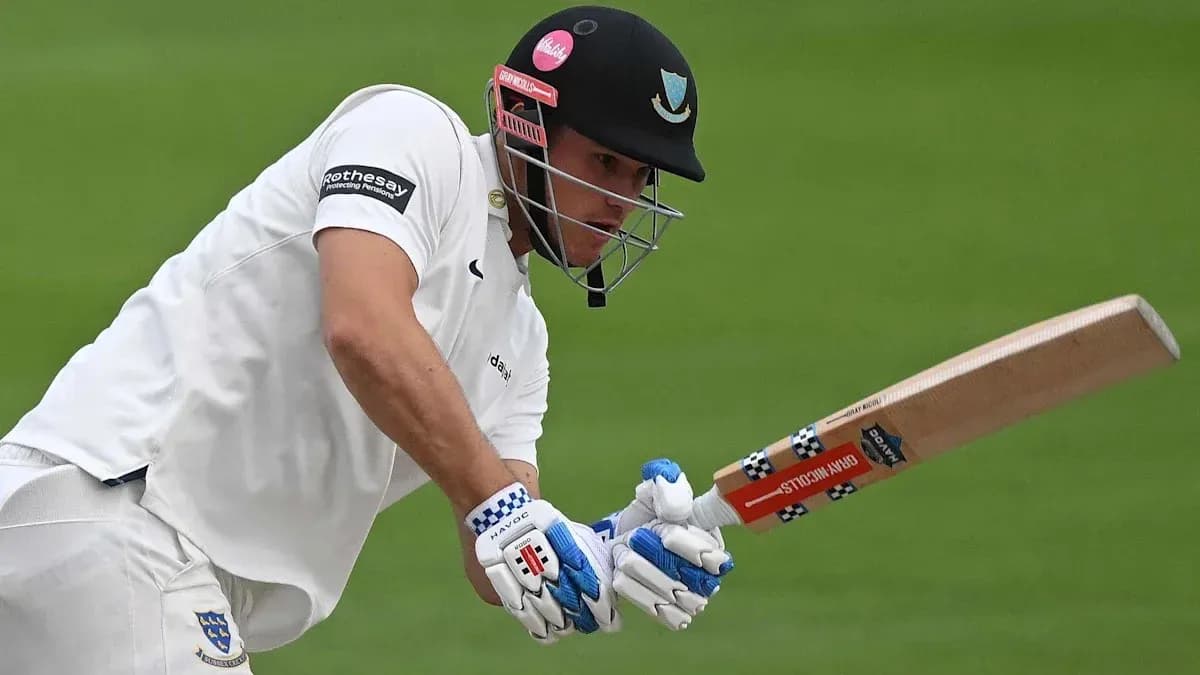
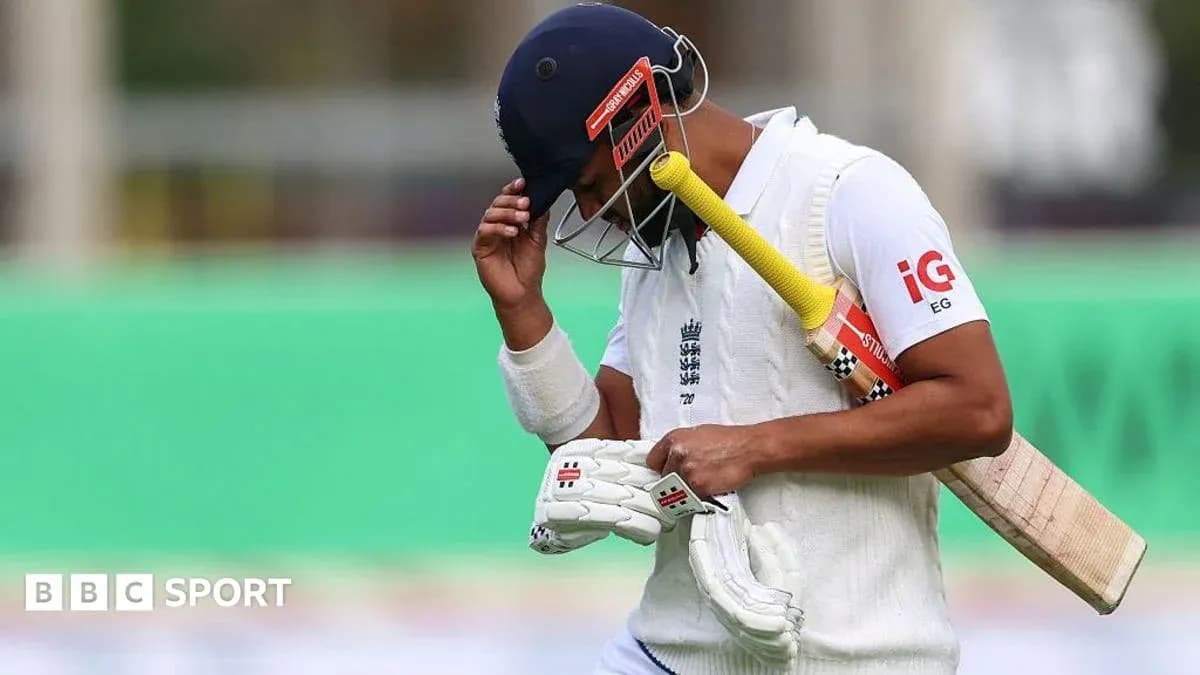
Emilio Gay has spent his first season as a Test cricketer opening alongside Ben Duckett. The numbers tell a muddled story. Three half-centuries for Gay, but an average that slips under 25 by season’s end. Promise, but not yet permanence.
Duckett, one of the senior figures in this side, produced England’s only century of the summer – a fluent hundred against New Zealand at Trent Bridge in June. Since the start of the Ashes, though, his returns have tailed off. He failed to pass 20 in the three-match series against Pakistan and his average in that period sits below 24. An opener with credit in the bank, but not an unlimited overdraft.
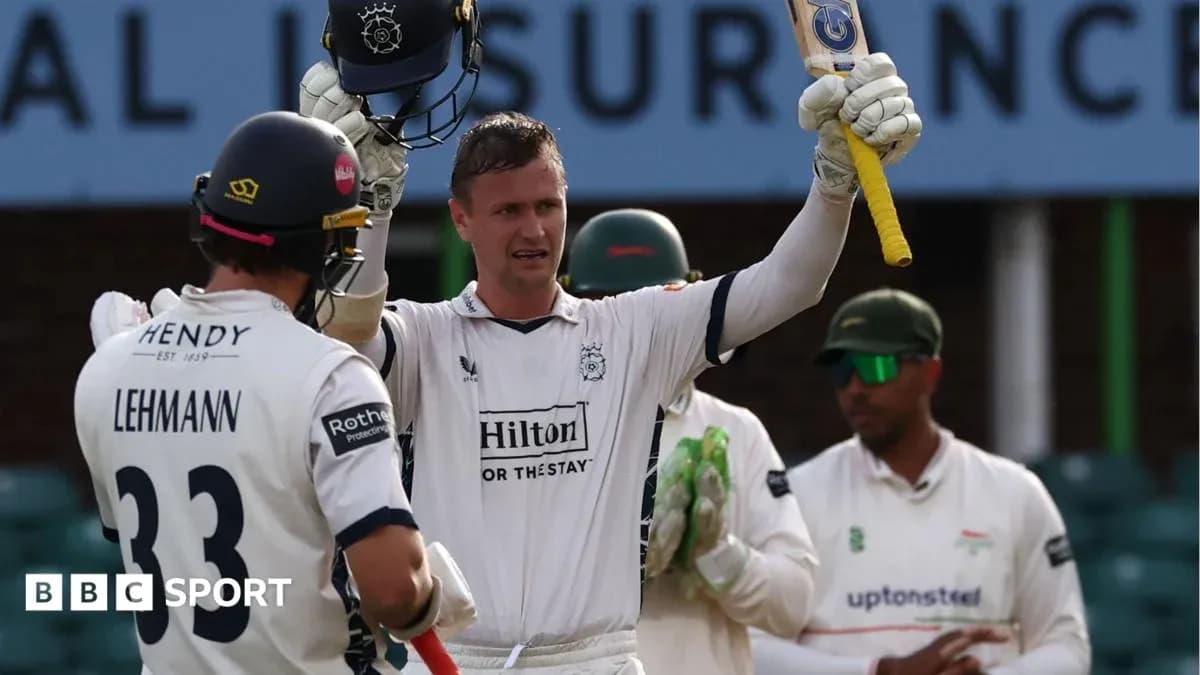
Behind them, Jordan Cox has muscled his way into the conversation. Thrust in at number three as Bethell’s stand-in, he finally made his Test debut this summer and has looked immediately at home. An average north of 42, a calm presence at first drop, and a backstory that strengthens his case: he has opened in first-class cricket before.
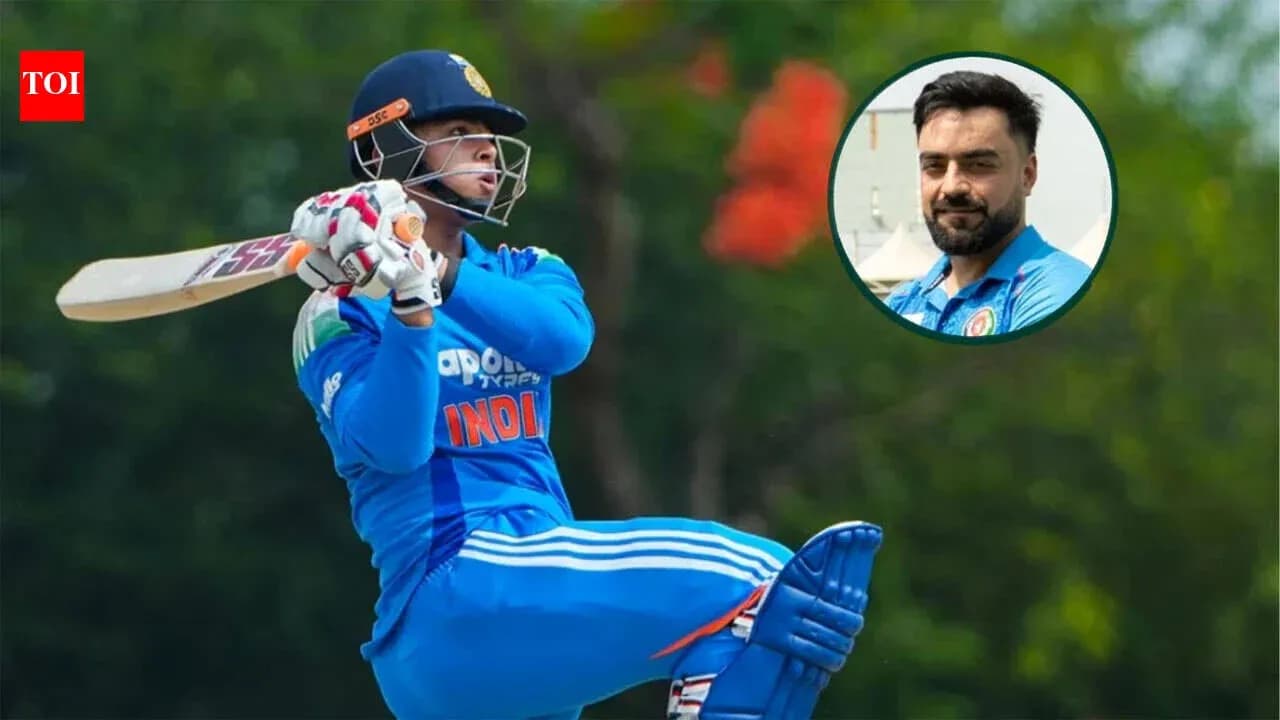
Bethell himself has long been talked about as a potential Test opener. England’s white-ball side has already nudged him up to the top in one-day internationals, a sign of how they view his range and tempo. When he’s fit again, the temptation will be to push him high in the order and let his game stretch across formats.
This is where Trescothick’s view bites. The badge of “specialist opener” no longer carries the same weight it did when he walked out with Andrew Strauss in 2005.
"I reckon times have changed a little bit," said the 50-year-old. "I think you look at your best batting line-up, however that fits up.
If that's with a specialist opener, great. If not, I think you can plan around it in this day and age. Players adapt pretty quickly because they're chopping and changing formats.
Spin, balance and the squeeze
The squeeze will be brutal. Someone will have to move, or miss out.
Dan Lawrence, one of the new faces in the top six during the Pakistan series, has a trump card. His off-spin gives England a second string in conditions where overs from a part-timer can tilt a game or balance a side. Bethell’s return, though, also brings left-arm spin into the equation, deepening the tactical options but tightening the fight for places.
The debate is no longer just about who opens. It’s about how many bowling options can be crammed into a side without sacrificing runs, and how much flexibility Fleming will demand from his batters in South African conditions.
Trescothick has been steering the ship as interim coach through the 3-0 win over Pakistan. Now he steps back as Fleming, appointed Test coach in July but absent for that series, finally flies in to take control.
The New Zealander is due in the UK in the coming days to begin plotting the South Africa tour. He will sit down with the England hierarchy, watch from the stands as the white-ball side face Sri Lanka in ODIs and T20s, and, if time allows, take a closer look at the counties feeding his new team.
Fleming arrives, backroom reshuffle looms
Fleming’s arrival does more than change the face in the dressing-room. It threatens to reshape the entire support staff.
When Brendon McCullum ran both the Test and white-ball teams, he kept one backroom team across formats, Trescothick included as assistant. That era is over. McCullum still leads the ODI and T20 sides, but the split with Fleming in charge of Tests points towards a new structure behind the scenes.
Former Australia batter Mike Hussey revealed he had been approached by Fleming, only for reports in Australia to suggest he has turned the role down. The search, and the uncertainty, goes on.
Trescothick, central to England’s coaching set-up in recent years, admits he does not yet know where he will land.
He has a preferred role in mind but is keeping it to himself.
"It's probably best I don't mention it at the moment because it may not be the case of what happens," he said. "I love doing both formats. It's brilliant and I've been privileged to be in the position of assistant coach."
For now, he stays in harness, bridging eras as Fleming settles in and McCullum continues to drive the white-ball sides.
Pietersen back in England colours
Into this shifting landscape walks one of the most polarising, exhilarating figures English cricket has ever produced.
Kevin Pietersen is back.
Twelve years after he was effectively sacked in the aftermath of the 5-0 Ashes defeat in 2013-14, Pietersen returns to the national set-up as a consultant for the white-ball team. No fanfare, no farewell tour. Just a tracksuit, a title and a fresh chance to influence the next generation.
His first day back is Sunday, as England step up preparations for the opening T20 against Sri Lanka in Southampton on Tuesday.
"We've spoken already, to plan a little bit," said Trescothick. "I gave him a couple of things that I wanted him to look at, to get his advice on.
He is buzzing. Putting back on the shirt or the tracksuit, he is buzzing for that opportunity.
Having his presence around and the knowledge he has about batting – he sees batting in a different light to many different people. If we can tap into that, it's only going to benefit the team.
Pietersen’s return, Fleming’s arrival, McCullum’s continued influence, Trescothick’s uncertain brief, Bethell’s looming comeback, Cox’s emergence, Duckett’s form, Gay’s growing pains – it all feeds into an England side on the brink of another reset.
The question now is simple, and unforgiving: when the plane leaves for South Africa, who will be trusted to walk out first, and who will be left watching from home?