.svg&w=384&q=75 "logo")
Belfast Wolves: Building a Cricket Franchise Without a Home
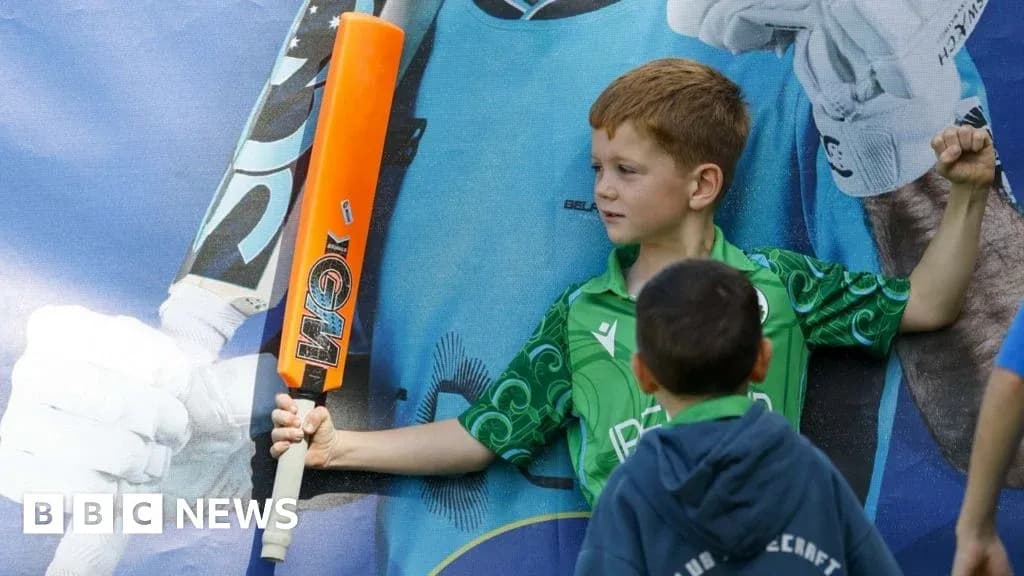
Stormont spent the summer heaving. New Zealand in a Test, India in one-dayers, Afghanistan in T20s – international cricket finally felt at home in Belfast.
And yet the city’s first professional cricket franchise, the Belfast Wolves, have not faced a single ball there.
They exist on screens, in social clips, in conversations between young players who dream of pulling on the shirt. For now, the Wolves are a travelling show – founding members of the new European T20 Premier League (ETPL), playing their entire inaugural campaign in Dublin and the Netherlands.
No home ground. No local roar. But plenty of ambition.
Building a club that doesn’t yet come home
The idea sounds almost upside down: create hype for a Belfast team that Belfast has never actually seen.
Those behind the Wolves insist it can be done. The franchise’s backers are pouring energy into the badge, the colours, the identity – anything that can take root before a ball is bowled at Stormont in Wolves colours.
They hope that changes next year. Until the logistics fall into place, the work is off the pitch.
Claire Hughes, from the En2End sports fan engagement agency, has seen this sort of challenge before. She believes the early buzz is achievable, even without a home base.
She points to the modern playbook: strong personalities, heavy broadcast exposure, and storytelling that makes a team feel familiar long before it walks out in front of its own supporters.
But she draws a clear line between noise and belonging.
Creating “initial hype” is one thing. Building “genuine, lasting fandom” without a physical presence, shared matchdays and local rituals is far tougher, she warns. Without those shared experiences, it becomes harder for people in Belfast to feel the team is truly theirs.
That is where the Wolves must get creative. Hughes sees scope in community programmes, grassroots coaching, fan events, live screenings, local business partnerships and turning players into recognisable figures in the city. Matchday rituals can start in pubs and parks before they ever reach a stadium.
The real test? Turning the word “Belfast” on the shirt into something that feels like Belfast in the stands.
Young talent watching – and waiting
For players on the Northern Cricket Union’s talent pathway, the Wolves are more than a logo. They look like a future.
Harry Dyer, 20, and 19-year-old Adam Leckey are part of the NCU’s development programme. They see the Wolves as both inspiration and opportunity – and they are watching closely.
Harry feels the buzz, but he is blunt about what comes next.
Home games, he says, will be crucial. Give the team a proper base in Belfast, give them the facilities that have been talked about, and he believes younger kids will latch on quickly. That is when the Wolves become “their team”.
He also knows what sells. T20 cricket is short, loud and relentless. It fits modern attention spans. It feels like a night out as much as a sporting contest.
For him, the ETPL is not just a schedule of fixtures. It is “an event”, a show built around the cricket – closer to The Hundred, with its DJs and entertainment, than to a long, slow county afternoon. That kind of package, he thinks, could pull in new faces who have never watched a ball before.
Adam has already followed the Wolves on their travels, watching them in the Netherlands. He wants to see the same players, the same colours, in his own city next year.
He knows where cricket currently sits in the local sporting pecking order. Behind football. Behind rugby. Behind hockey, too.
“Barely anybody plays cricket,” he admits. A strong, visible Wolves franchise, he believes, could change that, nudging the sport out of its niche and into the mainstream of Northern Ireland’s summer.
‘Family, fearless and fun’
Inside the franchise, the messaging is sharp and deliberate.
Chief executive Neil Maxwell talks about tapping into an existing seam of passion for cricket in Northern Ireland. It is there – Stormont’s summer proved it – and the Wolves want to attach themselves to it.
The club’s chosen catchcry is “family, fearless and fun”. Three words that tell you exactly how they want to be seen.
Maxwell’s vision stretches beyond ticket sales and merchandise. He talks about connection – with audiences, with fans, with the broader community – and about leaving something that lasts.
A proper legacy, as he sees it, would be helping to grow the game in the region, not just parachuting in for a few weeks each year and disappearing with the trophies and TV trucks.
NCU sees ‘opportunities, not challenges’
The Northern Cricket Union, which governs the game across Antrim, Armagh, Down and part of Tyrone, has nailed its colours to the Wolves mast.
The NCU has entered into partnership with the franchise, sharing the hope that the Wolves can become “a source of pride and inspiration for young cricketers” in the region.
Chief executive Callum Atkinson is clear-eyed about the obvious problem: a new team with no home fixtures.
He calls the Wolves “a significant opportunity” but accepts that the absence of home games is a major consideration as the club tries to establish itself.
Every new franchise, he says, has its own mix of chances and complications. For the Wolves, one of the biggest tasks is explaining what the ETPL actually is. Franchise cricket remains a relatively new idea for many in Northern Ireland.
That, in his view, opens a door. A new competition, new teams, new formats – all of it can be used to pull fresh audiences towards the sport and forge new connections with cricket.
For this first season, Atkinson frames the priority as simple: get the competition up and running, make sure it works, and plant the seeds.
He prefers to see “opportunities rather than challenges”. Northern Ireland’s sporting calendar gives him reason to be optimistic. The region has a strong sporting culture, but comparatively few major events in the summer months.
That gap is where the Wolves hope to live.
If they can turn a roaming brand into a rooted club, if they can walk out at Stormont next year to a crowd that already cares, Belfast might just find itself howling for cricket long before the first ball is bowled.