.svg&w=384&q=75 "logo")
Wasim Akram’s Warning on Pakistan's Batting Decline

Wasim Akram has seen enough. For Pakistan’s greatest fast bowler, the alarm bells that should have been ringing for years are now deafening.
Speaking in Lahore, Akram tore into Pakistan’s Test cricket decline, pinning the blame squarely on a barren batting pipeline and a domestic structure he believes has been chopped and changed without any real plan.
Bangladesh defeat was the red flag – and ignored
Pakistan’s home-and-away Test series defeat to Bangladesh, he argued, should have been the moment the system stopped, took stock, and changed course.
It wasn’t.
“That series should have forced immediate corrective measures,” he told reporters, making it clear that what followed looked far too much like business as usual. The losses, in his view, were not just bad days at the office. They were a symptom of a deeper rot.
For Akram, the most worrying part is not just the defeats themselves, but what they reveal: a country that once churned out instinctive, fearless stroke-makers now struggles to produce a single top-class Test batter.
A decade of PSL, but where are the batters?
The Pakistan Super League has been running for 10 years. It has unearthed quicks, mystery spinners, impact players in white-ball cricket. Akram’s question cuts through all the celebration around it.
“It has been 10 years since the PSL started, but has a single batter been produced by the PSL?” he asked. “Yes we have produced a few bowlers but tell me have we produced any noteworthy batting talent.”
The numbers back his frustration: Pakistan’s Test top order has been in constant flux, with players shuffled in and out while the same technical flaws keep resurfacing. For Akram, that isn’t a coincidence. It’s a production-line failure.
He accepts Pakistan remain competitive in white-ball formats. The problem, he insists, lies in the longer game, where technique, temperament and discipline are exposed over days, not overs. His verdict on the current state of Pakistan’s Test cricket was blunt: “bad”.
Looking across the border for a model
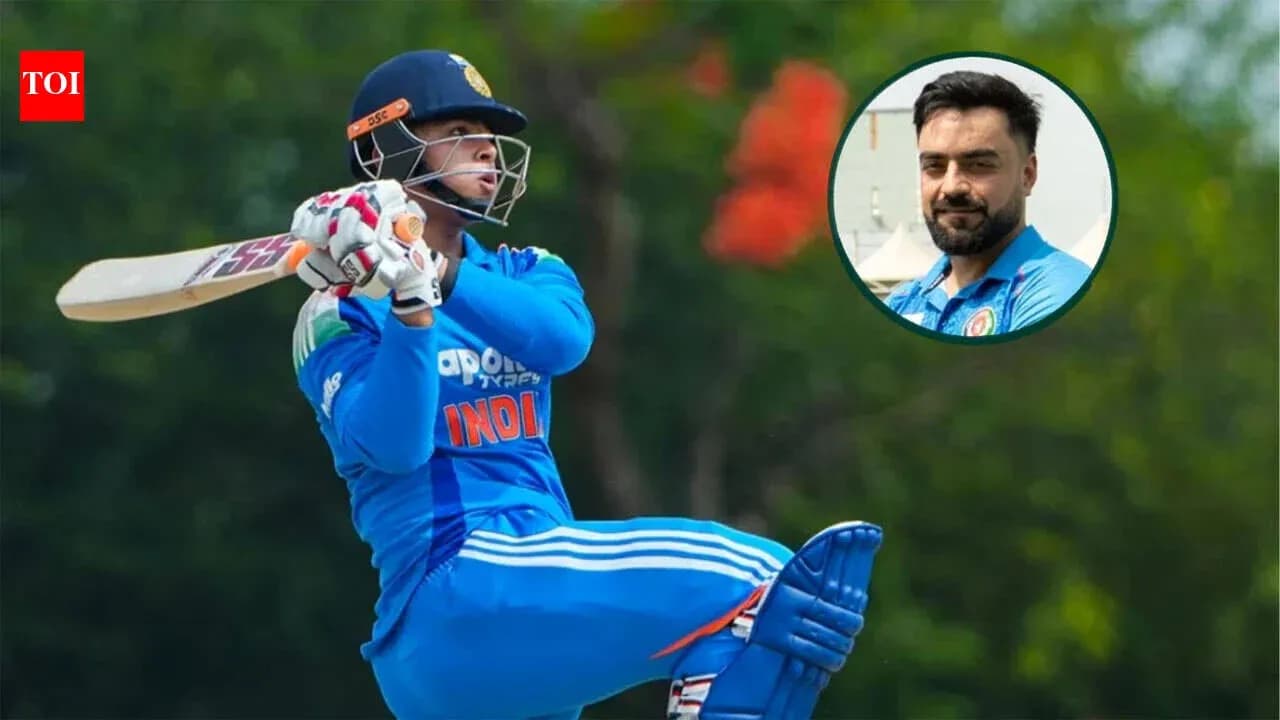
To underline his point, Akram referenced the emergence of a 15-year-old batting prodigy in India, an apparent nod to Vaibhav Sooryavanshi. The age alone was the message.
“I think when we produce a batting talent like the 14-year old then we will see improvement coming through,” he said, using the teenager as a symbol of what Pakistan lack: a young, high-ceiling batter groomed early, backed properly, and technically sound.
The comparison stings. India can point to a conveyor belt of young batters ready to step into international cricket. Pakistan, Akram suggests, are still searching for the next genuine Test-quality top-order player.
Coaches are not miracle workers
Names swirl around every time Pakistan struggle: new head coach, new backroom staff, new direction. Akram is unimpressed by the obsession with who sits in the dressing-room hot seat.
Whether it is him, Gary Kirsten, or anyone else, he argued, the core problem remains the same: “the coach would still be working with the same pool of players.”
Change the man in the tracksuit as often as you like, Akram implied, but nothing shifts until the system starts producing better cricketers. That, he believes, demands patience rather than panic.
He wants the Pakistan Cricket Board to commit to a domestic structure and stay with it for three to four years. No knee-jerk overhauls. No tearing it up after one bad tour. “Patience and long-term planning” are not buzzwords for him; they are the only way out.
‘Revive club cricket’ – the foundation he believes is broken
Akram did not spare his own emotions. He admitted he is as disappointed as any Pakistan fan watching the Test side stumble.
His solution starts at the very bottom.
“Club cricket needs to be revived if we want improvement in red ball cricket,” he said, urging the PCB to invest heavily at grassroots level. He even put a figure on it: 100 million rupees each in Karachi and Lahore.
The reasoning is simple. For him, real talent doesn’t emerge from glossy leagues or short-term trials. It comes from club grounds, long days in the sun, and thousands of balls faced and bowled before a player ever sees a TV camera.
Selection churn without answers
Another of his frustrations lies with selection. Pakistan have cycled through players in the Test side, but Akram sees motion without progress.
He pointed out that there is constant rotation, yet the same core issues remain. The faces change, the problems don’t. “There should be consistency in the team,” he argued, but instead players “just keep coming and going.”
To him, that signals confusion rather than strategy. Without a clear plan, Pakistan risk burning through careers while never giving anyone the time or stability to grow into the demands of Test cricket.
England tour: technical flaws laid bare
The current Test series in England has only hardened his stance.
Akram zeroed in on Pakistan’s batting approach against the home attack. His criticism was specific and technical: batters not moving their front foot, playing bowlers like Ollie Robinson while rooted in the crease.
“In England in the ongoing series they didn't move their front foot forward,” he said. Against seam and swing in those conditions, that is a fatal mistake. For Akram, this isn’t just about bravery. “You need to play with courage, but for that, talent is essential.”
Courage without technique gets exposed in England. He has seen it all before, and he knows how unforgiving those pitches can be.
Fast bowlers: pace is not enough
If anyone has the right to talk about fast bowling standards, it is Akram. Yet even here, where Pakistan still claim rich resources, he urged restraint.
He dismissed the obsession with the speed gun. Bowling one delivery at 150 km/h, he said, “was no big deal.” The real test is whether a quick can sit around 140 km/h through an entire day, spell after spell, while maintaining control.
He urged caution around the hype surrounding Pakistan’s new crop of fast bowlers. Let them play, he insisted, before crowning them the next big thing. Raw pace alone does not build a Test career.
Shaheen, Akif and the questions of selection
Shaheen Afridi inevitably entered the conversation. Akram described him as an experienced bowler and made it clear he could not understand why Shaheen’s pace had dipped, or why he was not in England.
In his view, a bowler of Shaheen’s stature should have been on that tour, learning, adapting, and leading.
Akram also mentioned Akif Javed as someone he would have liked to see given a chance. “If it were up to me, I would have asked for Akif Javed, as he bowled well recently in England,” he said, pointing towards recent form in local conditions as a strong enough case.
His comments underline a tension between promise and opportunity. Pakistan have options, but the path from domestic performances to Test caps remains uncertain and, in his eyes, inconsistent.
A long-term fight, not a quick fix
Akram’s words land at a time of mounting concern over Pakistan’s Test future. Results are poor, the batting cupboard looks thin, and the domestic system keeps being tweaked without clear payoff.
He is not calling for another revolution. He is calling for something harder: patience, investment, and a willingness to let a structure breathe.
The question now is whether Pakistan’s cricket leadership will listen to one of their greatest voices and commit to the slow, often painful work of rebuilding – or whether the cycle of short-term fixes and long-term disappointment will roll on into another generation.