.svg&w=384&q=75 "logo")
Tilak Varma's Role in India's T20I Selection Dilemma
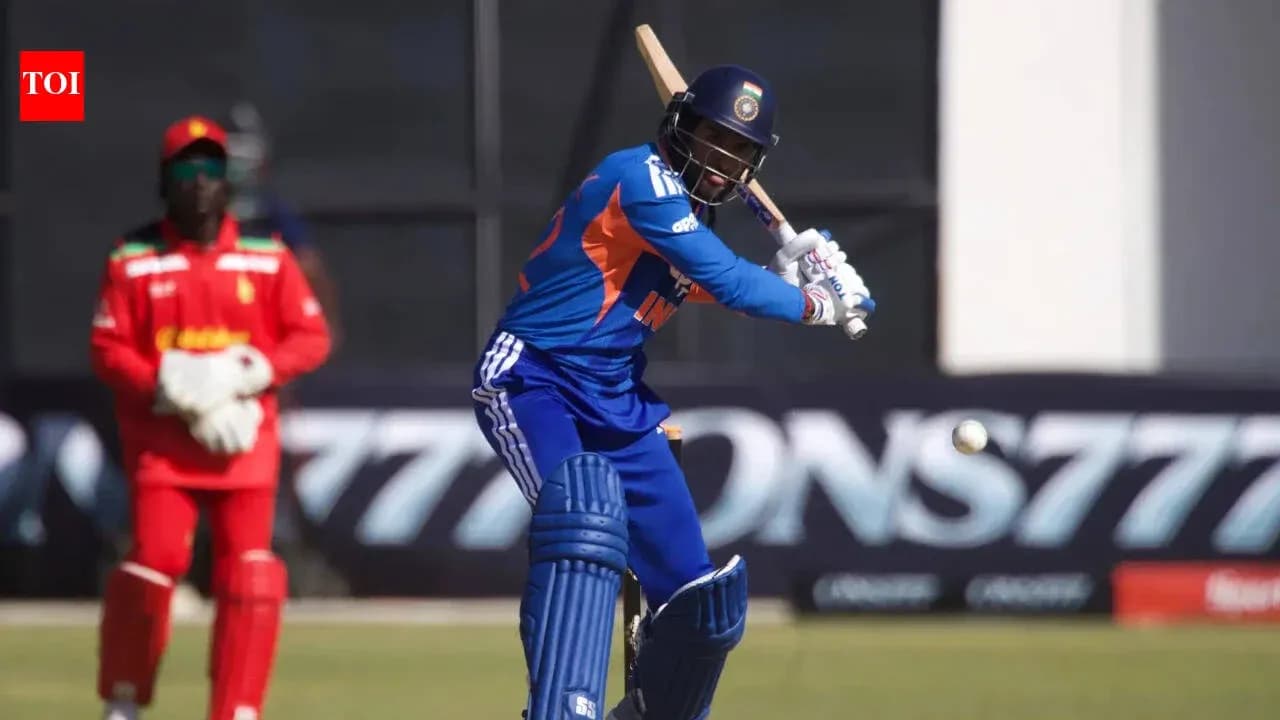
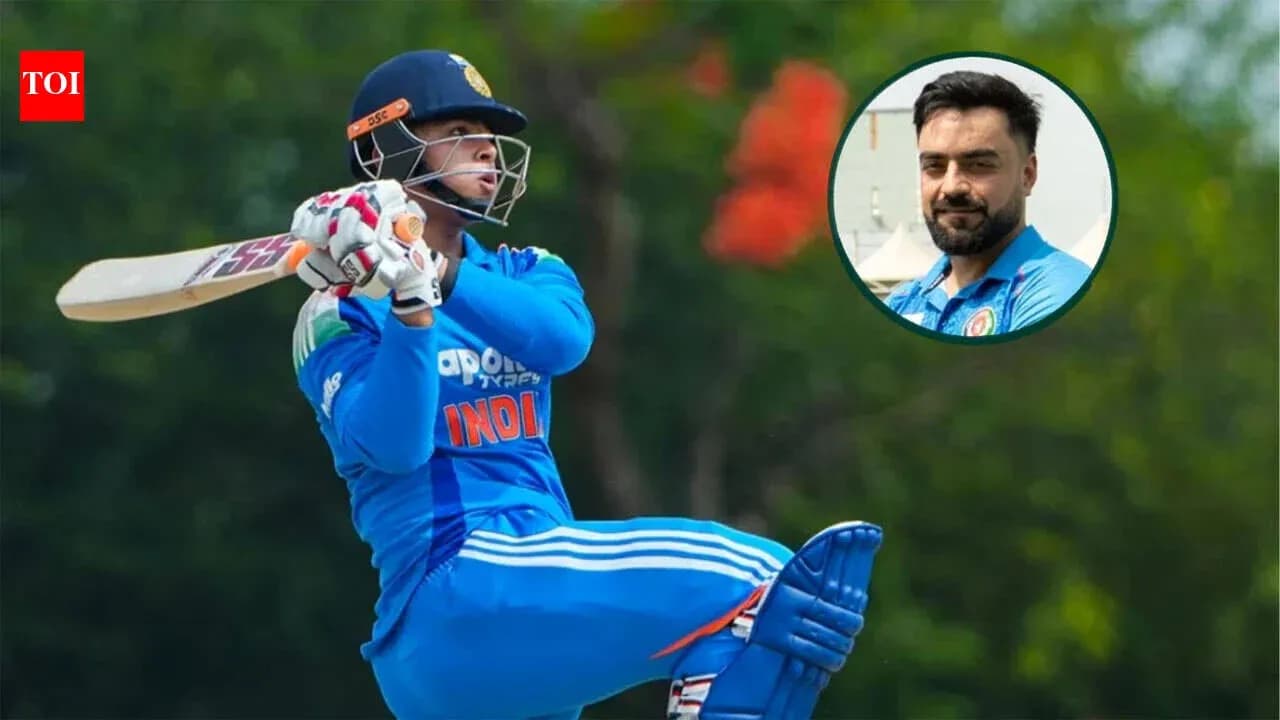
India’s latest quest for stability in T20I cricket resumes against Afghanistan, but the real contest may begin long before the first ball is bowled. It starts in the team meeting room, with a whiteboard full of batting options and one name circled in red: Tilak Varma.
The vice-captain’s role remains blurred. His numbers are loud. His place, less so.
A world champion side still searching for rhythm
India arrive at this three-match series in an oddly unsettled state for a team that has just won back-to-back T20 World Cups.
Under Shreyas Iyer, the side stumbled badly in the immediate aftermath of that triumph, losing all six T20Is against Ireland and England. Only a 3-0 sweep of Zimbabwe offered some breathing space and a hint of momentum.
Now comes Afghanistan, starting September 13, followed by a historic T20I against Japan and then the Asian Games 2026. It is a packed schedule, but also a rare stretch where India can experiment and still be judged on how they shape up, not just on what the scoreboard says.
That is where Tilak Varma’s conundrum grows sharper.
AB de Villiers spots the fault line
From afar, one of the modern game’s most astute batting minds has already sounded the alarm.
AB de Villiers, speaking on his YouTube channel, looked at India’s squad list and saw trouble brewing in the top and middle order. Not because of a lack of talent, but because of too much of it and too little clarity.
“There will definitely be some selection issues with regard to the batters. Obviously, Shreyas, captain, Ishan Kishan, Samson, Sooryavanshi, and then there are all-rounders, Tilak Varma; I think that’s where the balance is quite tricky. Where will he bat?” de Villiers said.
That question cuts straight to the heart of India’s planning. Tilak is not fighting to prove he belongs in international T20 cricket. He is fighting to prove where he belongs.
Big numbers, awkward context
On paper, Tilak’s recent returns are impressive.
Since the 2026 T20 World Cup, the left-hander has piled up 255 runs from 10 innings at a strike rate of 159.36. Three of those knocks have gone past fifty. Those are the kind of figures that usually cement a role rather than complicate it.
Look closer, though, and the story frays a little.
One of those half-centuries came in the recent Zimbabwe series, a tour where India dominated and the pressure never quite reached boiling point. Another arrived in the fifth T20I against England, a dead rubber with the series already gone. The runs still count, but the context shifts how they are read.
Across the broader stretch of matches, Tilak’s form has swung between eye-catching and erratic. His tour of the UK was particularly rough, and the inconsistency has lingered despite those occasional, headline-grabbing scores.
So instead of locking down a spot, his performances have turned his batting position into one of the main talking points heading into the Afghanistan series.
Too many options, not enough roles
India’s batting reserves are deep. Shreyas Iyer, Ishan Kishan, Sanju Samson, Abhishek Sharma, Vaibhav Sooryavanshi – all jostling for space in a top order that cannot stretch to fit everyone. Add the all-rounders to the equation, and the squeeze becomes brutal.
For de Villiers, the issue is not simply about picking the best players on form. It is about building a batting order where every player knows exactly what is expected of him.
“Really, really strong squad, but the balance will be tricky to figure out. It is T20 cricket, so they can play around with the squad a little bit. There are different roles, but the role clarification will still be incredibly important for India, as they are playing quite a dangerous team,” he said.
Afghanistan are no longer a novelty act in this format. They are a threat. They bowl with bite, field with edge, and punish any hesitation in selection or strategy. This is not the opponent against whom India can afford to drift through combinations without a plan.
The Tilak question India must answer
So where does Tilak Varma fit?
Is he a powerplay aggressor, taking on the new ball and setting the tempo? A middle-overs manipulator, threading gaps and targeting spin? A finisher, walking in with 30 balls left and license to swing?
Right now, he has been asked to do a bit of everything at different times. That versatility has kept him in the XI, but it has also blurred his identity. For a vice-captain in a format defined by clarity and roles, that is a dangerous place to be.
The Afghanistan series offers India a chance to draw a line. To decide whether Tilak is a pillar around which they build, or a flexible piece they move to plug gaps.
Under Iyer, India’s next phase in T20Is will not be judged only by results against Afghanistan, Japan, or at the Asian Games. It will be judged by how many of these questions they stop asking.
And none looms larger right now than this: is Tilak Varma a floating talent in a crowded order, or the fixed point around which India finally find their T20 rhythm?