.svg&w=384&q=75 "logo")
Sophia Dunkley scores ruthless hundred in England's series sweep
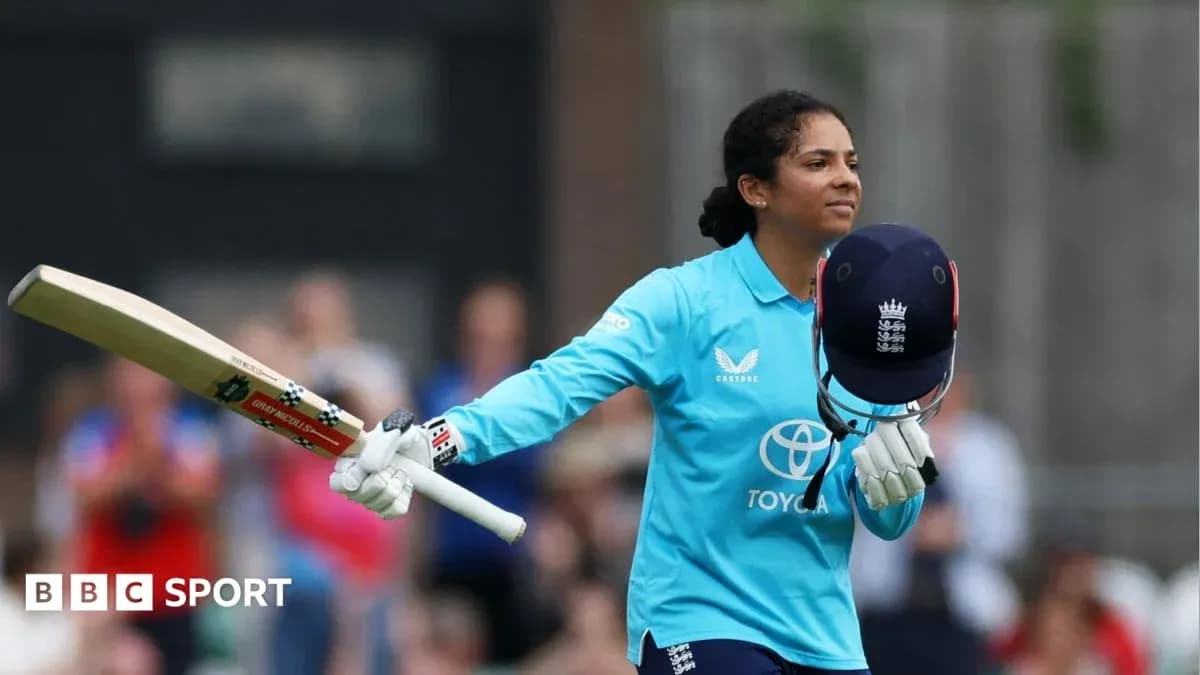
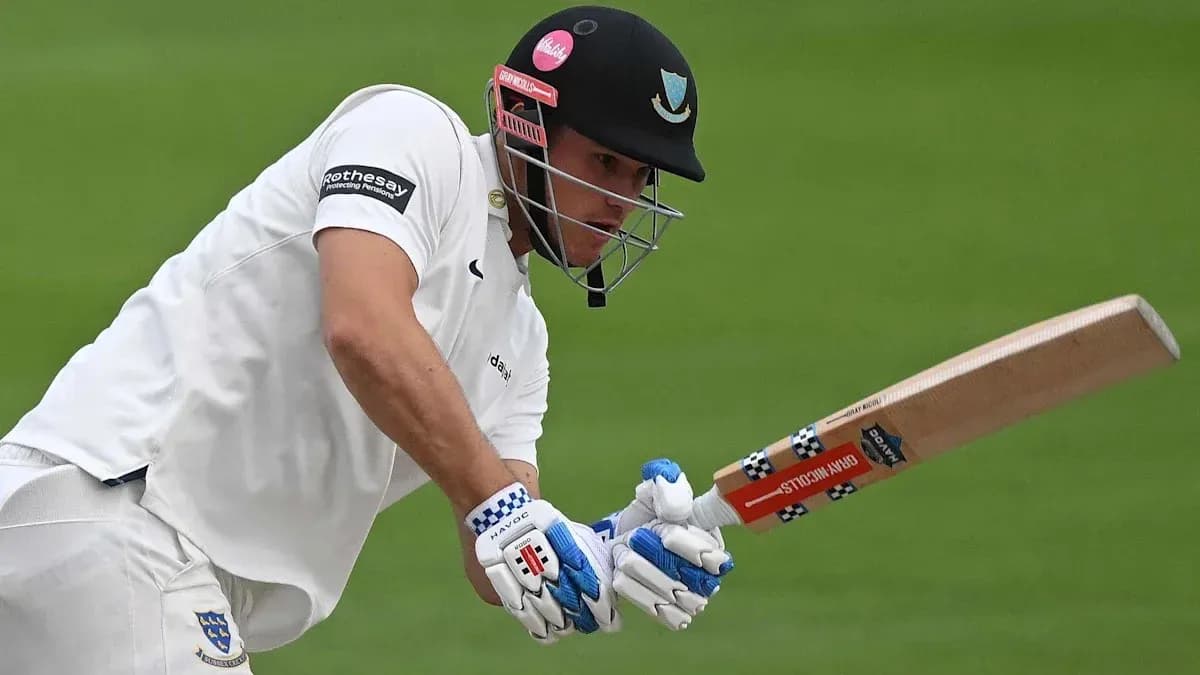
On a cool Worcester afternoon, with England’s international summer ticking towards its close, Sophia Dunkley played the sort of innings that changes conversations.
A run-a-ball 119, crisp and calculated, powered England to 291 and set up a 114-run win over Ireland at New Road. It sealed a 3-0 series sweep for Charlie Dean’s side and, more importantly, gave England’s reshaped top order a statement to point to when the Ashes talk inevitably begins.
Dunkley and Bouchier seize the moment
This has been a curious series for England. No Lauren Bell. No Sophie Ecclestone. No Nat Sciver-Brunt. Rested stars, experimental line-ups, and a format that England barely get to touch between global tournaments. Yet out of that muddle, an opening partnership has started to take shape.
With Tammy Beaumont retired from ODIs, the vacancy at the top of the order felt significant. Dunkley and Maia Bouchier have filled it with intent. Each has made a century in this series; on Saturday, it was Dunkley’s turn to dominate.
She began quietly. Bouchier, in the form of her young international life, bossed the early strike and stroked 39 in another fluent start. Together they put on 73 for the first wicket, a stand that settled England before the real acceleration came.
Dunkley reached her fifty from 63 balls, watchful and measured. Then she changed gear. The next fifty took just 37 deliveries as she unfurled drives through the off side and whipped anything straight or leg-side with authority. For a player long tagged as leg-side dominant, this was something different: an almost even split of runs on both sides of the wicket, a fuller, more rounded version of her game.
Ireland tried to bounce her, pushed fielders back, packed the sweepers. Dunkley kept threading gaps, kept England moving. When she finally fell in the 36th over, brilliantly caught by Orla Prendergast at deep square leg, she walked off having built the kind of innings that anchors a series, not just a scorecard.
Middle-order promise, late-innings stumble
Behind her, England’s batting told two stories.
Jodi Grewcock again hinted at why she has been handed an opportunity in this experimental window. She made 35, only to give it away with a caught-and-bowled when well set. Alice Capsey’s dismissal was harsher: run out backing up for 10, a slice of misfortune in a series where she has been asked to juggle bat, ball and the wicketkeeping gloves.
At 260-4, England looked on course for something monstrous, eyeing a record total. Freya Kemp and Dani Gibson had the licence and the power to launch. Kemp struck 23 and seemed ready to explode, but her dismissal – caught at long-on – triggered a collapse that stripped the gloss from the score.
From 260-4, England lost six wickets for 31 runs and were bowled out in 48.5 overs, with seven balls left unused. Only seven boundaries came after Dunkley’s exit. Gibson still battled through to an ODI-best 41, but the innings lost its shape and its menace.
Ireland deserved credit for that. Leg-spinner Cara Murray led the fightback superbly, finishing with 4-56. She dragged the ball into awkward lengths, forced mistakes and never allowed England’s lower order to bully their way to 320 or beyond.
Yet even with that late wobble, 291 always looked imposing on a surface where stroke-making never felt entirely straightforward.
Filer and Villiers shut the door
Once the new ball was in England’s hands, the gulf between the sides widened again.
Ireland needed a fast, fearless start. They never found it. Amy Hunter top-scored with 39, showing glimpses of the timing and composure that mark her out as a long-term pillar of this side, but she lacked a partner able to match the tempo required.
No Irish batter finished with a strike-rate above 100. As the overs slipped away, the asking rate crept from steep to impossible. England’s bowlers didn’t need to produce magic; they just needed to be relentless. They were.
Lauren Filer, with her extra pace and heavy length, ripped out three wickets for 27 and kept Ireland pinned. Mady Villiers matched her with 3-… wickets of her own, using flight and subtle changes to keep the batters guessing. Between them, they made sure this chase never threatened to become a contest.
Ireland were finally bowled out for 177 in 44.2 overs. The margin – 114 runs – told the story of a series in which bat and ball rarely felt evenly matched.
Answers found, questions parked
For England, this ODI series has existed in a strange pocket of the calendar. The autumn schedule remains unconfirmed. Their next home ODI will be in the Ashes next summer. Before that, they will head to the Champions Trophy in February, with a planned multi-format series against West Indies and three ODIs against Sri Lanka still waiting for dates.
In such a stop-start landscape, every 50-over outing matters. They are rare chances to test combinations, to give fringe players like Grewcock and Tilly Corteen-Coleman meaningful time in the middle, and to search for stability in a format that has drifted to the margins of the women’s calendar.
This series has not provided a perfect simulation of what awaits against Australia. Ireland’s attack, honest and willing, simply does not mirror the intensity and depth that an Ashes brings. No one inside the England dressing room will pretend otherwise.
But you can only play who stands in front of you. Across these three games, Dunkley and Bouchier have done exactly that, and in doing so have calmed at least one of Charlotte Edwards’ headaches at the top of the order.
Sciver-Brunt will walk straight back into number three. The question of whether Capsey continues with the gloves ahead of Amy Jones will linger. The late-innings stutter here will not be ignored in analysis meetings.
Still, as England’s summer closed at New Road, the image that lingered was Dunkley raising her bat, then opening her shoulders, then driving through the off side like a player who has worked something out.
In a format starved of fixtures and clarity, that kind of certainty is gold.