.svg&w=384&q=75 "logo")
Sophia Dunkley’s Century Highlights England's Innings Against Ireland
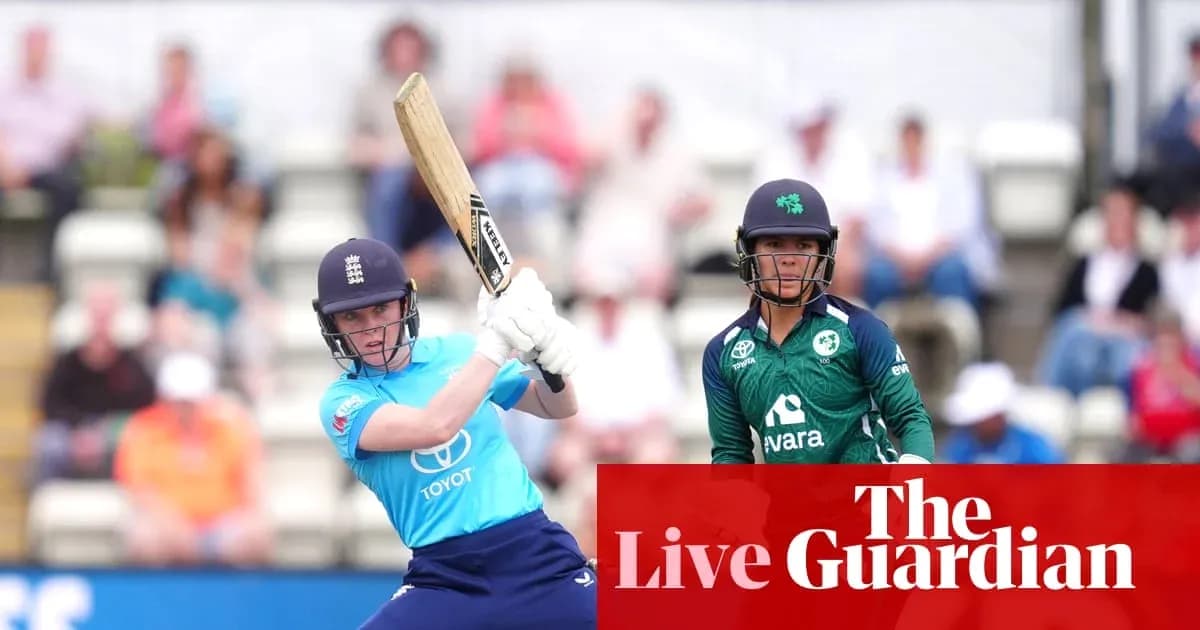
Sophia Dunkley’s hundred lights up New Road as England pile on the runs against Ireland, but a late wobble drags the innings back into human territory.
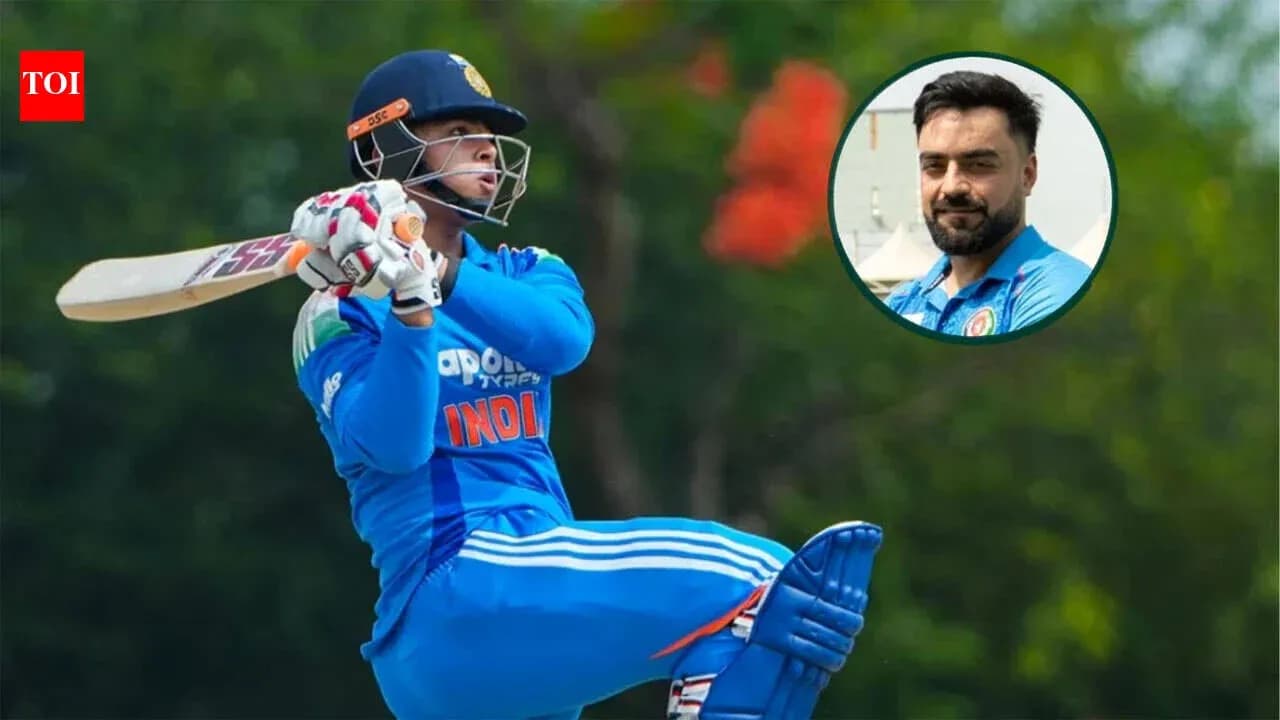
On a green-tinged outfield freshened by overnight rain, Dunkley built something far more substantial than the surface suggested. She started slowly, almost stubbornly so, then grew into an innings that ended as a statement: 119 from the No 3, her second international century and the commanding spine of England’s total.
Dunkley takes control
By the 29th over, the mood had shifted from watchful to ruthless. Grewcock nudged a single, Dunkley adjusted her helmet strap, then swayed under a not-quite-short ball from Cara Murray. The next delivery she pulled for four to move to 99, and a clipped single took her to three figures from exactly 100 balls. Helmet off, bat raised, a brief punch of the glove. No wild celebration, but the emotion showed. This was dominance, built brick by brick.
She had already begun to accelerate. A slower ball from Arlene Kelly was launched back over long-off, then a drag into the leg side pushed her into the 90s. By the time she reached 85, she had carved 11 boundaries, driving and cutting with authority, dragging Ireland’s bowlers away from their plans and into damage limitation.
Around her, England ticked along. At 24 overs, they were 141 for one, Grewcock finally breaking a long wait for her first boundary with a classical on-drive, then Dunkley thrashing another four off the back foot. By the halfway stage at 25 overs, England were 146 for one and “sailing away”, the crowd at New Road settling in for a long afternoon of leather chasing.
Grewcock played her part with 35, growing more assured as she went. She checked a drive for four in the 30th over, holding the pose, looking every inch a player bedding into international cricket. Then, just as she seemed to have the measure of things, she shuffled into position against Murray and pushed a simple return catch back to the bowler. Gone for 35, England 183 for two, and a promising stand broken.
Capsey’s rotten luck, Kemp’s arrival
Alice Capsey barely had time to settle. She came in as wicketkeeper, eased herself in with singles, and helped nudge England towards 200. Then came the kind of dismissal that makes batters stare at the big screen in disbelief.
Dunkley drilled McCartney straight back. The bowler, in big sunglasses and a long ponytail, stuck out a desperate hand. The slightest touch on the ball, and it ricocheted into the non-striker’s stumps with Capsey short of her ground. Run out for 10, England 200 for three, and Capsey trudging off with the air of someone who had done very little wrong.
Dunkley kept going. A reverse sweep off Murray brought three; England moved to 210 for three in the 35th over, Freya Kemp announcing herself with a majestic cut for four after a slip on the boundary. It felt as if Ireland were clinging on.
Then, just as Dunkley eyed a first six, the innings flipped.
On 119, she went for the big one off Laura Delany’s replacement, Ava McBride. It was a beautiful strike, aimed high over deep midwicket. Instead, she picked out Orla Prendergast, Ireland’s tallest fielder, who balanced herself on the rope and held the catch with calm assurance. England 214 for four. A brilliant, entertaining, foot-down knock ended in full attacking mode.
Ireland hit back late
With Dunkley gone, Ireland finally found some grip in the game.
McBride tightened things up. Her spell closed with one for 53 from 10 overs, a tidy return on a day when England’s batters had often dictated terms. At 38 overs, England were 228 for four; at 40, they had crept to 242 for four, Ireland’s fielders still spilling the odd chance but just about keeping the rate under control.
Kemp, though, refused to retreat. She stood tall, then crouched low to whip Little through the covers for four, a shot that underlined her intent. By the 39th over she was 17, Gibson 10, and England’s younger middle order had the stage.
The pressure finally told on Ireland’s fielding again. A fumble at backward point allowed Gibson to cash in with a cross-batted four that flew over the infield and raced to the rope. With 10 overs left, England were 242 for four and eyeing something imposing.
The 41st over brought a hint of chaos. Kemp chanced the arm of the mid-off fielder and should have been gone, only to survive when the throw missed. Six singles off McBride kept the board moving, the sense growing that one more surge would break Ireland completely.
It came, briefly, from Gibson. She launched the first six of the innings, clubbing McCartney over long-off “like a caveman on an away day”, a brutal, decisive swing that underlined her growing confidence. She moved to 25, Kemp to 22, and England to 256 for four after 42 overs.
Then Murray intervened.
Kemp, on 23 from 21 balls, strode down and sent Murray miles into the sky. It looked destined for the stands. Instead, it dropped on the edge of the rope, where Gaby Lewis pulled off a superb catch at full stretch, reaching back over her shoulder and hanging on. A rapid, dangerous cameo cut short. England 260 for five.
Murray wasn’t done. In her next over she produced a double strike. Charlie Dean began with a flourish, shanking a full toss for four, but then nibbled at a generously flighted delivery, Hunter taking a neat catch behind the stumps. Dean gone for four. A few balls later, Villiers wandered down the pitch and lofted a gentle offering straight to deep midwicket, Lewis again the catcher. From 270 for six, England suddenly looked vulnerable, their late charge stuttering.
Gibson holds the line, Kelly’s farewell moment
At 44 overs, England were 268 for six, the rope temporarily out of reach as McCartney signed off with a disciplined final over to complete her 10. Gibson, on 30, had to reset. Villiers scratched two before her dismissal, and Ireland sensed one more opening.
Murray almost had it immediately. Villiers, attempting a reverse sweep first ball of a new over, nearly lost her off stump. She survived that, but not the temptation a few deliveries later. Her miscue brought MacDonald-Gay to the crease, and with her, a scrap for every run.
Gibson, though, refused to fade. She cut McBride for four in the 46th over, moving to 36, while MacDonald-Gay nudged and ran. Ireland reviewed a huge lbw shout against Gibson in the 47th, only for the decision to stay with the batter. A lost review, a lost chance. Gibson responded with style, ramping the final ball of the over for four, a deft, audacious stroke that lifted her to 41.
By now, Kelly was back with the ball, on her farewell appearance. England were 288 for seven when MacDonald-Gay decided to take her on. She heaved towards long-on, but it hung in the air and turned into a parting gift: a straightforward catch for Murray. MacDonald-Gay gone for seven, England 288 for eight, and Kelly with a wicket to savour at the end.
England’s innings, once powered by Dunkley’s authority and bristling with late intent from Kemp and Gibson, had been dragged back by Ireland’s persistence and Murray’s crucial middle-overs spell. The runs were on the board. The question now was simple: had Dunkley given them enough?