.svg&w=384&q=75 "logo")
Somerset Dominates in Taunton While Leicestershire Seeks Redemption

Somerset walked out into drizzle and low cloud at Taunton, won the toss, and never looked back. On a morning made for seam, they sent Glamorgan in and squeezed hard, reducing the visitors to 80-4 by lunch and stamping their authority on a day that always looked like it would belong to the bowlers.
It did not happen instantly. The new ball nibbled, the conditions teased, but Somerset’s attack needed a spell to find its rhythm. Once Migael Pretorius hit his length, the tone of the session changed.
The breakthrough came with a flash of brilliance in the cordon. Asa Tribe nicked, James Rew flung himself low and to his side, and clung on to a superb diving catch that jolted Glamorgan and energised Somerset. Pretorius then followed up by removing Kiran Carlson, turning early promise into proper pressure.
Craig Overton joined in, targeting makeshift opener Mason Crane and ending his stay before he could bed in. Crane, pushed up to do a job, never looked comfortable, and Overton’s strike underlined Somerset’s grip on the morning.
Rain briefly cut across the contest, but the pause only delayed the inevitable. Back on, Lewis Gregory wasted no time in adding another key wicket, Colin Ingram edging into the slips to cap a near-perfect session for the hosts. Glamorgan, four down in the gloom, were left clinging on, Somerset’s decision at the toss looking smarter with every ball.
Leicestershire’s rare opening at a fortress
Across at Trent Bridge, the weather toyed with Nottinghamshire and Leicestershire, but when the toss finally came, it fell Leicestershire’s way on a day when it really mattered.
For Leicestershire, this fixture carries more sting than it does for their wealthier neighbours. Years of watching Nottinghamshire lure away their best players has hardened the edge of this rivalry, even if the league table now shows the clubs on very different paths.
Trent Bridge has been a graveyard for Leicestershire’s red-ball ambitions. They have not won here since 1998, when they were surging towards the title. Now it is Nottinghamshire chasing back-to-back championships, while Alfonso Thomas’s side fight to stay afloat.
On a green, bowler-friendly surface, with the morning session washed away, winning the toss felt like a rare gift. Leicestershire grabbed it. Two significant batting reinforcements, Stephen Eskinazi and Ben Cox, returned to bolster a line-up that has too often been light on resistance.
Yet the challenge could hardly be tougher. Nottinghamshire, ruthless and in form, know these conditions, this ground, and this division. Leicestershire may have won the toss; they still have to survive the storm.
Lees and Beddingham steady Durham in the drizzle
At Northampton, Alex Lees and David Beddingham did what seasoned batters must do on a grey, awkward morning: they dug in, then pushed back.
Durham had wobbled early against Northamptonshire, slipping to 21-2 after a chaotic run out that summed up the tension. Lees turned Ben Sanderson into the covers and called Will Rhodes through. Rhodes responded, but he was never in the race. James Sales gathered cleanly and threw down the stumps, leaving Rhodes stranded and Lees staring in disbelief as his partner trudged off, bat juggling in frustration.
That could have unravelled Durham. It didn’t. Lees parked the mistake and began to rebuild with Beddingham, who is closing in on 1,000 runs for the season and batting like a man who knows it.
They survived the leg-spin of Yuzvendra Chahal without alarm, picked off the loose balls, and slowly shifted the mood. Durham’s 50 came up with the pair looking increasingly assured, Lees rotating the strike, Beddingham unfurling those fluent strokes that have defined his summer.
One shot, a florid slap through the covers for his seventh four, underlined his form and confidence in what is his final game for the county before heading home. By the time their stand reached 50 and Durham moved to 66-2, they had not just repaired the damage; they had taken control of a tricky passage of play.
The drizzle lingered, the floodlights glared against the gloom, but Lees and Beddingham stayed put. Durham, from early trouble, had found their anchor.
Warwickshire on top at Southampton
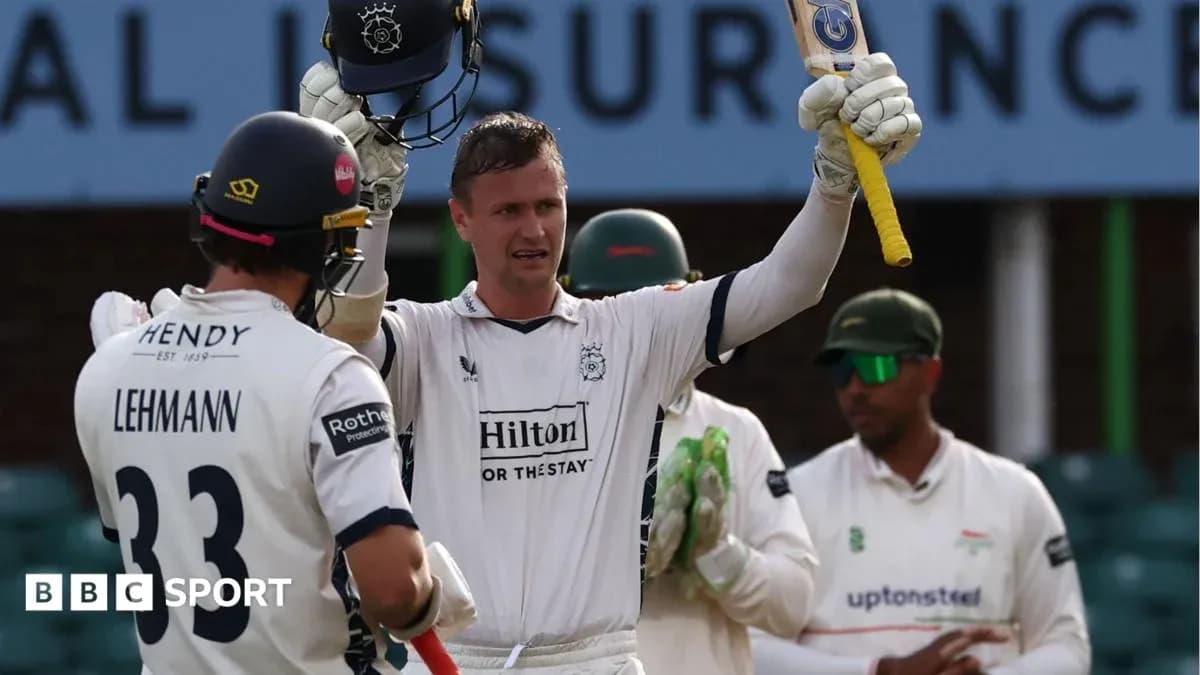
At the Utilita Bowl, Warwickshire made light of being put in. On a day when many captains looked to exploit cloud and moisture, Hampshire sent them to bat – and watched Rob Yates and Dan Mousley turn the session their way.
Will Young departed early, undone by an excellent delivery from Scott Currie, but that was as good as it got for the hosts before lunch. Yates and Mousley settled, absorbed pressure, and then quietly began to accumulate.
They were not flawless. Appeals came and went, Mousley needed a full-length dive to avoid being run out, and he almost steered one to leg slip just before the interval. Yet the key fact remained: they survived. By lunch, Warwickshire were 90-1, the partnership worth 76 and the initiative theirs.
Rain delayed the start, pushing the first ball back to 11:05, but only one over was lost with the extra half hour in hand. Threatening clouds still hovered, hinting at more interruptions, but Warwickshire had already banked a valuable morning on a day when time might prove scarce.
Sussex hit early trouble, then fight back at Chelmsford
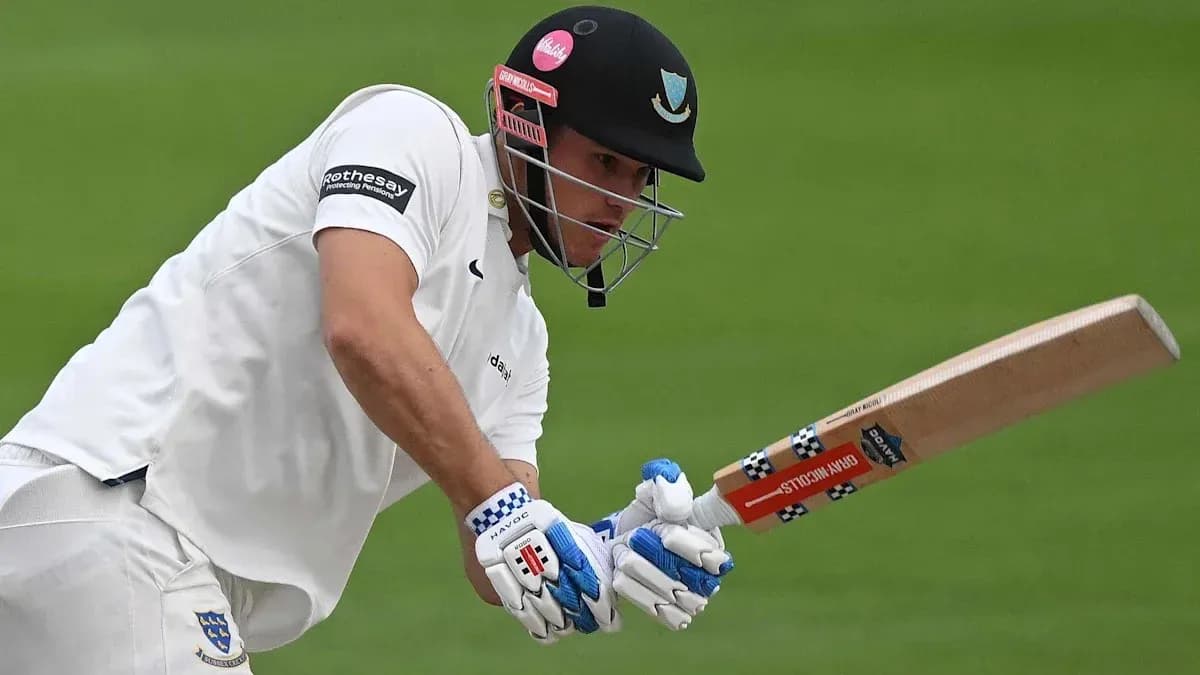
At Chelmsford, Sussex took a bold call and very nearly paid for it. They chose to bat under heavy cloud with drizzle in the air, and Essex’s new-ball spearhead Sam Cook pounced.
Within seven overs, Sussex had slumped to 7-2, Cook striking twice and exposing a top order that suddenly looked vulnerable on a morning tailor-made for seam. The decision to bat first, already questioned, started to look reckless.
Daniel Hughes and Charlie Tear refused to fold. Hughes, clearly hampered by what appeared to be a hip problem, gritted his teeth and dug in. Tear, young and unflustered, matched him for resolve. They absorbed Cook’s threat, rode their luck – Tear was dropped on 7 from a sharp chance to Matt Critchley in the gully – and slowly dragged Sussex away from the brink.
By lunch, at 62-2, Sussex had something tangible to cling to. The conditions remained bowler-friendly, the ball still misbehaved, but the early collapse had been checked. Essex had their chances; they did not take them all. Sussex, bruised but still standing, had earned that break.
Rain, frustration, and opportunity
Across the country, the weather dictated the rhythm. Only five matches found enough dry skies for play in the morning, leaving players, coaches and supporters staring at covers and radar maps as much as scoreboards.
Division One leaders Nottinghamshire could not get on at Trent Bridge, their push for another title forced to wait. Surrey and Yorkshire at the Kia Oval sat idle too, as did Middlesex and Lancashire at Northwood and Gloucestershire and Derbyshire at Bristol.
Where play was possible, teams tried to make it count. Kent moved to 90-2 by lunch against Worcestershire at Canterbury. Durham fought their way to 32-2 before Lees and Beddingham’s recovery took hold. Somerset and Warwickshire, in particular, sensed the opportunity and pressed hard.
On a stop-start day, with drizzle never far away, those who made the most of the brief windows of play may find, come the end of the round, that these damp, awkward sessions were where their seasons truly shifted.