.svg&w=384&q=75 "logo")
Sanju Samson's Stellar Performance: A Rebuttal in T20I
Mohammad Nabi shuffled to his left at long-off, eyes fixed on the ball as it dipped out of the Delhi sky. One more step and it was six. Instead, he sprang, slid his hands under the dipping leather and held on, millimetres to spare, body balanced just inside the rope.
He signalled ‘out’ to the umpire and to a circling Rashid Khan, who checked the landing, checked the rope, checked the turf. The confirmation came. Rashid wheeled away, celebrating his second wicket of the over.
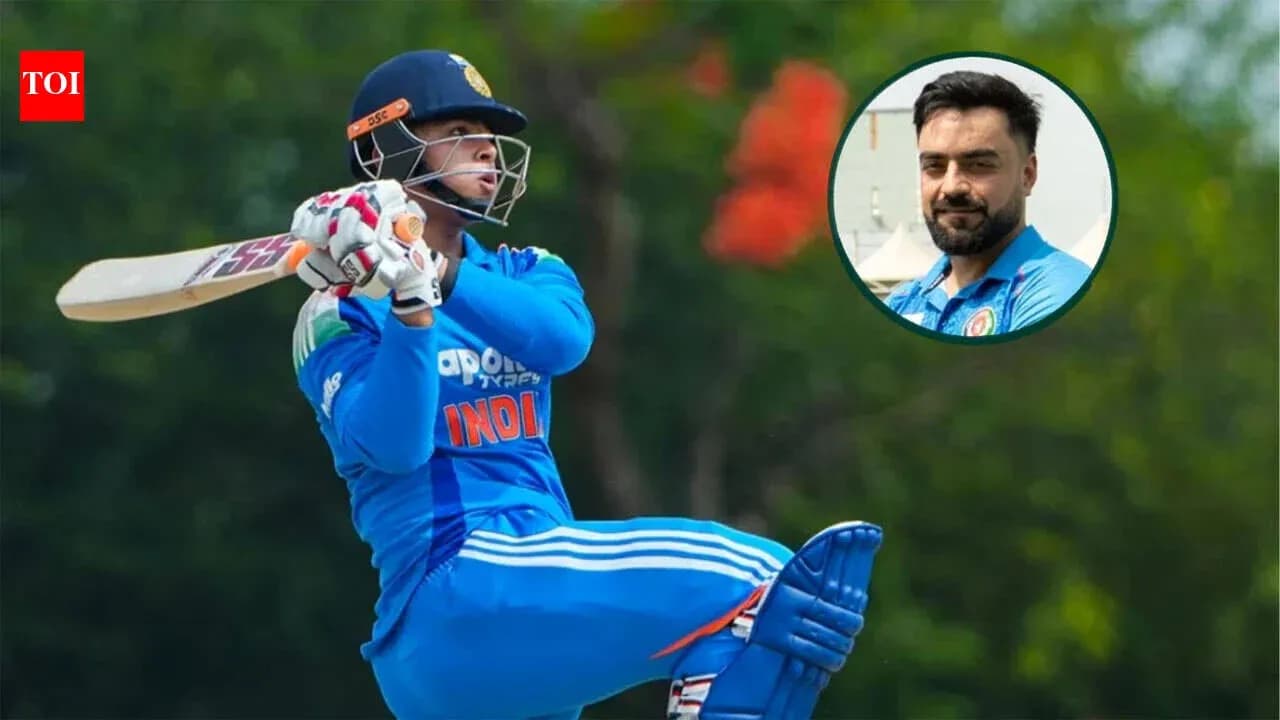
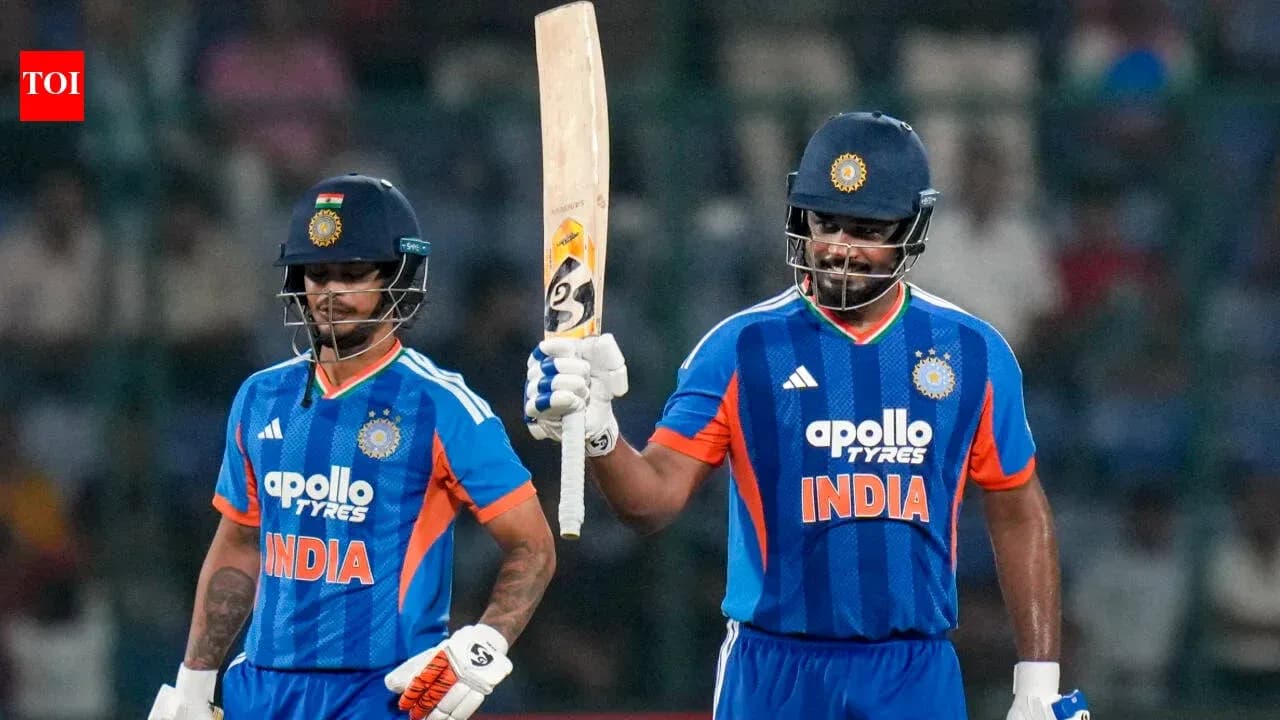
Sanju Samson turned and walked off, 57 from 22 to his name, seven fours, four sixes, and a statement smouldering behind the numbers.
Samson’s answer to the musical chairs
For Samson, this wasn’t just a cameo in a high-scoring T20I. It was a rebuttal.
In a relentless game of musical chairs with Vaibhav Sooryavanshi, he has often found himself the one left standing when the music stops. Fresh off a crucial role in India’s T20 World Cup triumph, he was dropped with little ceremony after one poor outing against Ireland. Sooryavanshi came in, struggled to ignite on debut, and the carousel spun again.
Samson returned for the final two T20Is against England, then watched the flight to Zimbabwe take off without him. In Harare, Sooryavanshi finally exploded, went hammer and tongs, and walked away with a Player of the Match award. The narrative shifted again. The noise grew louder.
Yet when Afghanistan arrived and the T20I series began, it was Samson who walked out to open with Abhishek Sharma. Ten in the first game. Questions sharpened. On Tuesday at the Arun Jaitley Stadium, he answered them with the bat.
A knock built on clean, ruthless striking
The numbers tell one story: 57 off 22, 52 of those runs in boundaries. The manner told another.
Azmatullah Omarzai and Mohammad Nabi took the brunt. Omarzai leaked 23 from 10 balls to Samson; Nabi went for 22 off just seven. The defining feature was not slogging or desperation. It was ease. The effortless way Samson kept clearing the in-field, as if the powerplay was a personal playground.
Omarzai’s first ball of the fifth over was overpitched. Samson drove on the up, sending it sailing over mid-on. The next delivery, short and drifting down leg, disappeared over fine leg. Omarzai went fuller again, only for Samson to throw his hands through the line and slash over cover; one bounce, into the hands of the volunteers beyond the rope.
The over ended with the most audacious stroke of all. A low full toss, converted with a full face of the bat. The ball cannoned into the stumps at the non-striker’s end and still had enough venom to beat the fielder and race away for four. It was the kind of shot that sums him up: timing, power, and just a touch of chaos.
Even Rashid Khan, Afghanistan’s trump card, felt the force. Samson took him for a four and a six, forcing a rare retreat from one of the game’s great T20 operators before the leg-spinner finally found a way through and the fielders could exhale.
Batting through the noise
Later, in the press room, Samson cut through the swirl around him with the same clarity he’d shown in the powerplay.
He spoke of keeping it simple: watching the ball, squeezing every run out of the fielding restrictions. The method stays the same, he said; the outcomes don’t always follow. And when they don’t, the scrutiny bites.
Being an Indian cricketer, he pointed out, means failures echo. They follow you. Social media, television panels, selection debates. That is where his experience, built over years of stops and starts, comes in. He tries to shut out the noise, keep attacking, maintain a high strike rate, even when he knows another failure will trigger another round of questions.
He knows the risk. He accepts it. He plays anyway.
Understanding the other side of the table
The debate around his selection has rarely been quiet. When Samson opened in the first T20I of this series and not Sooryavanshi, opinions split instantly. Kris Srikkanth argued Sooryavanshi wasn’t being treated properly. R Ashwin urged those in charge to understand the youngster’s position.
Samson, interestingly, didn’t push back. He leaned into the complexity.
He called it a “very challenging place” for everyone: captain, coach, selectors. Three players – himself, Sooryavanshi, Abhishek Sharma – all talented, all performing, all deserving of chances at international level. Someone always misses out.
He knows that feeling as well as anyone. As an IPL captain, he has sat on the other side of the table, weighing form, conditions, combinations, and then delivering the hard news. That experience has shaped how he handles his own selection battles.
His approach is pragmatic. Control what you can. Stay positive, even with those you are directly competing with. Outside, they are labelled rivals. Inside, they share a dressing room and a flag. The team’s win comes first; individual careers fall in line behind that.
He was blunt about the mindset he refuses to entertain: sulking, resentment, the “Yaar, mujhe nahi mila, usko kyun diya?” frustration that can poison a group. In his view, that has no place here. You stay ready, you wait, and when the door opens, you walk through it swinging.
Debate delayed, not decided
For one night in New Delhi, Samson did more than just walk through the door. He kicked it off its hinges.
His 57 off 22 didn’t settle the selection argument for good; India’s white-ball depth ensures that no one is safe for long. What it did, though, was stall the conversation, force a pause, and remind everyone why his name keeps returning to the team sheet, no matter how often it disappears.
The next squad announcement will tell its own story. Does this innings buy him a longer rope, or is it just another bright flash in a career still fighting for a permanent place in India’s most crowded room?