.svg&w=384&q=75 "logo")
Razaullah’s Debut Performance Unveils England’s Tactical Flaws
Edgbaston has seen its share of chaos over the years, but this was something different. A 21-year-old debutant, batting at number nine, turned a routine third-day march towards a clean sweep into a wild, disjointed scramble that left England’s brains trust under heavy fire.
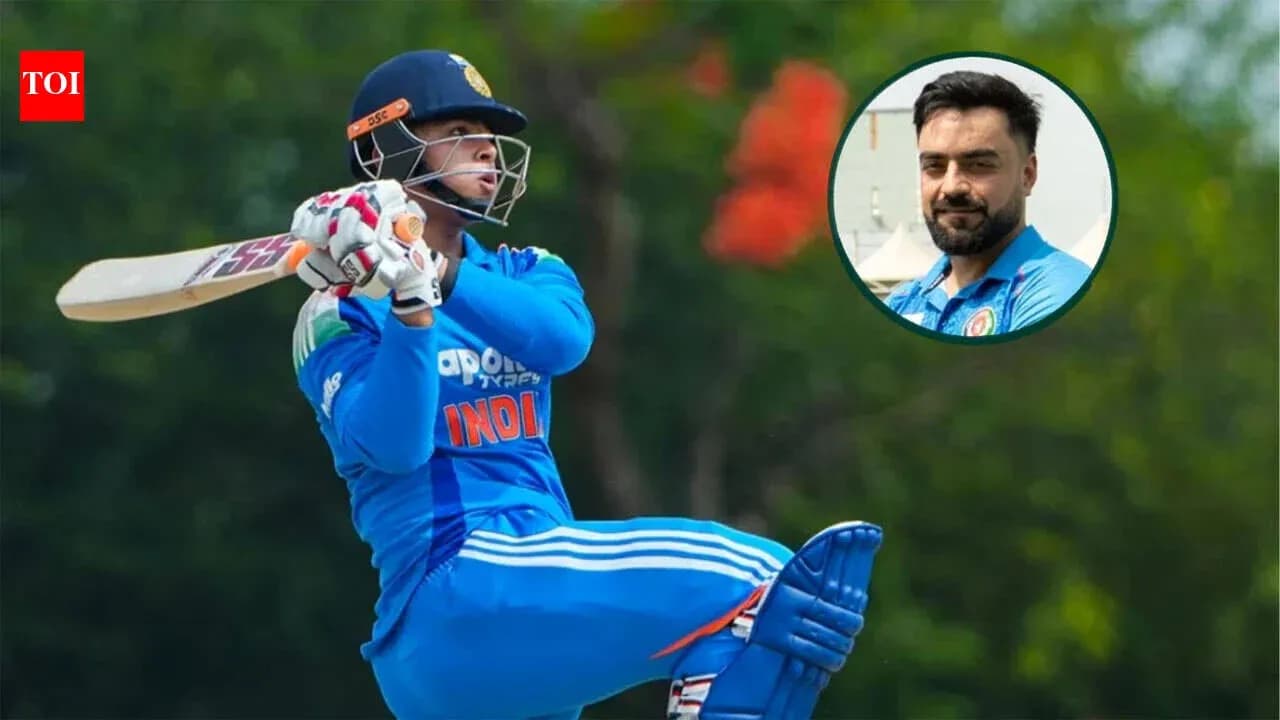
Razaullah walked in as a tailender. He batted like a superstar. Eighty-one from 63 balls. Nine sixes. Pakistan, seemingly dead, dragged to 453 all out and the series finale forced into a fourth day. England still need only 130 to win the Test and seal a 3-0 victory, yet the manner of the late-evening carnage reopened old wounds about Joe Root’s captaincy and the thinking behind him.
Alastair Cook, watching on for Test Match Special, did not bother with diplomacy.
“What I saw was no plan, it got out of control,” the former captain said, summing up a final session that veered from careless to downright bizarre. In his eyes, England had nothing coherent to throw at a young man swinging from the hip with licence and nerve.
Razaullah and Muhammad Abbas put on 121 for the ninth wicket, a stand that began as a nuisance and grew into an indictment. England’s seamers retreated into a short-ball obsession, ringed by fielders on the rope, yet still failed to execute. When they finally tried to aim at the stumps, they missed. When they went short, they were flogged.
The numbers underline the scale of the assault. Razaullah’s nine sixes tied the record for the most in an innings on Test debut and matched Ben Stokes’ mark for the most in a Test in England. He did it from number nine, on his first outing, against an attack that has spent the summer being talked up as the future.
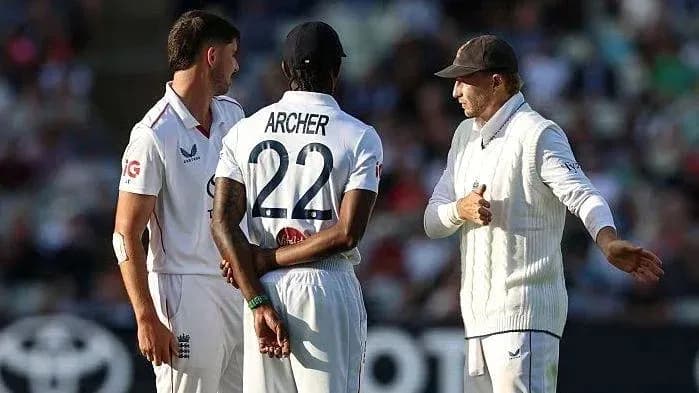
As the ball kept disappearing into the stands, England’s composure went with it. Jofra Archer wore the look of a man trapped in a bad dream as Razaullah launched him for consecutive straight sixes. Gus Atkinson, at one point, ran in with eight men patrolling the boundary while he banged in bouncers that only fed the frenzy.
Jonathan Agnew, the former fast bowler and BBC’s chief commentator, did not sugar-coat it. He called the tactics “appalling” and condemned the decision-making against tailenders.
“You cannot and should not bowl like that to tailenders as soon as they come in,” he said. “They are numbers nine and 10 for a reason.”
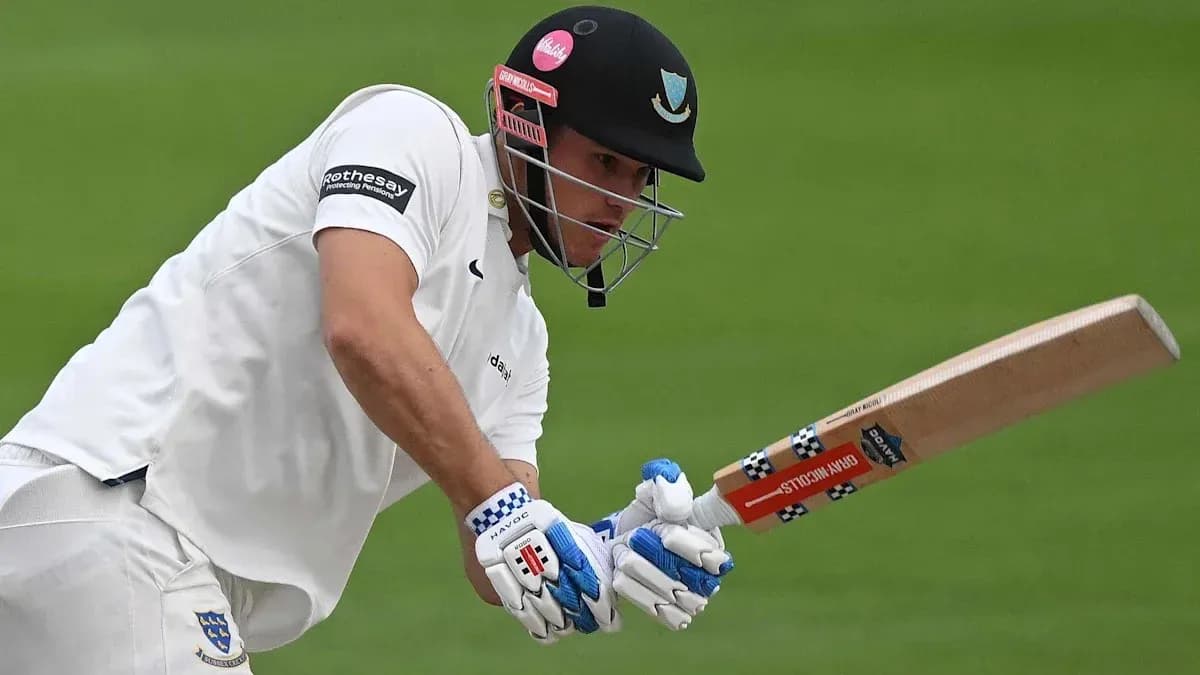
The strangest moment was still to come. With the second new ball available, Root handed it not to his in-form spearhead Ollie Robinson, but to Dan Lawrence – a part-time off-spinner who had barely turned his arm over all series. It was a move that left seasoned observers shaking their heads.
“Dan Lawrence is a part-time off-spinner and he took the second new-ball,” Agnew pointed out. “If you’re looking for any aspect of the day that is utterly bonkers, that is it.”
From the commentary box to the pavilion, the criticism fell on Root and the wider leadership group. This is his second stint as captain, under an interim head coach in Marcus Trescothick, with Stephen Fleming waiting in the wings to take over in December. On days like this, the structure feels temporary, the authority uncertain.
Cook went further, questioning not just the on-field calls but the silence off it.
“That’s when you need the backroom staff and coaches to step up,” he said. “I would loved to have seen a message and some real leadership from the coaches.”
Trescothick, fronting up after play, admitted to disappointment but defended the variety of plans England tried.
“We were in a position where they were eight down and the scores were level. We were hoping to go through them pretty quickly,” he said. “We bowled the short ball for a period of time, then length for a period of time, then a bit of spin. You’re always chopping and changing, with various ideas.”
He insisted England had often bowled in the right areas and gave credit to Pakistan’s lower order for their resistance.
Michael Vaughan, another former captain who has rarely been shy about critiquing England’s tactical brain, saw a familiar pattern.
“We shouldn’t be surprised by England, they’ve delivered tactically like this on a regular basis,” he said. He still expects them to win the game, but his warning was clear: the basics of Test cricket – hitting the top of off stump, keeping control – had been abandoned.
He also raised a more uncomfortable question about the dressing room.
“Who are the characters in the team who are going to grab a hold of everyone and say, ‘right, I’m going to make a moment’?” Vaughan asked. “I didn’t see it from anyone today.”
At one stage, Root even left the field to consult with the backroom staff. Whatever was said did little to stem the flow. The momentum stayed with Pakistan until Josh Tongue finally drew a miscue from Abbas to point, ending his part in the stand, and Lawrence – of all people – completed the job, Razaullah stumped from the final ball of the day.
By then, the damage was done. Pakistan’s spirits, sagging for much of the match and series, had been jolted back to life by a young man who treated England’s attack with disdain. Their dressing room left the ground laughing and cheering, knowing they had at least planted doubt.
England, for all their dominance over the first two and a half days, walked off with shoulders lower and voices quieter. They remain heavy favourites. They should still chase 130. Yet the manner of this collapse in control will linger longer than the result.
A debutant number nine exposed the soft underbelly of an experienced side. If this is a warning shot for Root’s second era and for an attack hailed as the next great English unit, the response on the fourth morning will tell its own story.