.svg&w=384&q=75 "logo")
Mark Chapman Chooses BBL Over NZC Central Contract
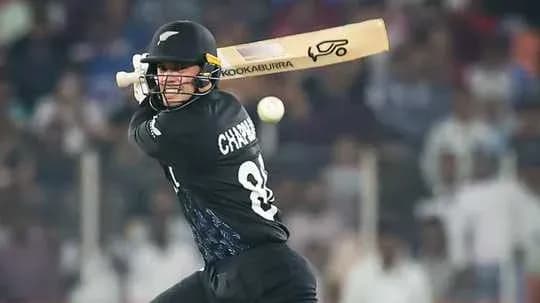
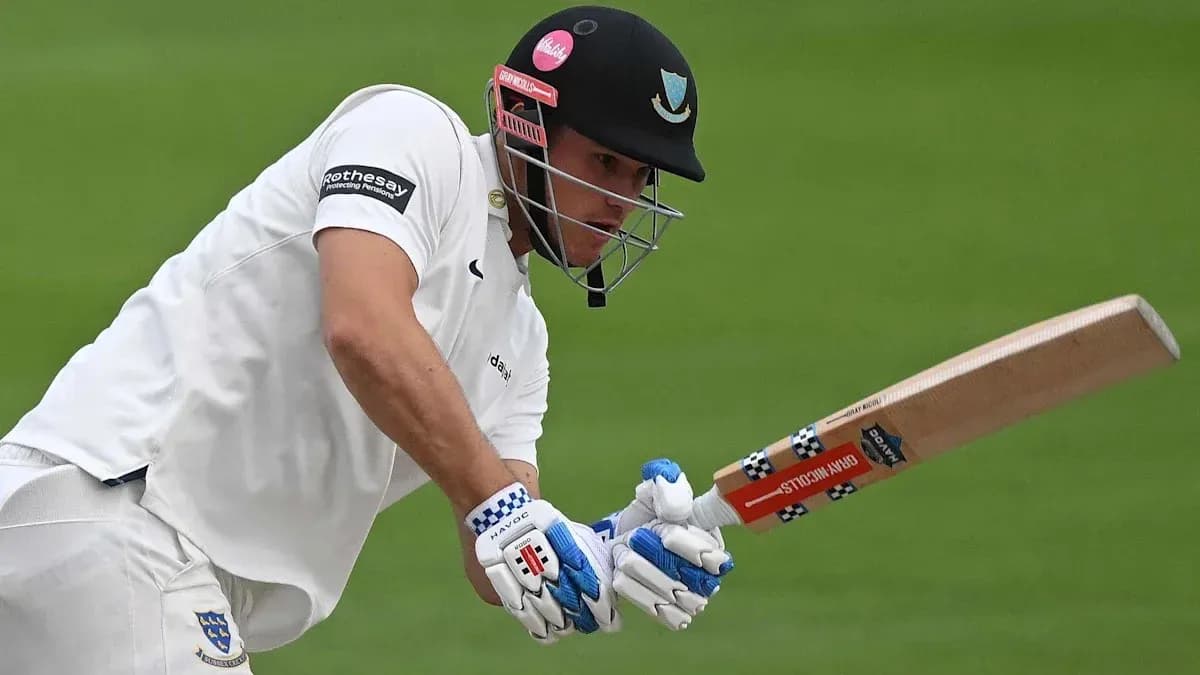
Mark Chapman has chosen the Big Bash League over the security of a New Zealand central contract – but not over the Black Caps shirt.
The left-hander has shifted to a casual deal with New Zealand Cricket for the 2026-27 season, freeing himself to play the BBL while remaining available for national selection outside that window. It is a calculated move, one that reflects the modern game’s tug-of-war between international duty and lucrative domestic leagues.
Chapman is not alone. Finn Allen, Lockie Ferguson, Adam Milne and Tim Seifert have all taken similar casual arrangements, a cluster of white-ball specialists effectively carving out space for an Australian summer of franchise cricket.
Crucially, Chapman will still line up for New Zealand’s looming home series against India, a marquee assignment that stretches across formats and sets the tone for a packed season.
“I’m thankful to New Zealand Cricket for their support now and throughout my career,” Chapman said. “The upcoming India series is one all us players are really excited for, and I’m committed wholeheartedly to performing in that series.”
The timing of his decision underlines the scheduling squeeze. BBL 2026-27 runs from December 12 to January 26. Those dates sit almost directly on top of New Zealand’s four-Test tour of Australia (December 9 to January 8) and overlap with the start of the white-ball leg of the home series against Sri Lanka, which begins with three ODIs and the first T20I on January 26.
For Chapman, a white-ball mainstay rather than a Test regular, the path is obvious: protect his international white-ball role, while opening the door to a full BBL campaign.
Fisher’s rise as NZC reshapes depth chart
Chapman’s move has created an opening – and Matthew Fisher has sprinted through it.
The Northern Districts fast bowler has been handed his first-ever New Zealand central contract, a significant endorsement of his pace and potential. It is also a clear signal of where NZC believes it must strengthen ahead of a relentless schedule.
“With Matt Fisher coming onto the central contract list, it creates a space at Northern Districts to bring another athlete onto their contract list to continue their development,” New Zealand Cricket Chief High Performance Officer Daryl Gibson said.
“Matt has impressed with the opportunities he’s had for the BLACKCAPS, and his pace is definitely something we want to nurture.”
That word – pace – keeps coming up. In a season built around heavyweight Test clashes against India, Australia and Sri Lanka, New Zealand’s selectors know they cannot afford to be light in the fast-bowling department.
Selection manager Gavin Larsen made that point plain.
“With the heavy schedule of cricket coming up, notably the Test matches against India, Australia, and Sri Lanka, we know we’ll need good depth in our fast-bowling stocks to give the BLACKCAPS the best chance of success,” Larsen said.
“Matt is someone able to bowl that express pace which is extremely valuable to the balance of any side, so we’re excited to have him on the central contract list.”
A brutal calendar looms
The context for all of this is a New Zealand summer that barely pauses for breath.
It starts with India: a 12-game epic from October 22 to December 1, featuring five ODIs, five T20Is and two Tests. That alone would test any squad’s depth, tactically and physically.
Then comes the Trans-Tasman challenge. Between the India and Sri Lanka home series, New Zealand head across the Tasman for four Tests against Australia, a tour that will demand every ounce of resilience from a fast-bowling group already under strain.
From mid-January, Sri Lanka arrive for a month-long visit: three ODIs, three T20Is and two Tests to close out the season.
Against that backdrop, Chapman’s decision and Fisher’s promotion look less like isolated moves and more like early pieces in a broader puzzle. New Zealand must juggle player workloads, keep its quickest bowlers on the park, and still leave room for players to tap into the global T20 economy.
The question now is whether this new balance – casual contracts for white-ball specialists, fresh investment in raw pace – can carry the BLACKCAPS through a season that offers both opportunity and exhaustion in equal measure.