.svg&w=384&q=75 "logo")
Japan–India Cricket Match: A Broadcasting Challenge
A low-key, one-off cricket match in rural Tochigi has suddenly turned into one of the trickiest broadcast puzzles of the year.
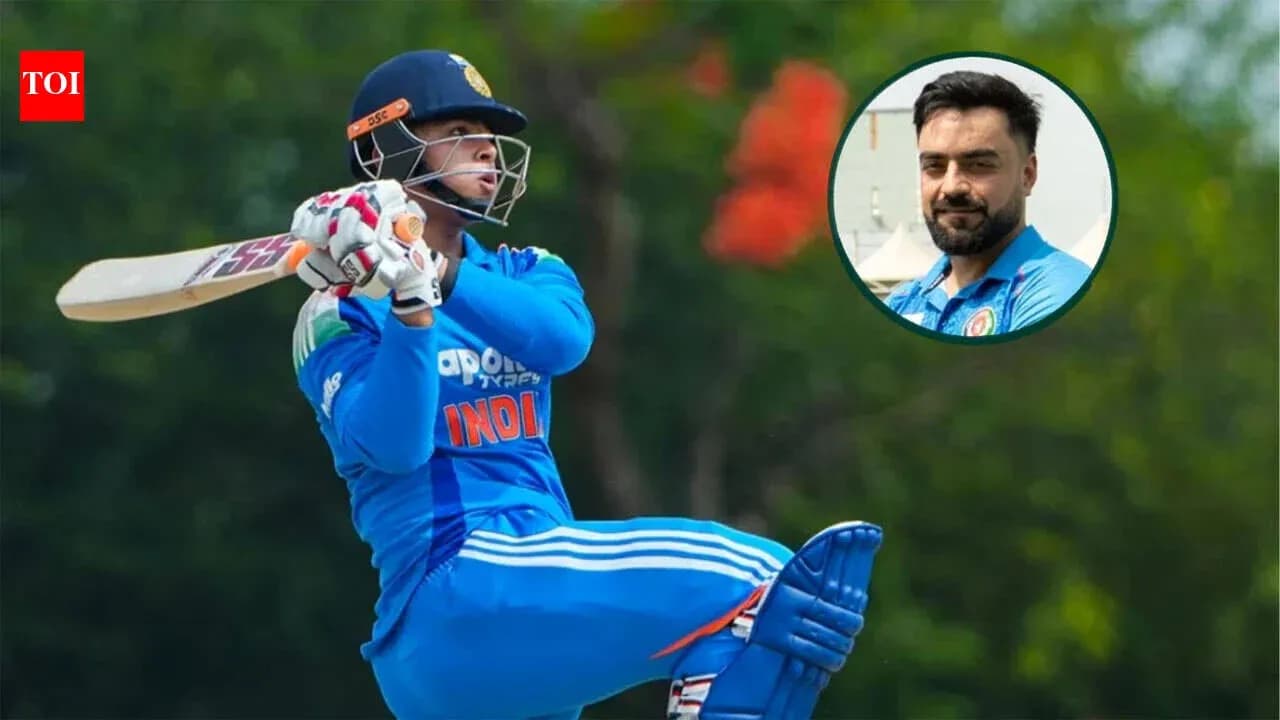
The Japan Cricket Association (JCA) is in advanced talks with ITW Universe to secure television coverage for the September 22 clash between Japan and India at Sano International Stadium, a game being billed locally as historic and, behind the scenes, as a logistical headache.
From YouTube afterthought to TV property
When the fixture was first pencilled in, expectations were modest. The plan was simple: a bare-bones live stream on YouTube, minimal cameras, minimal cost, and a niche global audience for a game between two sides at very different stages of their cricketing journeys.
That idea has quickly outgrown itself.
The JCA is now close to signing an MoU with ITW Universe for broadcast rights, with the ambition of putting the game on regular television platforms in India. A YouTube stream is still on the table for the wider global audience, but for the Indian market, the match is being treated like a full broadcast event rather than a curiosity from an emerging cricket outpost.
Behind that shift lies a scramble. ITW Universe is understood to be in discussions with major Indian broadcasters Star, Sony and Zee over linear rights, while digital platform FanCode — which has worked extensively with the JCA on pathway competitions — is among those being courted for streaming in India.
The first ball is scheduled for 9.30am IST (1pm local time in Japan). That timing, though, is exactly where the complications begin.
A clash with the Asian Games spotlight
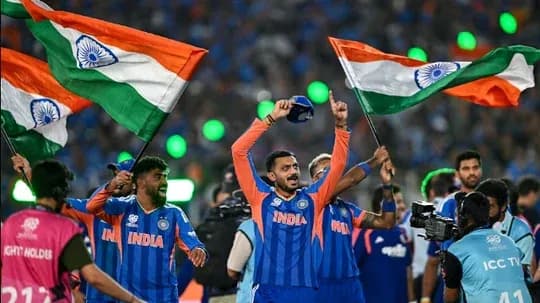
Just an hour after the Japan–India game gets underway in Sano, the women’s gold-medal match at the Asian Games is due to start at Korogi Athletic Park in Nisshin City, Aichi. Sony hold the rights to the Asian Games, and with the Indian women’s team among the favourites to reach that final, the prospect of a direct clash is very real.
Two India games, overlapping. One a medal match on a multi-sport stage, the other a landmark fixture for Japanese cricket. The scheduling leaves broadcasters juggling priorities and production resources.
Organisers did consider shifting the Japan–India match to September 23 to ease the strain and avoid competing for eyeballs with a potential gold-medal showdown. The calendar, however, closed that door quickly. Japan’s men are due in Aichi the very next day for their first Asian Games group-stage match against Afghanistan on September 24, and the geography is unforgiving: Sano and Aichi sit roughly 400km apart.
Sano prepares for its biggest day
On the ground in Tochigi, preparations are moving at a different tempo.
The Indian team is expected to arrive in Sano on September 20, train on September 21, and then step into what local officials are proudly calling a historic game. India’s Asian Games campaign only begins with a quarter-final on September 28, so there is room for the squad to linger in Sano for a few days before heading to Aichi.
For the JCA, this is a showcase moment. The Sano International Cricket Ground, usually a compact venue with a capacity of around 500, is being reworked for the occasion. Temporary infrastructure is being planned to push that number up to roughly 2,000, an ambitious jump for a ground more accustomed to modest crowds and development tournaments.
It is a transformation driven by one simple expectation: when India play, people turn up.
A test of ambition off the field
The match itself may be a one-off. The broadcast operation will be anything but.
Coordinating production teams across two venues, managing rights with multiple broadcasters, and navigating a direct clash with a high-profile women’s final at the Asian Games turns this into a stress test of how far Japanese cricket is willing — and able — to stretch its ambitions.
If the deals fall into place, viewers in India will wake up to live pictures from Sano on mainstream television, while fans elsewhere log in online to watch a game that, until recently, was destined for a quiet YouTube corner.
For Japan, it is a rare chance to put its cricket on a bigger stage. For India, it is another fixture in a packed calendar. For broadcasters, it is a tightrope: how do you divide attention when one morning in Japan suddenly has two competing stories to tell?