.svg&w=384&q=75 "logo")
Jannik Sinner's Dilemma: Points or Health?
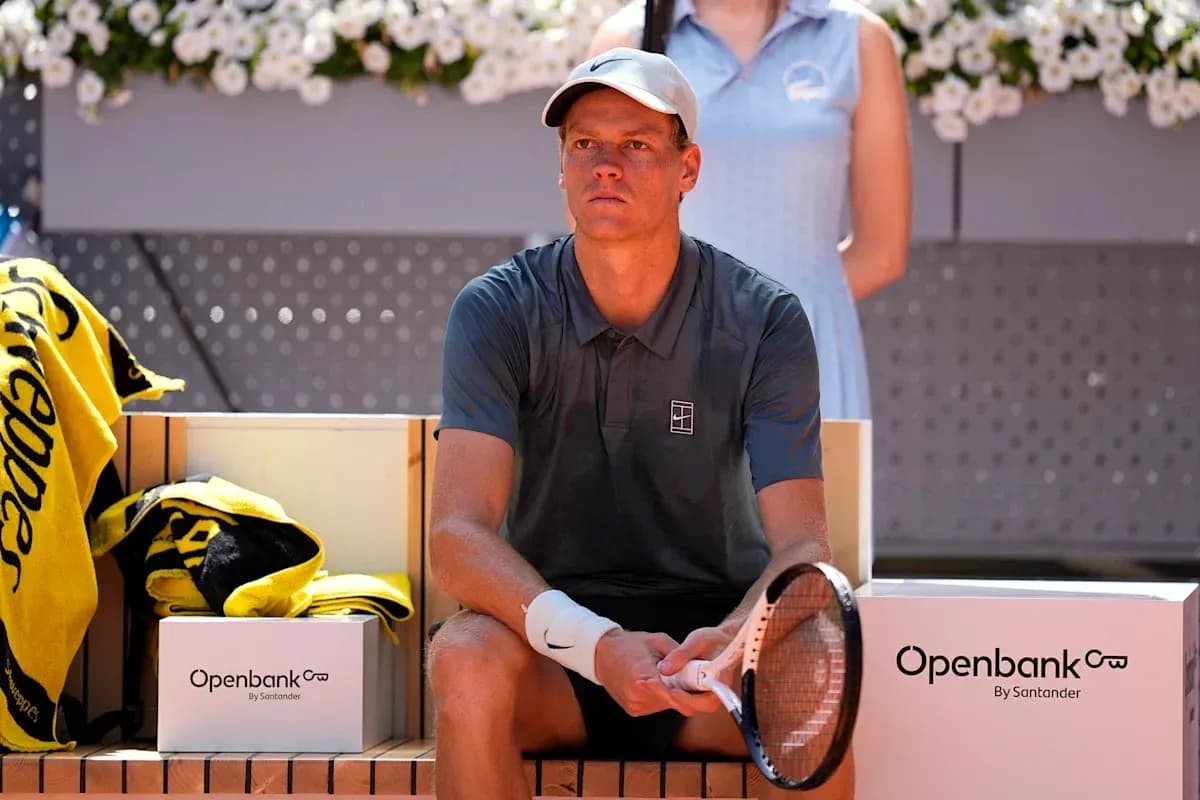
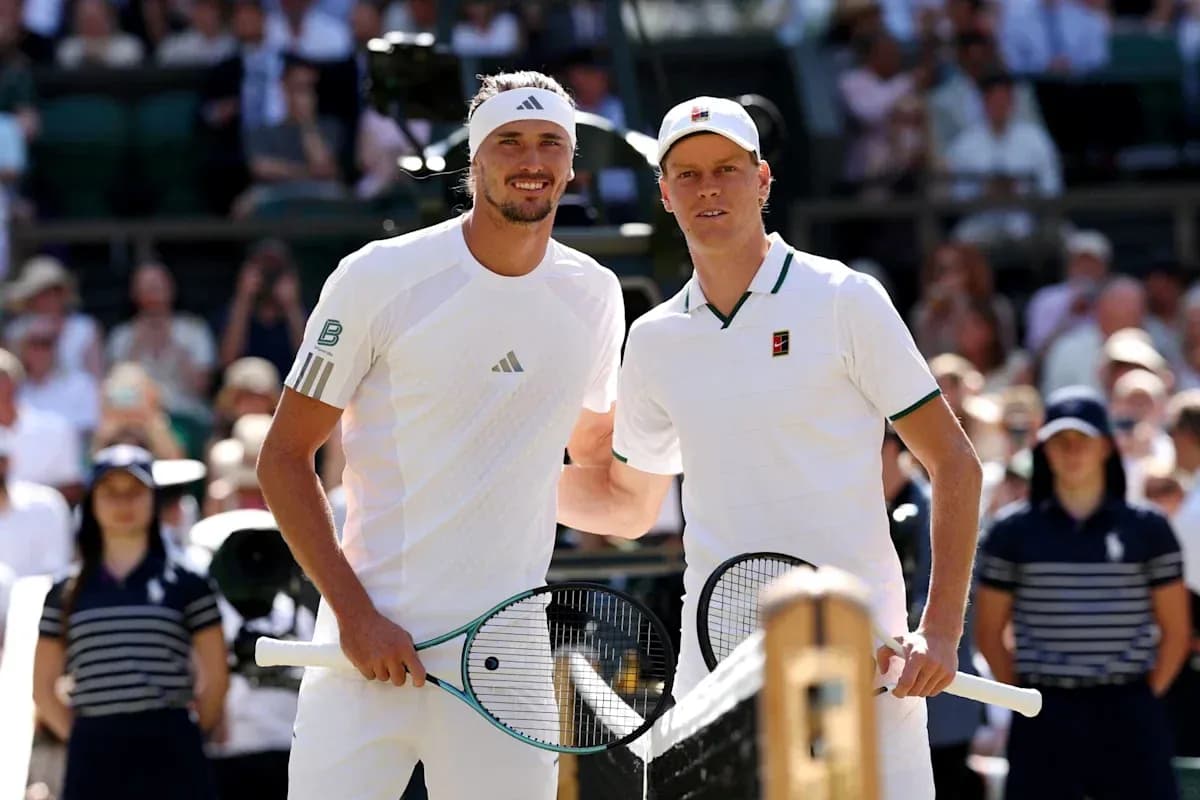
The last time Jannik Sinner struck a ball in anger, he was standing on Centre Court with the Wimbledon trophy raised high above his head. July 12 feels a long way off now. More than two months have passed without the World No. 1 hitting the tour, and as the Asian swing looms, the anticipation around his return is tangled with a very real concern: how much can his body take?
Former ATP pro Stefano Pescosolido believes the answer might be: not Asia. Not this year.
“I think he's a little more careful from a physical standpoint. He wants to avoid relapses,” Pescosolido told Tuttosport, cutting straight to the heart of the matter. “The Slams are his main goal, and I imagine he wants to be at his best next year to try to win as many as possible. There are two options: Beijing and Shanghai, or starting with the indoor tournaments.”
That’s the fork in the road. Beijing and Shanghai, with all the points and prestige they offer, or a calculated retreat to the controlled climate of indoor courts in Europe.
A Body That Has Sent Enough Warnings
Sinner’s issues in the heat are no longer a subplot. They are part of the main story.
From the brutal Australian Open conditions in back-to-back years to energy-sapping days on European clay, the Italian’s body has repeatedly sounded the alarm. The most glaring moment came at Roland Garros this season. One game from victory in the second round against Juan Manuel Cerundolo, Sinner’s body simply shut down. Full-blown cramps. Energy gone. The World No. 1 reduced to a passenger in his own match as the upset unfolded.
The defeat didn’t happen in isolation. In the build-up to Paris, Sinner had played all five Masters 1000 events. He had swept the titles, but the toll was obvious by the time he hit the clay in Paris. The legs were heavy, the reserves thin. When the conditions turned hostile, he had nothing left to give.
Pescosolido sees a similar storm forming over Asia.
Last year at the Shanghai Masters, Sinner struggled badly with the humidity and retired mid-match against Tallon Griekspoor, even under the relative relief of a night session. Beijing and Shanghai offer big rewards, but they also demand a lot from a body that has already shown its limits in hot, sticky air.
Skipping that stretch, Pescosolido argues, would allow Sinner to reboot on his own terms.
“He could skip the Asian trip and return from Vienna, to be ready for the ATP Finals, in order to best plan for the following year,” he suggested.
Indoors: Sinner’s Safe Haven
If Sinner does decide to bypass Asia, the upside is clear.
Indoor hard courts are his territory. No sun, no suffocating humidity, no unpredictable extremes. Just clean conditions and a surface that rewards his timing and aggressive baseline game.
His record under a roof is brutal: ten titles from twelve indoor finals. He already owns Vienna twice. For a player looking to restart after a long layoff, there are worse launchpads than a tournament where he’s already a two-time champion and a crowd favourite.
The calendar would then tilt towards a very specific goal: arrive in Turin fully charged.
Sinner has already booked his place at the ATP Finals, and with the event on home soil, the emotional pull is obvious. An Italian World No. 1 walking into a packed arena in Turin is the kind of scene players dream about as juniors. Risking that for one more run through the Asian heat doesn’t feel like a straightforward call.
Yet the ranking race won’t wait for his body to catch up.
The Zverev Factor: A Ranking Under Siege
Skipping Asia doesn’t just mean missed match play. It means points left on the table—and for Sinner, a very specific 500-point hole.
He is the defending champion in Beijing. If he chooses not to play, those points vanish. Even if Alexander Zverev also sits out Beijing, the gap between the two shrinks by that margin. That’s the first crack.
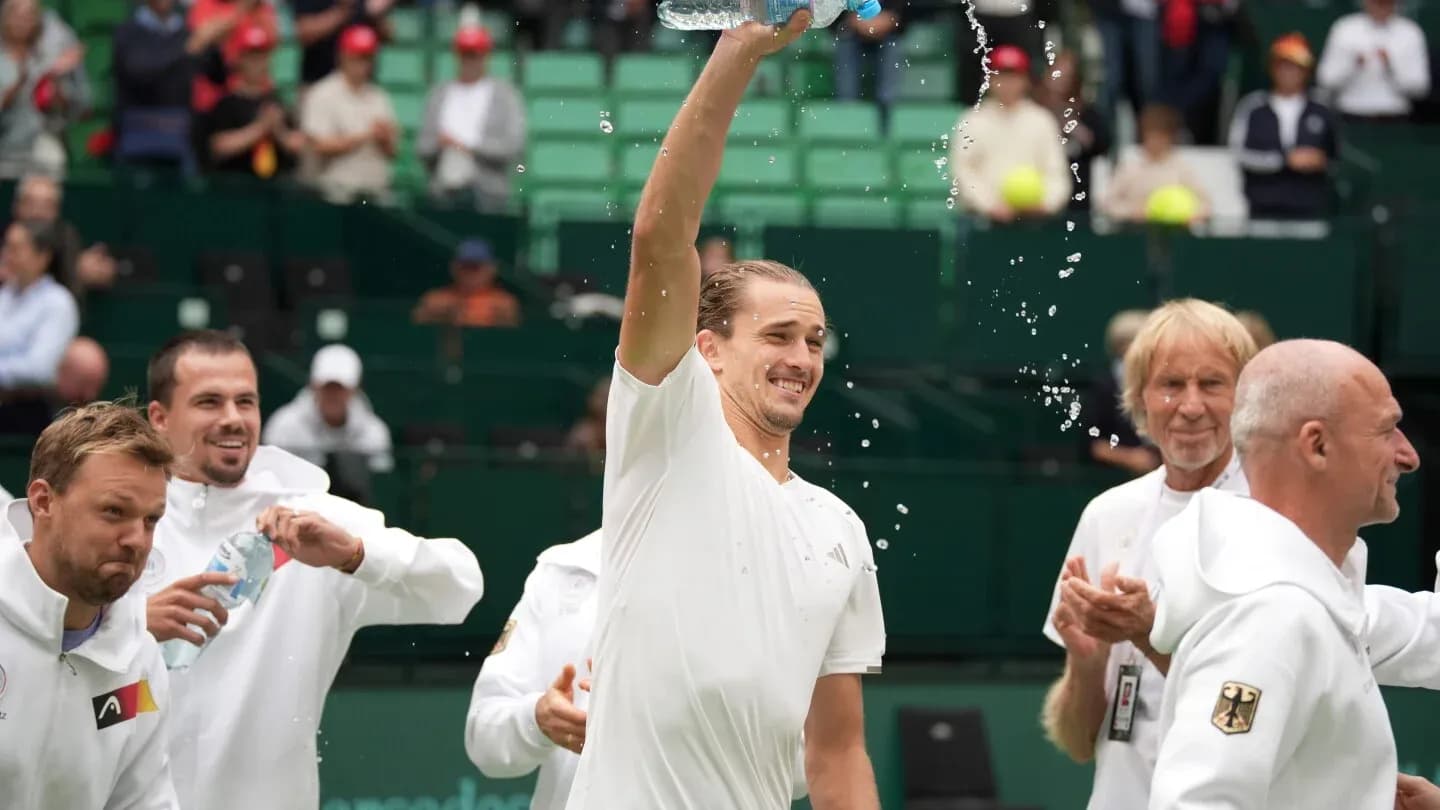
Zverev’s own Asian swing last year was modest, which means he has little to defend. This time, he arrives as a two-time Major winner in 2024, riding the confidence that comes with finally converting big-stage chances. A deep run in Shanghai, and suddenly the World No. 1 conversation shifts from comfortable lead to live threat.
From there, the pressure flips squarely onto Sinner’s shoulders in the indoor season.
He has a mountain of points to defend: title runs in Vienna, Bercy, and the ATP Finals last year. Any slip, any early exit, and the ranking math starts to lean heavily in Zverev’s favour. The German, of course, has his own points to protect—final in Vienna, semifinals at Paris Masters—but the dynamic is clear. If Sinner gives him an opening, Zverev has the form and the schedule to exploit it.
Motivation won’t be an issue. Zverev has been notably restrained when discussing his Grand Slam triumphs, aware that some will point to the absence of Sinner and Carlos Alcaraz at key moments. Taking the No. 1 ranking outright would silence a lot of that noise. It would be a statement, not a footnote.
Risk, Reward, and a Season on a Knife-Edge
For Sinner, the choice is stark.
Chase every point, fly into Beijing and Shanghai, and defend what he’s built—knowing full well what the heat and humidity have done to him in the past. Or accept a hit in the rankings, skip Asia, and bet everything on being fresh, healthy, and lethal indoors, with Vienna, Bercy, and Turin forming the spine of his autumn.
Pescosolido’s logic leans toward the long game: protect the body, protect the Slams, build for 2025. The tour, though, rarely rewards caution in the short term. Zverev is closing, the margins are thin, and the World No. 1 ranking is suddenly more fragile than the Wimbledon trophy made it look.
The next move belongs to Sinner. Does he defend his throne in hostile conditions, or step back now to make sure he’s still standing when the biggest prizes come around again?