.svg&w=384&q=75 "logo")
Novak Djokovic’s Influence on Tennis: Legacy and Comparisons
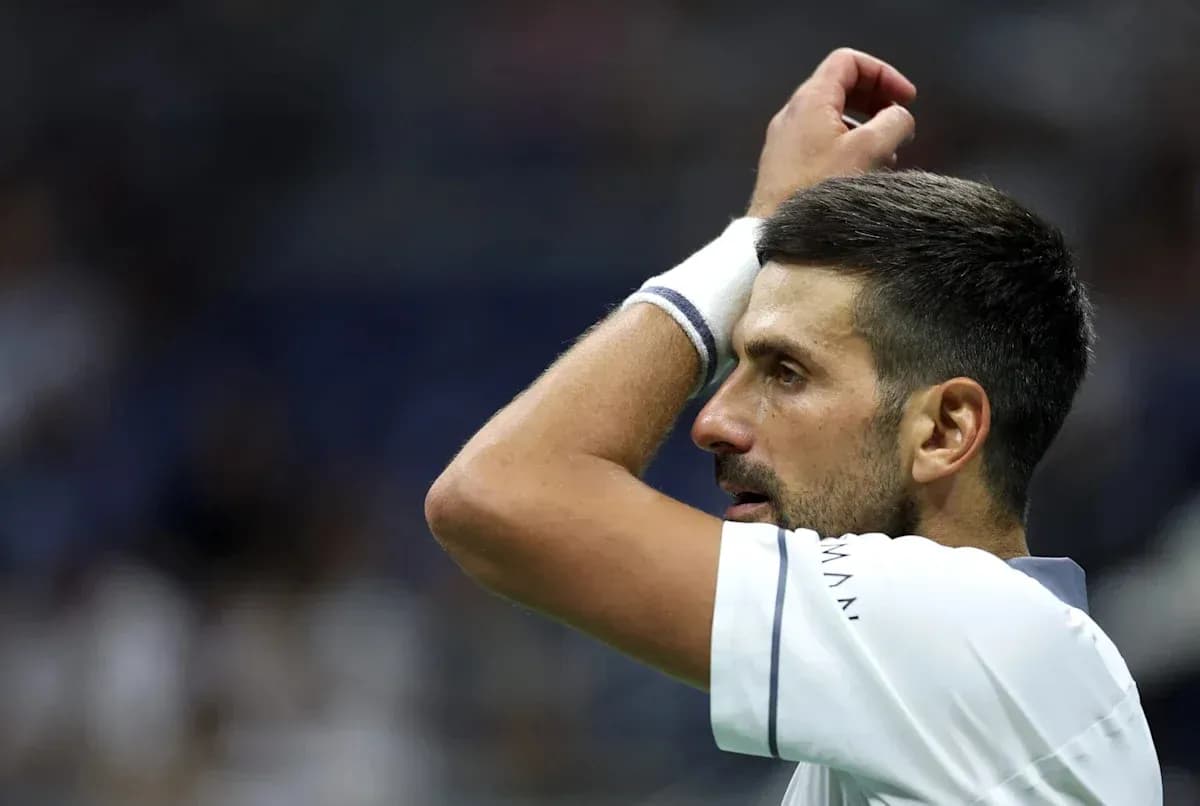
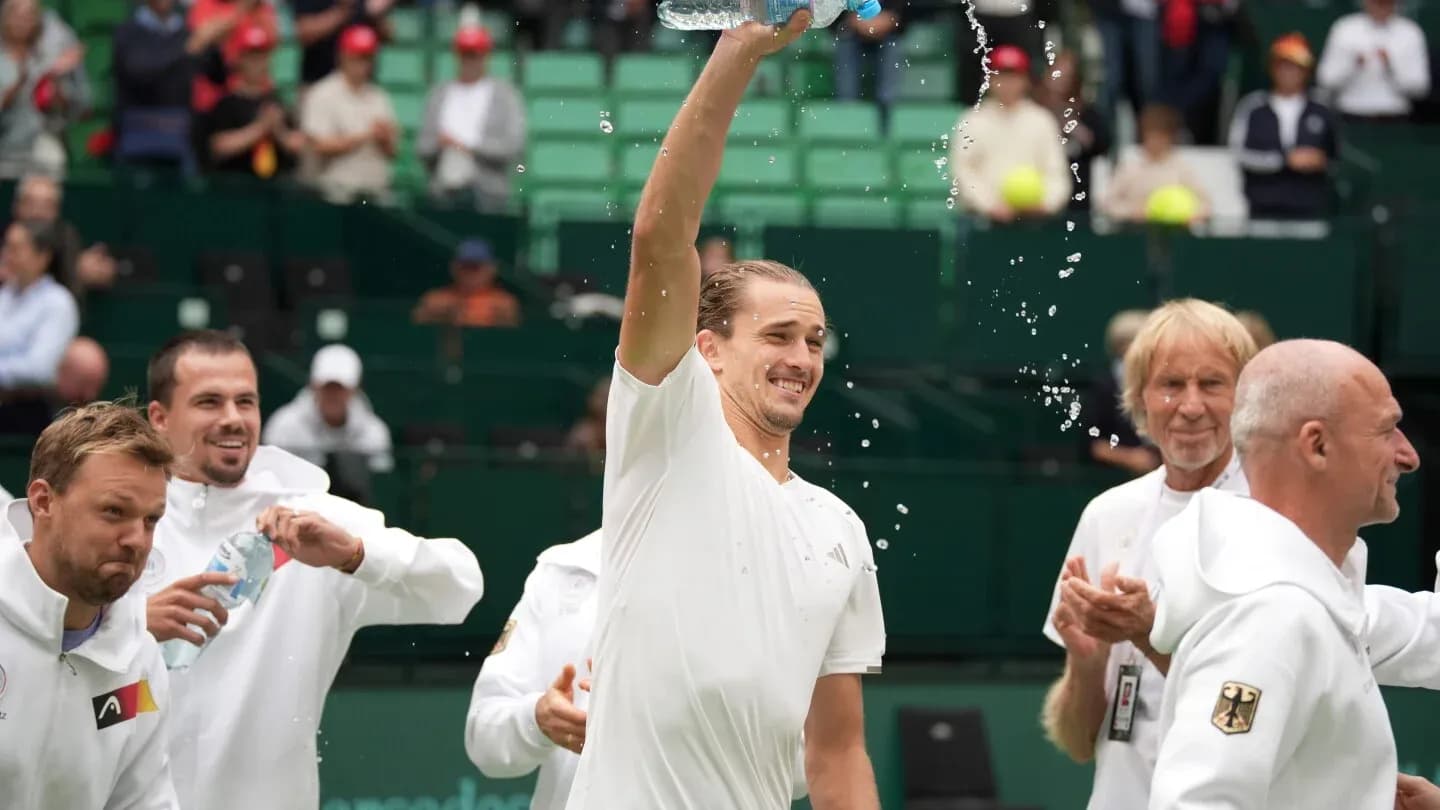
Novak Djokovic has spent two decades bending men’s tennis to his will. Even now, at 39, with the legs a touch heavier and the calendar far less forgiving, he still finds ways to stay in the orbit of the sport’s brightest new stars.
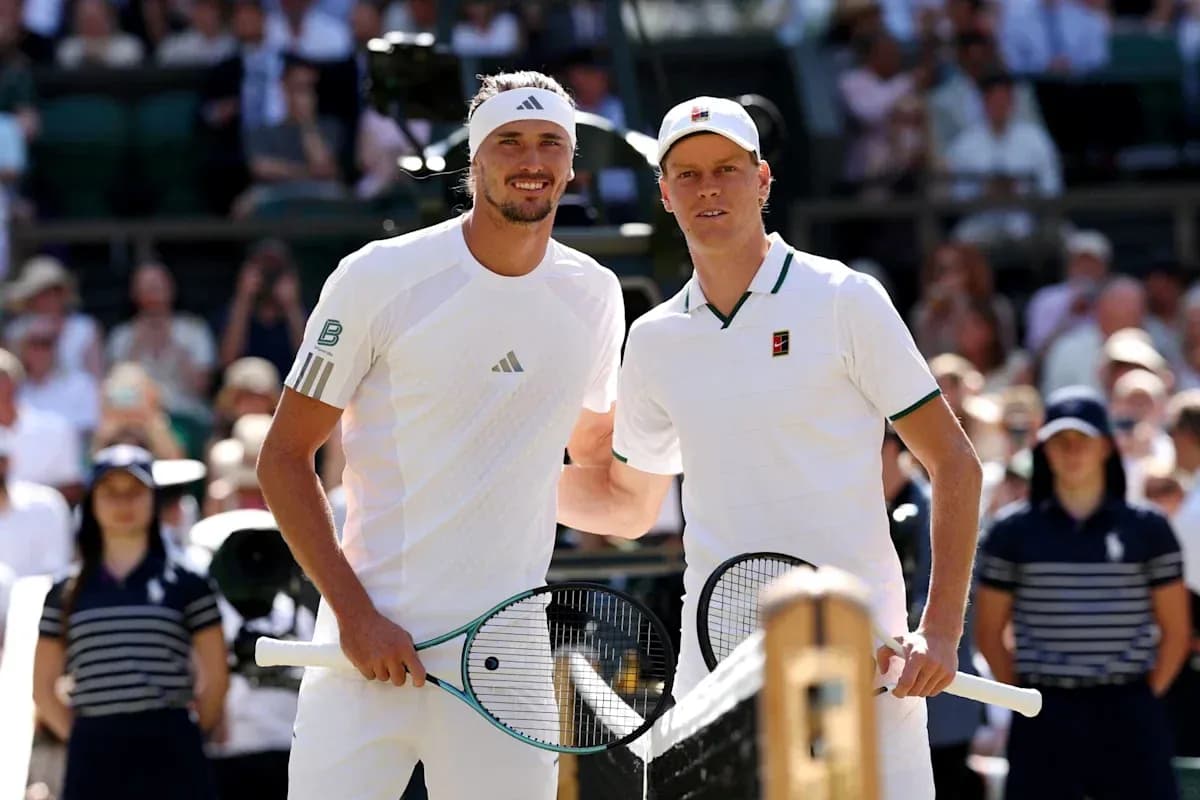
He has the receipts to prove it. A win over Jannik Sinner in 2026. A tight Australian Open final against Carlos Alcaraz that reminded everyone he is not just hanging on, he is still swinging at the very top.
Yet it is not a forehand, a trophy, or a ranking that has put Djokovic back at the centre of debate this week. It is his tongue.
Djokovic’s claim of influence
In a recently released snippet from Kevin Hart’s podcast, Djokovic spoke candidly about the new generation, specifically Alcaraz and Sinner. He suggested that both had, in part, modelled their games on his own, pointing to his influence on how modern tennis is played.
The intent sounded clear enough: pride, not pettiness. Djokovic was not tearing down the two young champions. He was placing himself in the lineage of greats whose styles shape what comes next, presenting Alcaraz and Sinner as products of an era he helped define.
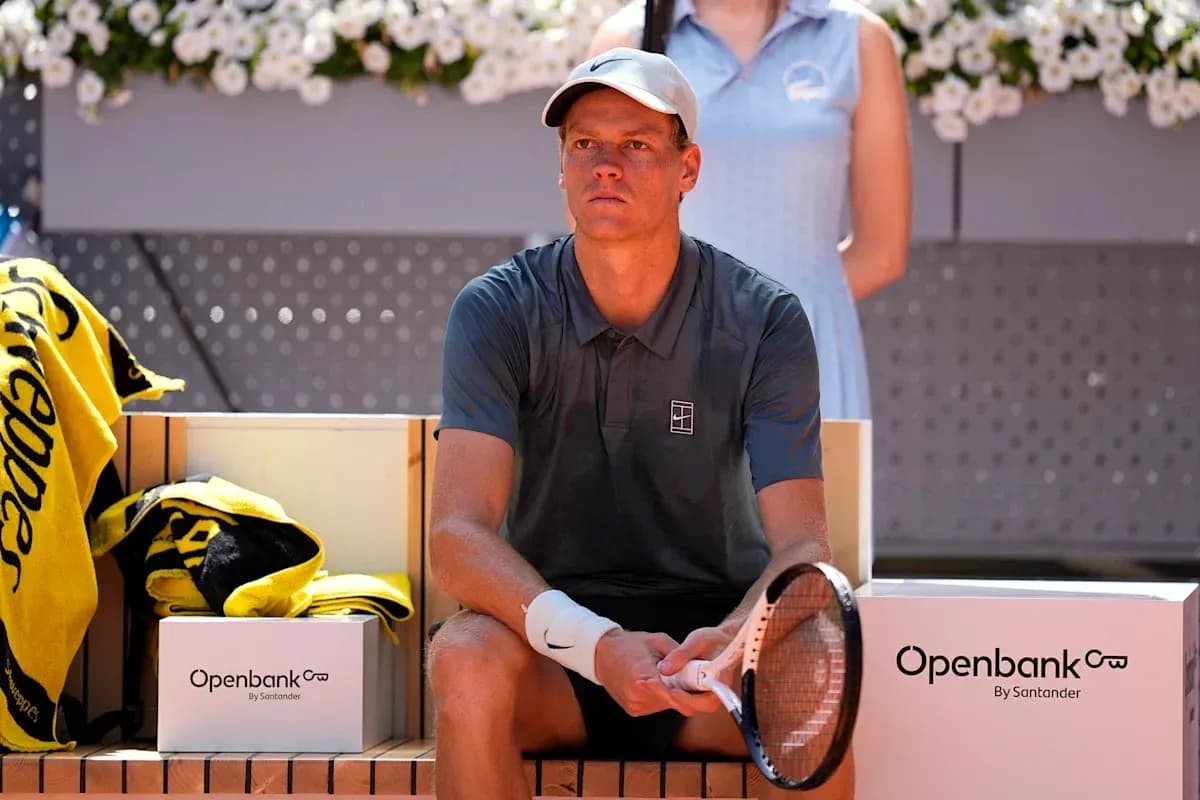
With Sinner, the comparison has some traction. The Italian’s relentless baseline precision, his elastic defence turning into sudden attack, and his commitment to physical conditioning all sit in a space Djokovic has occupied for years. There is a clear line between the Serbian’s blueprint and what Sinner brings to the court.
The Alcaraz parallel, though, has struck a raw nerve.
Backlash over the Alcaraz comparison
Alcaraz plays like chaos wrapped in silk. His tennis is a fusion of raw explosiveness, improvisation, and all-court flair that calls to mind as much Roger Federer and Rafael Nadal as it does Djokovic. So when Djokovic suggested that Alcaraz, too, had effectively copied elements of his style, some fans bristled.
Reaction was swift on social media. One fan on X captured the tone of disbelief, writing: “I'm genuinely lost for words at this point. I'm being totally serious here. I don't know what to say.”
That post summed up a growing sentiment: that linking Sinner’s more methodical, structured game to Djokovic makes sense, but folding Alcaraz into the same narrative feels like overreach. To those critics, Alcaraz is less an heir to Djokovic’s geometry and more a whirlwind of his own making.
Legacy under the microscope
This is where the conversation truly bites. Djokovic was speaking about legacy, about what remains when the last ball has been struck. He sees his fingerprints on the sport’s evolution, on how players move, return, defend, and turn defence into ruthless counter-attack.
At 39, still pushing prodigies nearly half his age to the edge in major finals, he has a compelling case that his influence runs deep. The win over Sinner in 2026 and the narrow loss to Alcaraz in Melbourne are not just results; they are markers of a champion refusing to fade quietly while the next generation surges.
Yet legacy is not only what a player believes they have built. It is also how the public chooses to remember it. Djokovic’s comments, meant to underline his impact, have opened a fresh debate over who truly shapes whom in this new era of Sinner and Alcaraz.
For a player who has spent a career thriving in the heat of battle, it is fitting that, even in the twilight of his playing days, the fiercest contest might now be over his place in the game’s history—and who, exactly, is following in his footsteps.