.svg&w=384&q=75 "logo")
Ishan Kishan Leads East Zone to Duleep Trophy Glory
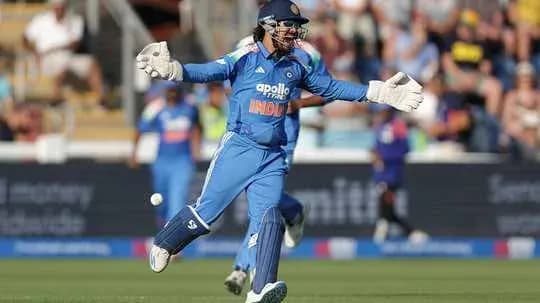
By the time East Zone walked off on the fourth evening at 212 for 5, 584 runs in front, the Duleep Trophy final was no longer a contest. It was an ordeal. South Zone turned up on the fifth morning hoping for mercy. Kishan’s men chose domination instead.
They batted on. And on.
Any faint hope of an overnight declaration vanished as East Zone’s middle and lower order settled in to extend a lead that had already broken the game. The fifth day became a slow, clinical dismantling of South Zone’s bowlers, the kind that drains shoulders, saps voices and empties out belief.
Under grey skies, South’s quicks finally found a hint of life. Kumar Kushagra, the centurion hero of the first innings, could add only 12 more before the seamers prised him out. Mohammed Siraj hit his straps and beat the bat often enough to remind everyone of his pedigree. The ball nipped, the fielders circled, the noise rose.
But the door never opened.
At No.7, Md Kounain Quraishi dug in with the composure of a veteran, not a man in just his second first-class game. He shut one end down, left well, defended late, and waited. At the other end, Anukul Roy chose a different method entirely. He absorbed the early pressure, then flicked a switch.
Tripurana Vijay copped the brunt of it. Roy launched him for a couple of clean sixes, a clear signal that East Zone were not simply killing time. They were grinding South into the surface.
South Zone’s desperation showed on the scoreboard and in the review column. By the 76th over, all three referrals had gone, burned in hope more than conviction. Each failed review felt like another door slamming shut. By lunch, the pattern was set: Quraishi unmoved on 76*, Roy cruising on 37*, and the lead ballooning beyond the realms of the chase and into the territory of humiliation.
After the interval, spin took over. The script did not.
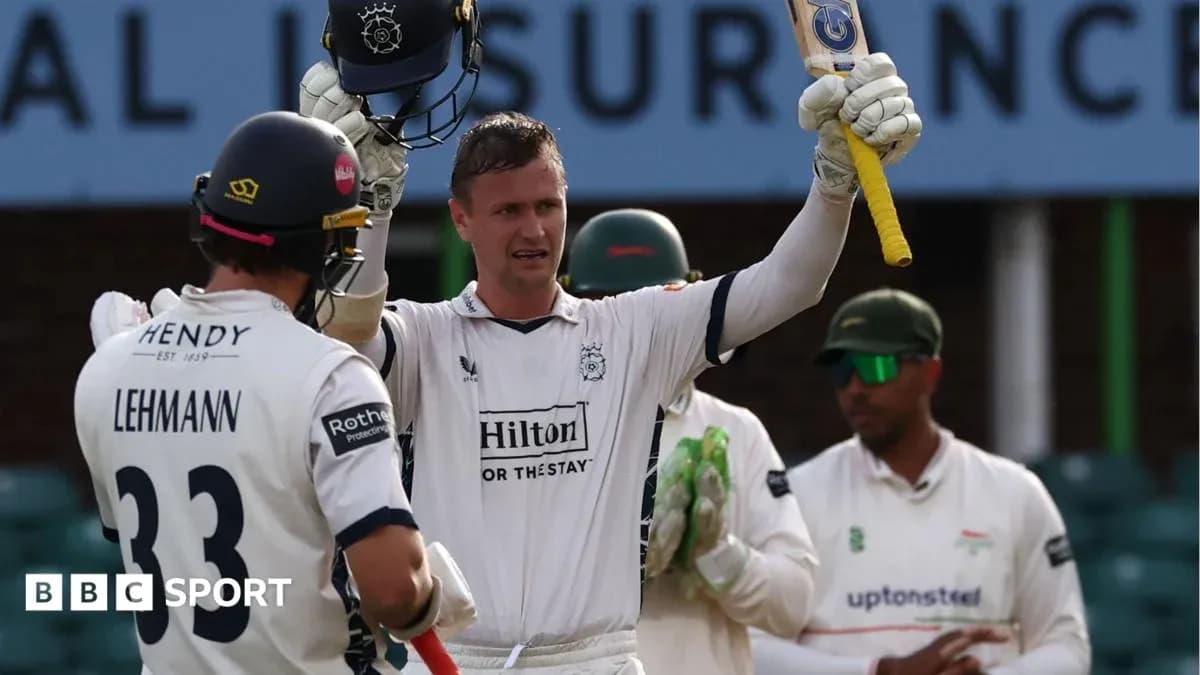
Roy milked the slower bowlers, worked the gaps, and eased to a half-century. Quraishi’s tempo barely changed. He marshalled the tail, farmed the strike when he had to, and refused to gift South even the consolation of a clatter of wickets. His reward came with a crisp stroke that took him to a maiden first-class hundred, a landmark forged in patience and nerve.
The celebration was anything but quiet. Quraishi immediately stepped out and clubbed Vijay for back-to-back sixes, a sudden burst of violence that pushed East Zone’s lead beyond 750 and underlined just how far ahead they stood. What had begun as consolidation had turned into a statement.
Roy finally fell in the 99th over, ending a 150-run stand that had sucked the last traces of resistance out of South Zone. One over later, Kishan made the gesture everyone had been waiting for. The declaration came, hands were shaken, and East Zone were Duleep Trophy champions for the third time.
The margin was not just big. It was brutal. A 708-run first-innings lead in a final is the kind of number that lingers in dressing rooms and selection meetings for years.
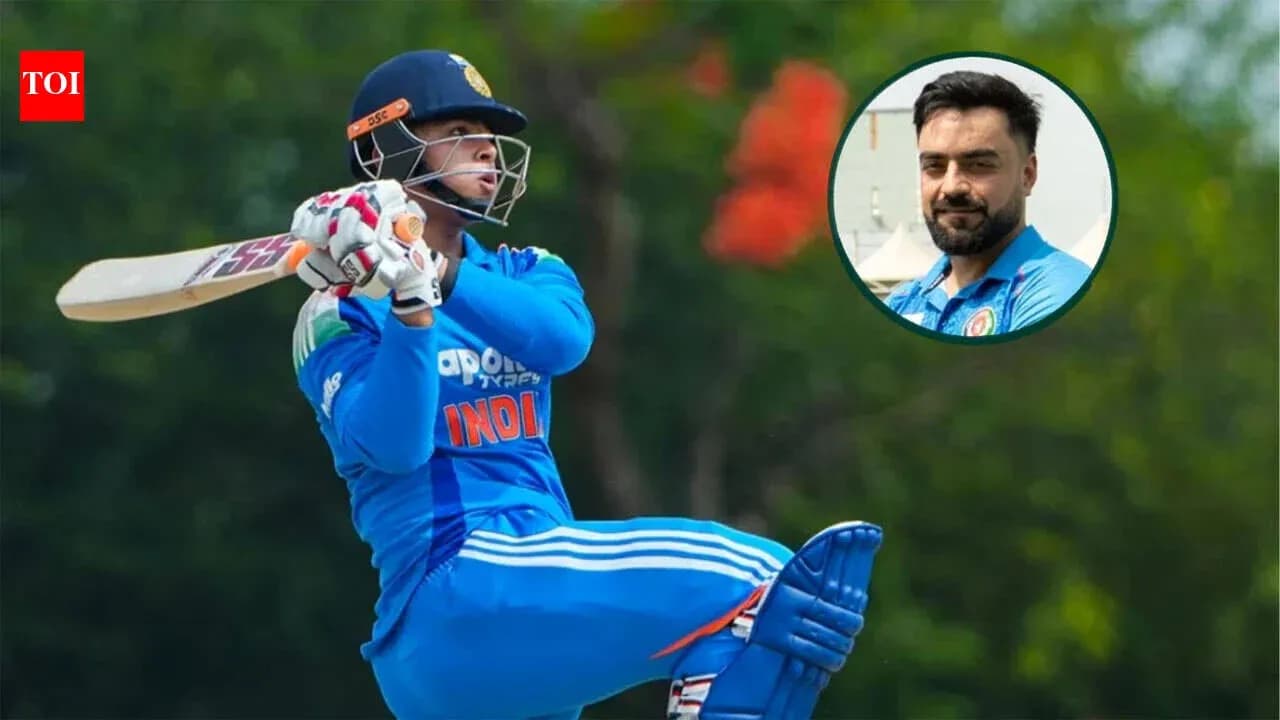
For Kishan, it was another chapter in a growing domestic captaincy portfolio. Having already lifted the Syed Mushtaq Ali Trophy last season, he now adds the Duleep Trophy to his resume, still unbeaten as a first-class captain after 16 games. The Jharkhand imprint on this title was unmistakable: Kushagra’s first-innings hundred, Quraishi’s coming-of-age century, and runs from Shikhar Mohan all fed into a campaign that felt tightly knit and fiercely driven.
Kishan’s own bat roared the loudest. A match aggregate of 350, the highest ever in a Duleep Trophy game, earned him the Player of the Match award and underpinned East Zone’s dominance from the opening day. Across both innings, he set the tempo, attacked when others hesitated, and kept the pressure squarely on South Zone’s bowlers.
On the other side, Tilak Varma walked away with the Player of the Series award, a reflection of his consistency across the tournament rather than this final alone. He did not hide from the decisive moment either, admitting his disappointment at failing to impose himself on the opening day. That missed opportunity allowed East Zone to pile up the colossal first-innings advantage that broke South Zone’s challenge at the root.
Kishan, for his part, allowed himself a rare, cheeky smile. He called himself a “good leader” and spoke of his time away from the Indian team as a “transformation” – a period that has left him calmer, more aware of situations, yet still ravenous for runs and wins.
The numbers back that up. This final produced the third-highest aggregate in any Duleep Trophy game, with Kishan’s bat at the heart of it. The trophy, the records, the unbeaten captaincy streak – they all point in one direction.
If this is what his transformation looks like in domestic cricket, the real question now is how long India can afford to leave this version of Ishan Kishan on the sidelines.