.svg&w=384&q=75 "logo")
India's Explosive Start in T20 Match Against Afghanistan
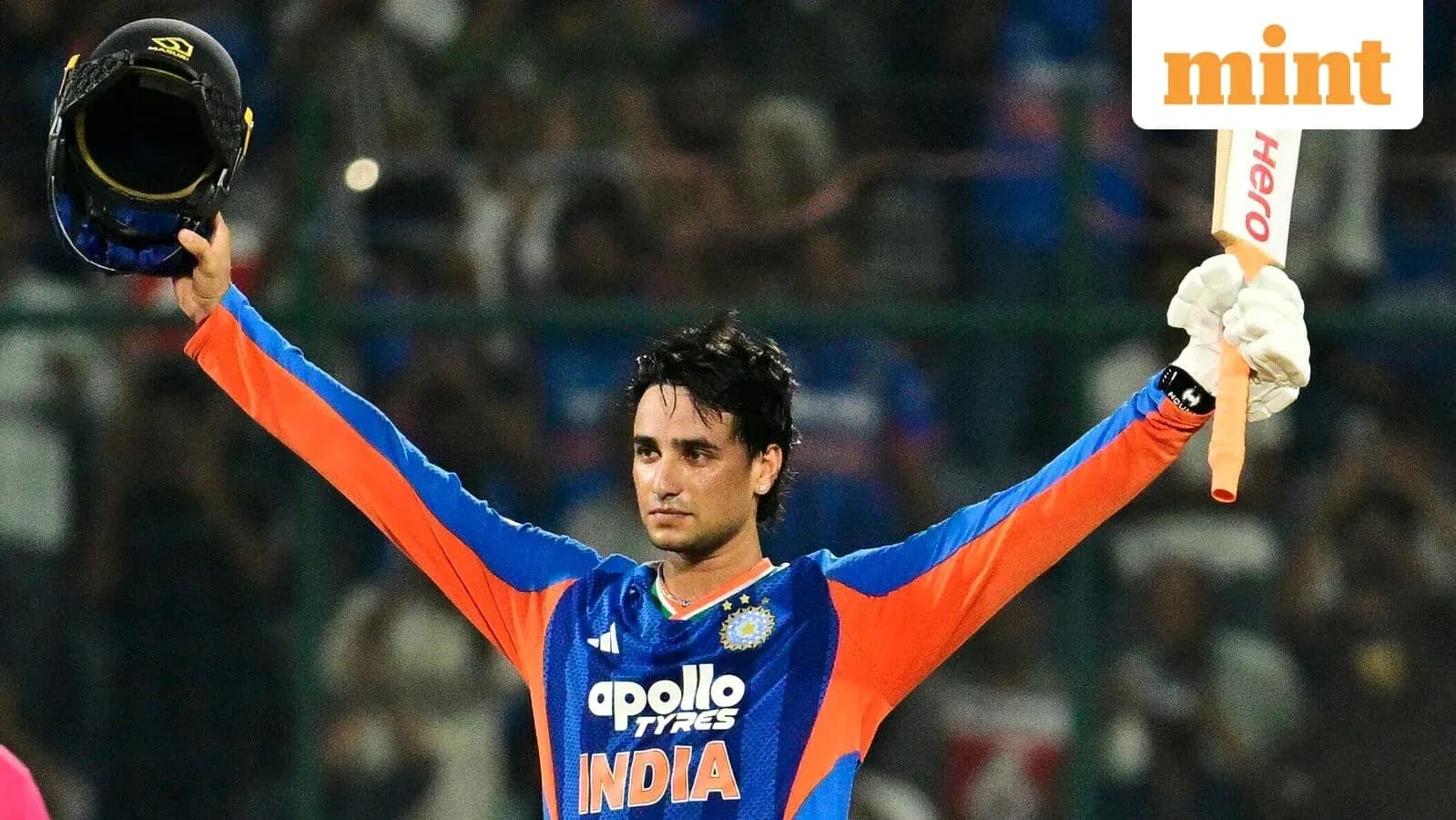
India did not so much begin their innings as detonate it.
Mohammad Nabi, Afghanistan’s veteran off-spinner, came on with the new ball and was greeted with all the ceremony of a bowling machine at a net session. He tossed one up, inviting Sanju Samson to drive. Samson rocked back instead and launched it straight back over the bowler’s head for six, a clean, disdainful blow that set the tone. Same spot next ball, same brutal result. Nabi could only watch it sail over him again.
The over turned into a demolition. Abhishek Sharma, already humming, joined the assault, choosing the same straight route to raise a fifty in style. Four more followed, then another towering six to close the over. Twenty-nine runs ripped from Nabi’s figures in a single set. India thundered to 85 without loss after just five overs, the contest already feeling lopsided.
The carnage had started even earlier.
Azmatullah Omarzai’s introduction for the second over offered no relief. He began short and wide; Samson chopped to deep point for a single. That simply brought Abhishek on strike, and Afghanistan’s problems multiplied. A leg-lined delivery sat up, and Abhishek swivelled, whipping it over deep square leg for six. He swung and missed at a short one angling away, a brief let-off, but corrected instantly with four down the ground. After a dot, he stepped out and lifted Omarzai over deep extra cover, another clean six. India walked away from the over at 22 without loss, Abhishek already blazing on 20 from 8 balls.
The left-hander only accelerated.
When Fazalhaq Farooqi returned, hoping to restore some order, he found none. Samson nudged a shorter ball to deep backward square leg for a single, again handing the stage to Abhishek. A fuller ball disappeared straight back over the bowler for six, Abhishek holding the pose as if to underline who was in charge. The next short delivery was helped over fine leg, another six, this time using the pace with surgical precision.
Farooqi tried to bang one in shorter and straighter. Abhishek rolled his wrists and pulled it past deep square leg for four, then threaded four more to fine leg. Two more runs to deep extra cover closed the over. India sat at 45 for 0 after just three overs, Abhishek already 42 from 13 balls, Afghanistan already chasing shadows.
For Shreyas Iyer, this was exactly the kind of test he wanted—only with the bat in his team’s hands, not their nerve under pressure.
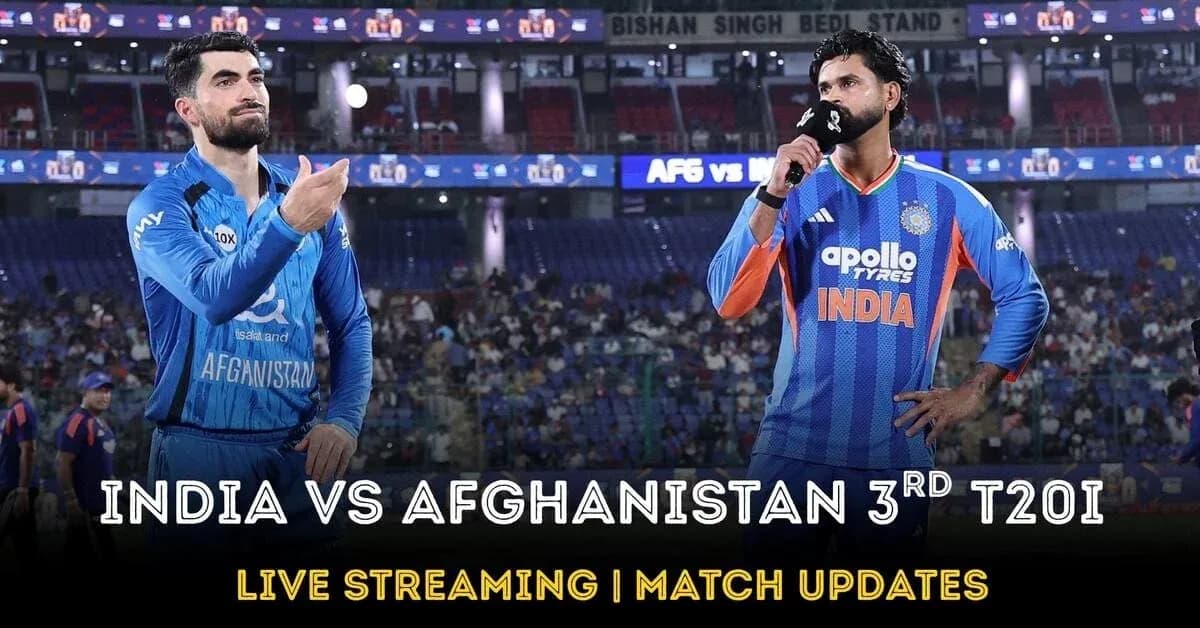
“We would have definitely batted first as well,” the India captain said at the toss, revealing he had read Ibrahim Zadran’s mind. He spoke of challenge and discipline, of resisting the urge to go “completely berserk” despite batting first. Adapt, assess, then attack: that was the plan. One change only, Yash Thakur in for Arshdeep, but the message remained clear—no complacency, no overcomplication, just instincts backed hard.
Across the line, Afghanistan tried to reset their own story.
“We are going to bowl first,” Ibrahim Zadran said, finally getting the decision he had wanted in the previous two games. He liked what he saw in the surface, calling it supportive for bowlers, and backed his attack to execute plans and squeeze India to a manageable total. The aim was simple: apply pressure, deny a big score, and salvage pride after a series already lost.
He did not sugarcoat where his side had fallen short. Afghanistan’s middle order had crumbled in both matches. Rahmanullah Gurbaz, their explosive opener, had bagged ducks in both games, leaving them exposed early and scrambling for a platform that never came. Their batting had been underwhelming, never giving themselves enough of a base to truly compete with a heavyweight India side.
Zadran laid out the target clearly: 200 or bust.
“We thought about the things that how to improve that 150-160 to 200 plus,” he said. The intent had to change. Afghanistan, he stressed, needed to walk out with a mindset to score 200-plus if they wanted to trouble one of the best T20 teams in the world. Right intent, full commitment, no fear.
Two changes underlined the shake-up. Gulbadin Naib and Noor Ahmad made way, with Abdullah Ahmadzai and Noor ul Rahman brought in to freshen the attack and add options. The goal was not just to compete for a night, but to leave with something tangible before they boarded the flight to Japan—confidence, clarity, a reminder to themselves that they could stand toe-to-toe with the game’s elite.
But on this evidence, with Abhishek Sharma blazing and Samson joining in the fun, intent alone would not be enough. The gap, in execution and ruthlessness, looked stark. The question now is whether Afghanistan can close it quickly, or whether nights like this will keep reminding them how far they still have to climb.