.svg&w=384&q=75 "logo")
India storms into sixth straight Women’s Asia Cup final with spin choke
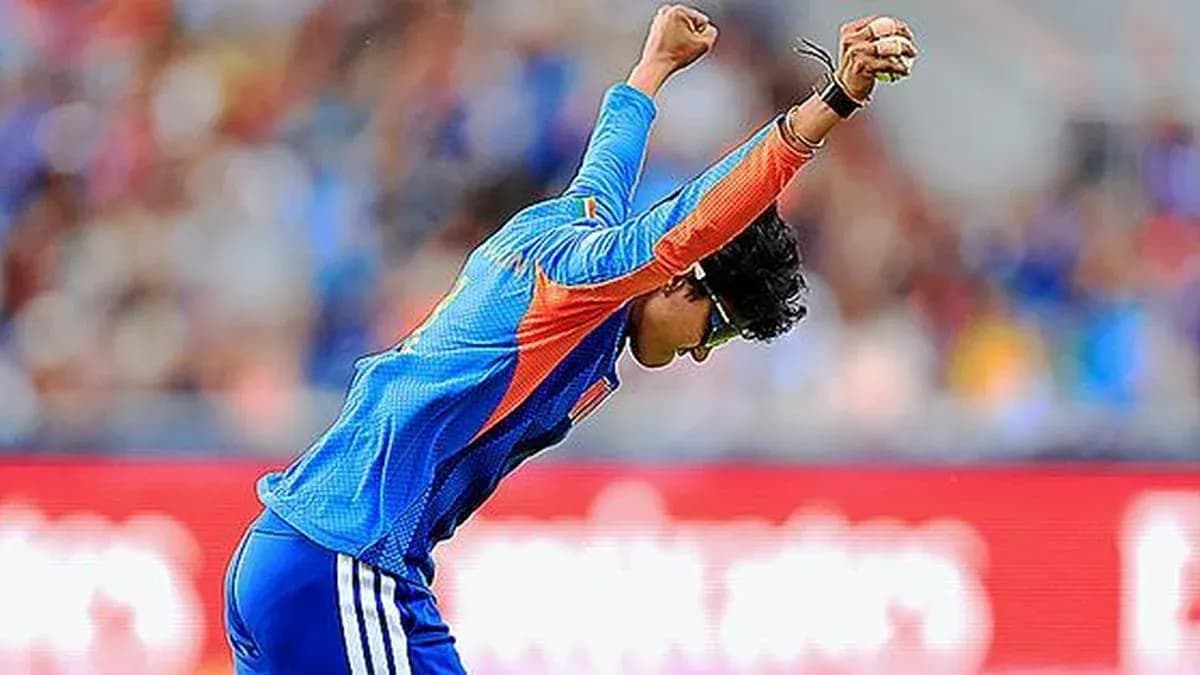
At a ground where spinners rule and totals shrink, India stretched 149 into a mountain and then hurled Bangladesh off it.
A 40‑run win in Dubai sent Harmanpreet Kaur’s side into a sixth consecutive Women’s Asia Cup final on Thursday night, the familiar blue shirts once again the last ones standing on the boundary rope. Bangladesh’s chase never truly lived, smothered by India’s spin cartel and their own butter‑fingered fielding earlier in the evening.
India will now face the winner of Pakistan vs Sri Lanka in Sunday’s final. Whoever comes through knows exactly what awaits: runs from Shafali Verma, and a slow, strangling death by spin.
Shafali rides her luck, then makes Bangladesh pay
The night belonged, as it so often does in this format, to Shafali.
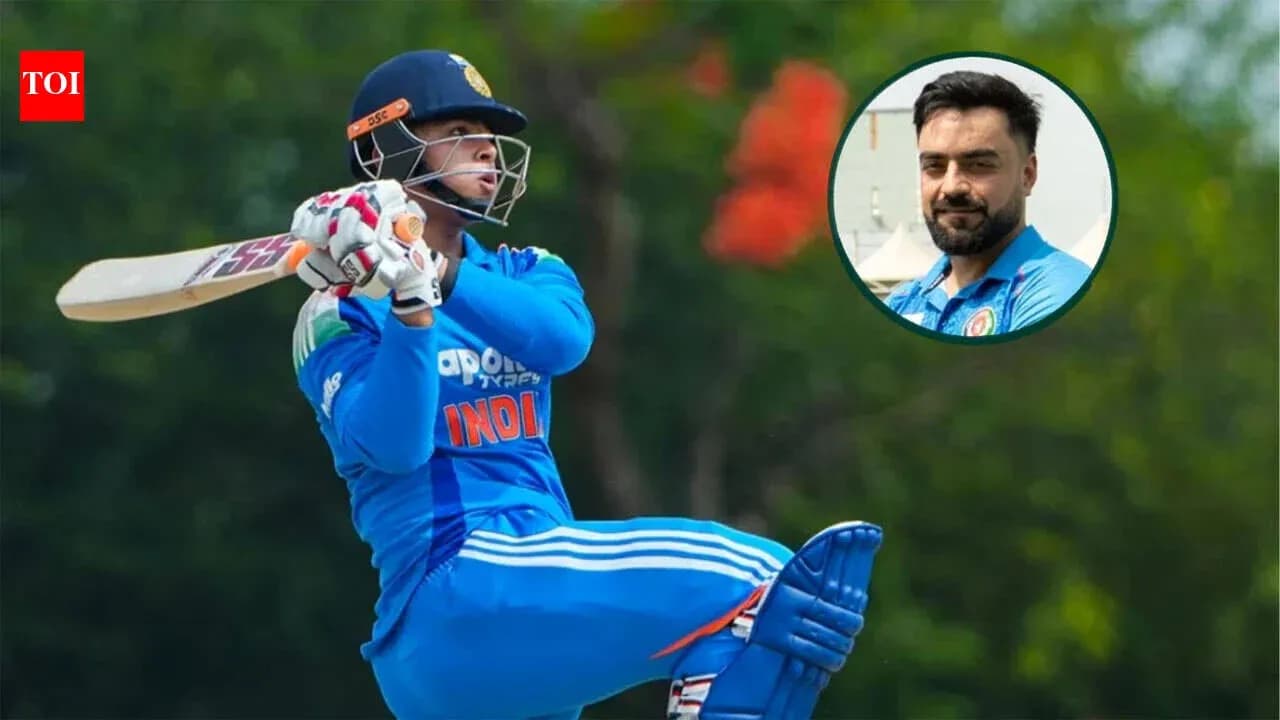
Dropped three times – on 6, 11 and 56 – she carved 64 off 40 balls, an innings stitched together with seven fours, three sixes and a heavy dose of Bangladeshi regret. On a tacky surface where every boundary felt like a small rebellion, Shafali’s power gave India a platform they never relinquished.
The innings began quietly enough. India, put in by Nigar Sultana, lost Smriti Mandhana early for 2, the left-hander miscuing Sultana Khatun to Shorna Akter after just nine runs on the board. Shafali, though, had already been handed her first life: Fahima Khatun shelled a straightforward chance at mid-on in the second over.
The warning went unheeded.
Shafali flicked Marufa Akter for her first four, then launched into Sultana Khatun in the fourth over. She walked down the track and pumped back‑to‑back sixes – straight, then over mid-off – the sound of bat on ball echoing around the Dubai International Stadium. By the end of the PowerPlay, India were 45 for 1, Shafali in full control, Bangladesh clinging to the hope that the law of averages might do what their fielders could not.
It did not. Not quickly, anyway.
Pratika Rawal, in for Jemimah Rodrigues, chipped in with a six over mid-wicket off Rabeya Khan but never quite broke free. The middle overs tightened. From overs 8 to 10, India went boundary‑less as Bangladesh’s spinners, led by Rabeya and Fahima, finally found their lengths and fields.
The pressure should have told on Shafali. Instead, Bangladesh cracked again. She was put down twice more – a misjudged catch at long-on, then another sitter in the deep – as she moved to a 40‑ball 64, her 20th T20I fifty at just 22. The strokes kept coming: a reverse sweep off Nahida Akter, a pulled four through cow corner, a thick edge over backward point that turned mishit into reward.
Eventually, the luck ran out. Trying to keep the tempo up against Sultana Khatun in the 14th over, Shafali picked out deep mid-wicket. Catch finally taken. Damage long since done.
Harman grinds, Richa and Deepti drag India to 149
With Shafali gone at 92 for 3, the game swung towards a familiar question: could India’s middle order stand up?
Not convincingly, but just enough.
Harmanpreet Kaur scratched and searched, never quite in rhythm. At one stage she crawled to 13 off 22 balls, repeatedly beaten in the flight by Fahima and Nahida, mistiming drives and pulls. The captain did break free briefly – a straight six off Fahima, another maximum off a Nahida full toss – but this was a night where she fought the pitch and her timing in equal measure.
Around her, Richa Ghosh injected the urgency India needed. She survived a skied chance that fell in no woman’s land, then muscled Rabeya for a straight six and later carted Shorna Akter over long-off. Her 21 off 16, with two sixes, snapped India out of a lull just as Bangladesh threatened to drag them back to a par score.
The real sting came at the end.
Walking in with nine balls left, Deepti Sharma read the pitch and the bowler perfectly. After a dot to start the final over from Marufa, she slashed behind square for four, then picked the slower ball and lofted it just over long-on for six. Two more down the ground, then an attempted big shot that found mid-off. A 6-ball 13 from Deepti, all in the last over, nudged India to 149 for 6 – a total that suddenly looked imposing on a surface gripped by spin.
Bharti Fulmali was run out off the final ball without scoring, but by then India had what they wanted: runs on the board, and a pitch ready-made for their attack.
Charani’s milestone and the spin squeeze
If the first innings was about Bangladesh dropping chances, the second was about India refusing to drop their standards.
Kranti Gaud and Nandani Sharma opened up, but the tone truly shifted when N. Shree Charani came on in the fourth over, one wicket away from history. She had already dominated this tournament; now she stepped into the record books.
Her first over was tight, her second decisive. Juairiya Ferdous, who had started brightly with a brace of boundaries, miscued a top edge and Richa Ghosh did the rest behind the stumps. Charani finished with a wicket‑maiden, her 50th T20I scalp of the year, equalling the record for most wickets by an Indian in women’s T20Is in a calendar year.
Bangladesh never recovered from that chokehold.
Deepti joined the act in the eighth over, removing Dilara Akter for 21 as the batter’s frustration spilled out in a curse to the sky after holing out to Kranti at mid-wicket. At 35 for 2 after eight, the required rate had already ballooned past eight an over, and India had barely moved out of second gear.
The spinners rotated like clockwork. Prema Rawat teased and turned it from one end, Deepti and Charani from the other. By the 14th over, Bangladesh were 73 for 3, going at exactly five an over, the chase slipping away with every dot.
Deepti then delivered the killer blow. She knocked over Sobhana Mostary for 18, middle stump pegged back by a straight one as the batter played all around it. Nigar Sultana tried to counterpunch, stepping out to launch a massive six off Deepti, but the resistance was fleeting.
Prema removed the Bangladesh captain for 19 in the 15th over, Nigar’s attempted attack ending in a leading edge to short third, where Nandani made no mistake. At 76 for 4, the contest became a formality.
Shorna swings, but India shut the door
Only Shorna Akter briefly threatened to disturb India’s script.
She walked in with the asking rate spiralling and swung hard, twice clearing the ropes – once off Deepti, once off Shafali – with clean, straight hitting. One of those blows came amid a nasty collision in the deep, as Richa Ghosh and Kranti crashed into each other chasing a top edge. Both eventually rose with thumbs up, a brief scare in an otherwise controlled defensive effort.
Shorna’s aggression, though, arrived too late and with too little support. Sharmin Akhter was bowled by Deepti for 1, trying to manufacture something out of nothing. The required rate soared into double figures, the fielders ringed the boundary, and every dot felt like a nail hammered into the chase.
By the time the final two overs arrived, Bangladesh needed miracles. India offered none.
Charani’s last over went for just a handful, her left-arm spin still gripping and turning. Nandani Sharma, asked to close it out with Bangladesh 109 for 6, did it with ruthless efficiency. She first had Fahima Khatun caught at short backward point for 14 off 14, the batter’s inventive dilscoop for four earlier in the over merely a footnote. Off the final ball, Rabeya Khan trod on her stumps attempting a desperate shot. Hit wicket, 0 off 1, and Bangladesh finished on 109 for 8.
India had won by 40 runs. They had also sent a message.
A familiar stage, a familiar threat
This was India at their most assured: top-order firepower, middle-order grit just about holding, and a spin unit that turns chase after chase into a slow suffocation.
Charani’s milestone, Deepti’s control, Prema’s clever variations, and Shafali’s bruising 64 formed the spine of a performance that left Bangladesh with no route back, no repeat of their 2018 heroics.
Now comes the final, and with it a fresh opponent – Pakistan or Sri Lanka – but a very old question.
On a Dubai pitch that belongs to the spinners, who dares to take on India’s slow-bowling empire when the trophy is on the line?