.svg&w=384&q=75 "logo")
England's Summer Cricket Review: Performances and Selection Dilemmas
Under heavy skies and under heavier scrutiny, England’s summer closed with a nervy win over Pakistan and a series of individual auditions that told their own stories. Some players booked winter seats. Others face awkward conversations.
England: Places Won, Places in Peril
Emilio Gay walked into this Test needing a statement and, for a while, he delivered it. His first-innings 60 was a gritty, Test-best effort, carved out in awkward conditions that had better players groping. It looked like the sort of innings that gets you on a plane to South Africa. Then came the second innings and a duck that reopened the debate. One step forward, one step back. Series mark: 6.
At the top of the order, Ben Duckett’s summer simply fell apart. Scores of 11 and 0 here, 44 runs at 8.8 across the three Tests. An opener’s job is to set a platform; he has instead handed the selectors a problem. The numbers are brutal, and so will be the scrutiny. Series: 2.
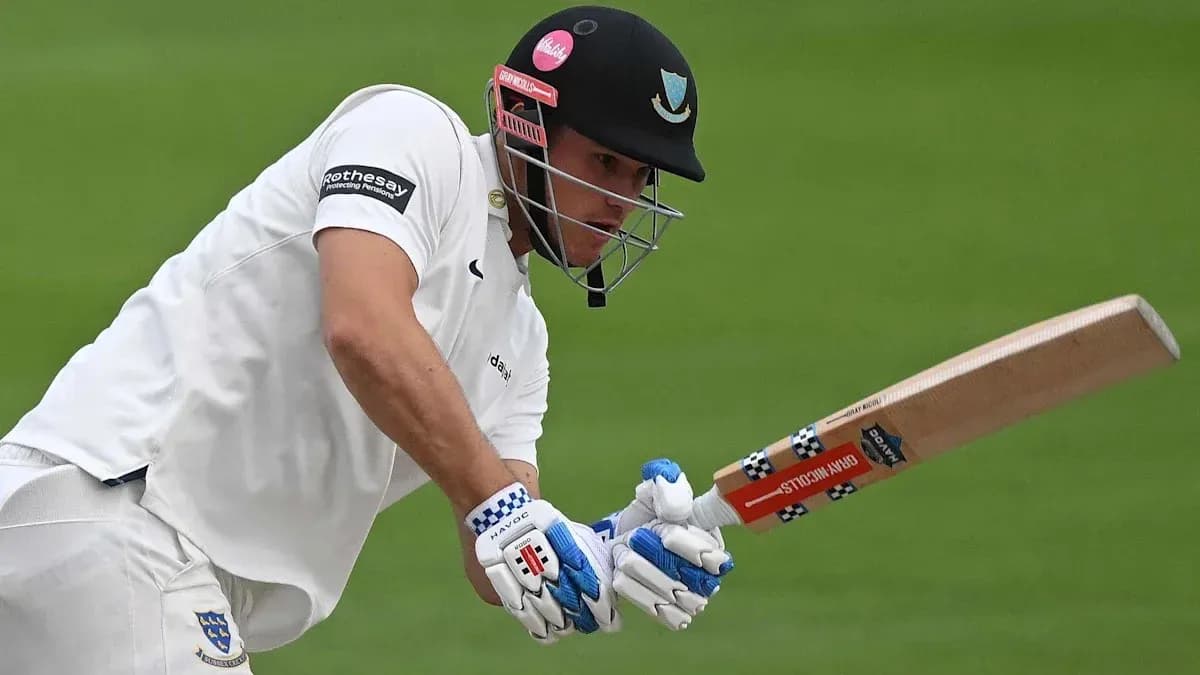
Jordan Cox had the opposite trajectory. A cheap first-innings dismissal, then calm amid the chase. His unbeaten 59, compiled without fuss after a wobble, drained the tension from the run pursuit. With the gloves, he was even better: five dismissals, sharp and assured, after being thrust into the role when Jamie Smith’s finger gave way. It felt like a live audition for a dual role he may now seriously be in contention for. Series: 7.
Joe Root’s Test was a neat snapshot of his current reality. With the bat, class and control: 62 not out to drag England over the line when nerves were fraying. With the armband, more questions. His fields and tactics during Pakistan’s second innings will be revisited in meeting rooms. And then there’s that lbw trend – 10 in 14 innings – a technical itch England’s all-time leading run-scorer still hasn’t fully scratched. Series: 7.
Harry Brook finally looked like the grown-up in the room. On day one, as Pakistan sniffed an opening, he batted with discipline rather than bravado, reining in his instincts for a mature 75. The run-out, with a century in sight, was clumsy but forgivable given the application that came before it. Across the series he was England’s leading run-scorer: 215 at 53.75. The numbers say it clearly – this was his series. Match: 7, Series: 8.
Dan Lawrence has been shunted around the order so often he could be forgiven for losing his bearings. Here, he finally imposed himself. A measured 65, full of poise and intent, suggested a player who deserves a proper run in the middle order rather than a bit-part role. His bowling barely got a look, but a series batting average of 46.75 will look very tidy when winter squads are discussed. Match: 7, Series: 7.
Jamie Smith’s game was half-formed, much like his current Test career. Another useful half-century – his second in as many matches – without quite finding that old fluency. Behind the stumps in Pakistan’s first innings he was competent, then a finger injury forced him off and opened the door for Cox. A solid, if frustrating, outing. Match: 6, Series: 6.
Gus Atkinson’s match felt like a story of two spells. Wicketless in the first innings, he looked destined for another “nearly” performance. Then came the switch to the City End, the legs pumping again, and three wickets to show for his efforts. Not spectacular, but important, and a reminder there’s more to come. Match: 6, Series: 5.
Jofra Archer’s return continues to be laced with both excitement and anxiety. He went around the park a bit in the second innings, but the pace and hostility were back. The ball that removed Saud Shakeel – a vicious, rising brute – was a chilling reminder of what he can do when his body cooperates. England will wrap him in cotton wool over the next 12 months; he changes the entire feel of the attack when he’s fit. Match: 7, Series: 8.
Ollie Robinson, though, remains the metronome. Give him a Dukes ball and English conditions and he becomes a problem few can solve. This was another masterclass in control, angles, and relentless probing. He ends the series with 21 wickets at a scarcely believable 8.76, and even had time for a breezy half-century on day two to entertain the crowd. Right now, there might not be a better seam bowler in these conditions. Match: 8, Series: 9.
Josh Tongue once again did the ugly work with a smile. His 4-42 in the first innings cleaned up Pakistan’s lower order and kept England on top. Across three Tests he has 19 wickets and the look of a man who has quietly become a vital cog. Not flashy, just effective. Match: 7, Series: 8.
Pakistan: A Star Emerges, Questions Linger
For Pakistan, this was a tour of flickering promise and familiar frustration.
Azan Awais is still learning the rhythms of Test cricket, but there was real fight in his second-innings 59 from 84 balls. Pakistan were 0-2 and teetering when he dug in. It wasn’t a match-defining knock, but it felt like a glimpse of something worth persisting with. Match: 7.
Saim Ayub’s recall, after wholesale changes, told of a side searching for answers. He arrived undercooked, without a first-class game since last October, and it showed. A pair, almost inevitable in the circumstances. He earns the faintest of credit for dropping the CPL at a moment’s notice to answer the call, but this was harsh exposure. Match: 1.
Abdullah Shafique has the talent, and two half-centuries in the series prove it, yet when the clouds rolled in he was easy prey. Under leaden skies he was twice removed cheaply by Robinson – 3 and 0 – as England’s seamer toyed with him. Match: 1.
Shan Masood embodied Pakistan’s resistance. His first-innings dismissal was meek, but when the pressure tightened in the second, he rolled up his sleeves. A composed, defiant 95 anchored the innings and gave his side a fighting chance. It was leadership by example, even if the scoreboard ultimately turned against him. Match: 8.
Babar Azam reminded everyone, briefly, why he is still spoken of among the world’s finest. His 76 was all timing and elegance, a classy innings that arrived too late to reshape the contest. As a polarising captain in Pakistan cricket, he will not escape the post-tour inquest, but with the bat, the talent remains unmistakable. Match: 6.
Saud Shakeel lived a charmed life at times, yet still emerged as Pakistan’s leading run-scorer in the series with 204 at 34. His 43 in the first innings was the top score, his 29 in the second cut short by that savage Archer bouncer. Not dominant, but consistently in the fight. Match: 6.
Ghazi Ghori endured a debut he will want to move past quickly. Scores of 4 and 16 with the bat and a difficult time with the gloves, particularly standing up to the stumps where he leaked 18 byes, made for a tough introduction. Match: 2.
Mohammad Imran, by contrast, quietly did his job. The most economical of Pakistan’s bowlers, he offered control at a time when England threatened to run away. His figures won’t leap off the page, but his discipline kept a lid on the scoring. Match: 6.
Then came Razaullah Khan, the headline act. At 21, he walked in and changed the tone of the series. With the ball, he brought bite and menace, his 4-148 in the first innings evoking memories of a young Waqar Younis – skiddy, attacking, always in the contest. With the bat, he was something else entirely: a spellbinding 81, laced with nine sixes, a joint-best mark that lit up the match and left a permanent mark on the series. A star is born, and Pakistan know it. Match: 9.
Mohammad Ali hunted for wickets and often beat the bat, but too often lacked the consistency and control required at this level. The no-ball that cost him Root’s wicket in the second innings summed up his Test: promise undermined by lapses. Match: 5.
Mohammad Abbas, Pakistan’s ‘Mr Dependable’, did what he always does. At 36, he shouldered a heavy workload without complaint, kept plugging away, and made handy lower-order runs that forced England to bat again. On day four he got the ball talking, bending it just enough to make the hosts sweat. Match: 7.
England leave the series with a win, a revitalised seam attack and a handful of selection headaches. Pakistan depart with bruises, a new fast-bowling star, and a captain under pressure. The next time these sides meet, how many of these names will still be in the same roles?