.svg&w=384&q=75 "logo")
The Tragic Story of Dhruva Pandove: A Rising Cricket Star

On a fog-drenched January night in North India, a taxi rolled out of Ambala and never made it to Patiala. Inside sat an 18-year-old batsman who had spent the past few years sprinting through Indian cricket’s record books. His name was Dhruva Pandove, and he was in a hurry — to see his parents, to score more runs, to catch up with Sachin Tendulkar on the road to the India cap.
The fog didn’t care.
He had just played a Deodhar Trophy game in Odisha and travelled to Ambala. From there, the plan was simple: head home to Patiala to be with his family before facing a touring team in the coming days. January in the north can be brutal — thick fog, zero visibility, highways reduced to guesswork. Chetan Sharma, still an active cricketer then, urged him to wait, to leave only when the roads were safe.
Dhruva chose time with his parents and the promise of that next match. He got into a taxi. Somewhere on that road, a thunderous crash ended everything. He was rushed to hospital, but the injuries won. At 18, on the cusp of India’s Test side, Dhruva Pandove was gone.
He had lived quickly, and he had left a mark that belied the years next to his name.
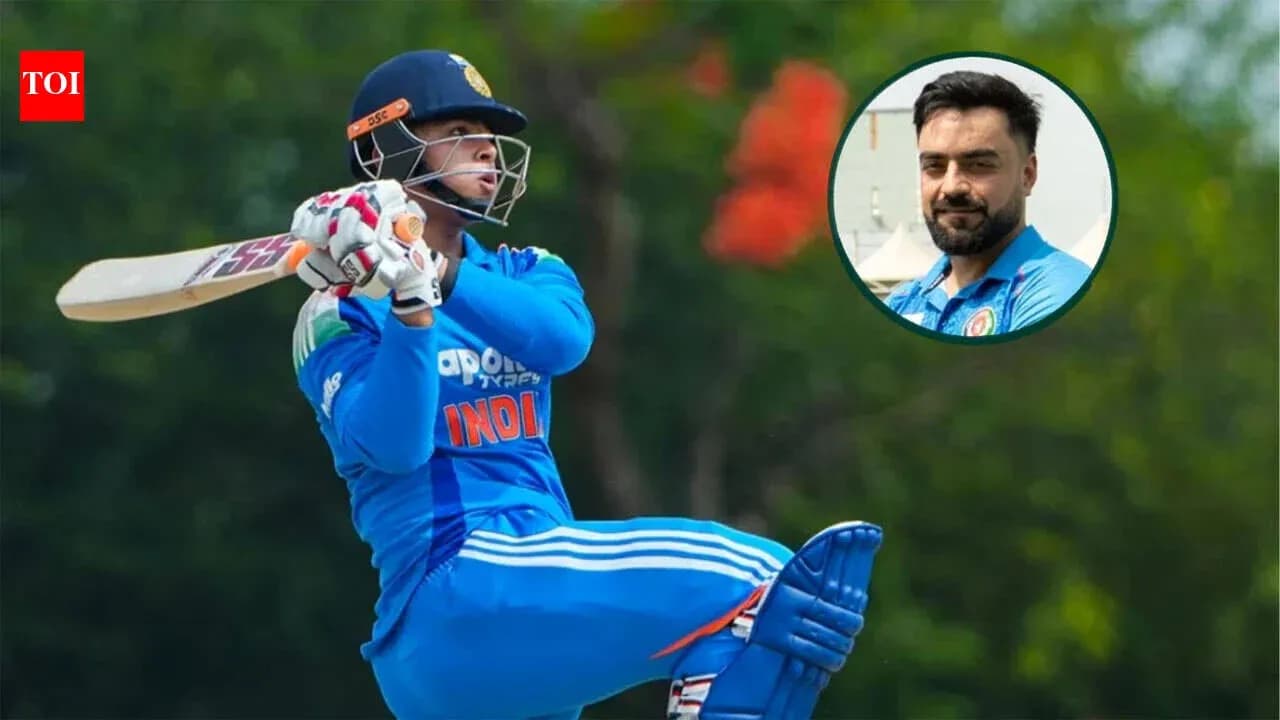
By 13, he had already walked into first-class cricket — two years earlier than Tendulkar. At 14, he raised his bat for a first-class hundred; Tendulkar’s first came at 15, and Dhruva’s contemporary Sooryavanshi is still waiting for his. At 17, he became the youngest player to 1,000 Ranji Trophy runs. The numbers kept dragging his name into the same sentences as Tendulkar’s. The comparisons weren’t idle chatter; they were born from scorecards and stunned dressing rooms.
Tendulkar had already taken the final step into international cricket. Dhruva was straining at the same door, convinced that a heavy haul against the touring side would force the selectors’ hands. A Punjab batsman with six List A games to his name, he believed he was one innings away from changing his life.
Instead, that journey from Ambala changed everything for his family.
The Pandove household never recovered in full. The youngest son, Kunal, was barred from chasing the same dream. His mother went as far as burning his cricket kit, an act of grief and fear rolled into one, to make sure he could never follow the same path. Nearly 34 years have passed, and time has done what it always does — blurred edges, softened memories, pushed stories to the margins.
Yet for those who saw Dhruva bat, the sadness still sits close to the surface.
Anil Kumble, who turned out for South Zone in that Deodhar Trophy game, remembered him years later when speaking to The Hindu. “I remember Dhruva as a good, up-and-coming batsman. It was so sad to see a talent promise the world and then suddenly leave it.” The words are simple, but the weight behind them is obvious: Kumble had seen enough to know what might have been.
Former India and Punjab opener Vikram Rathour, who shared a dressing room with Dhruva, offered a different angle on the same loss. “He had a mature head on his shoulders and was very intelligent in cricket matters. He had a great future in the game.” The talent was there, but so was the temperament — that rare mix that turns prodigies into professionals and professionals into stars.
Then there is Ajay Jadeja’s memory, which cuts straight to the heart. “He had so much life in him. I have not seen anyone that young so fearless. He could take on anyone. His spirit to fight was very infectious.” You can almost see the teenager he’s talking about: chest out, eyes bright, bat in hand, convinced no bowler could hold him.
That’s the part that stings most. Not just the runs that never came, but the presence that vanished overnight.
Indian cricket has surged forward since that winter. The board now towers over the sport, the game at home has turned into an industry, and a new generation of fans barely recognises the names that once echoed around dusty grounds and small pavilions. Seasons have piled on seasons; new heroes have replaced old ones.
Yet every now and then, when someone mentions a 13-year-old debut, a 14-year-old century, a 17-year-old chasing down records, the mind drifts back to Dhruva Pandove and that road cloaked in fog.
What if that taxi had reached Patiala?
It’s not a question that changes anything. But it lingers, stubbornly. Because the honest answer is this: India almost certainly lost another star to boast about, another name to stitch into the long, loud fabric of its cricketing pride.