.svg&w=384&q=75 "logo")
Bavuma Leads South Africa's ODI Squad Against Australia
Temba Bavuma will lead South Africa into a fresh home summer, with pace and intent stamped all over the squad named to face Australia in a three-match ODI series later this month.
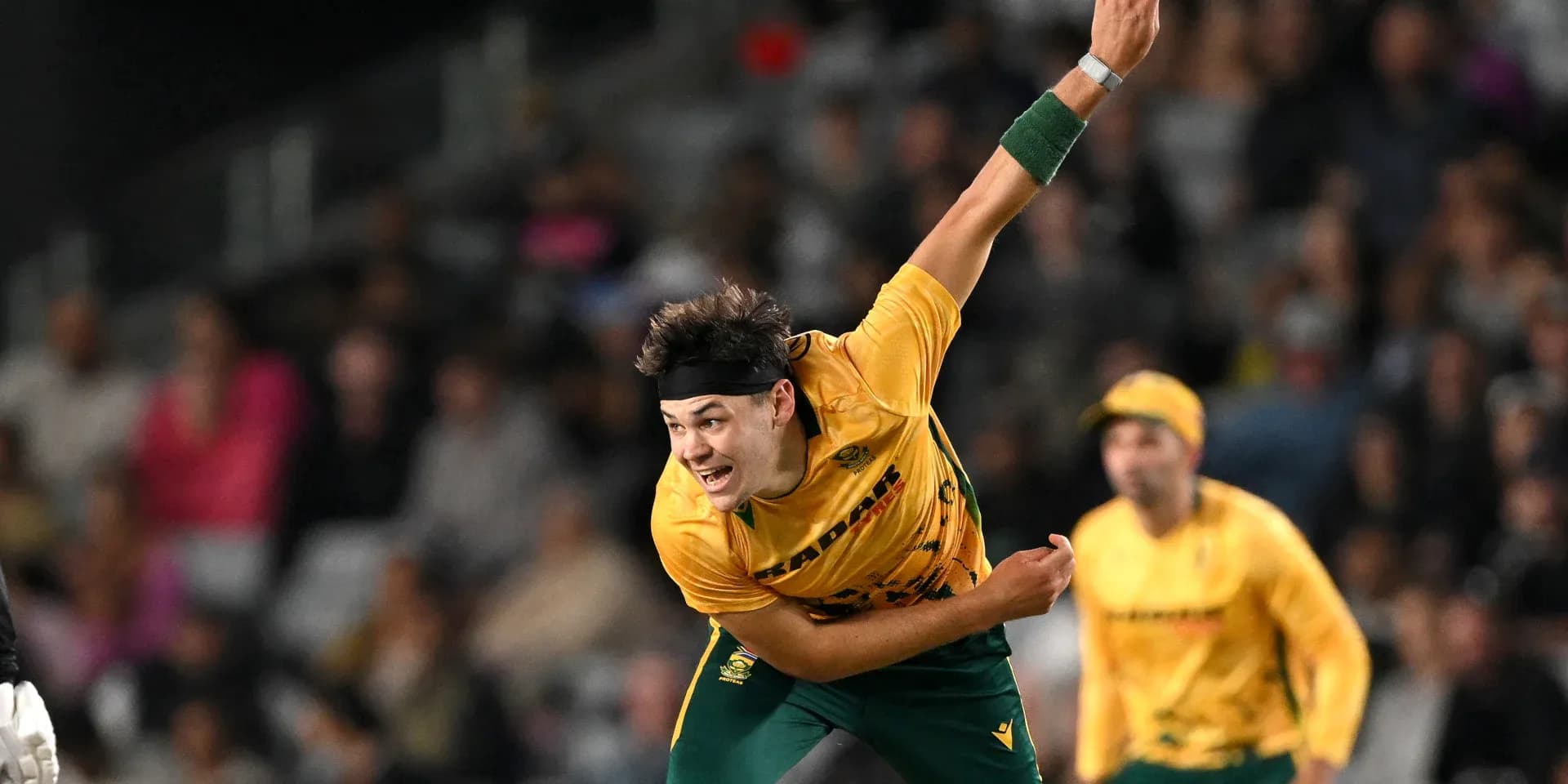
The headline return belongs to Gerald Coetzee. Three years out of the 50-over side. Back now, older at 25, still quick, still hostile.
Bavuma at the helm, Coetzee back in the pack
Cricket South Africa confirmed on Monday that Bavuma will captain the Proteas for the Dafabet ODI series from 24–30 September, with Coetzee recalled as part of a muscular fast-bowling unit.
The quicks look stacked. Coetzee joins Ottneil Baartman, teenage left-armer Kwena Maphaka and Lungi Ngidi, with allrounders Corbin Bosch and Marco Jansen adding more pace and bounce. It is a group built to attack, not just contain.
Spin has a settled feel. Lions captain Bjorn Fortuin, currently leading the Proteas on their white-ball trip to Namibia, is in, alongside Keshav Maharaj, who remains the senior spinner and tactical anchor through the middle overs.
Batting order loaded with options
The top order carries both stability and intrigue. Aiden Markram will be available for the second and third ODIs, giving South Africa a proven presence at the crease once he links up with the squad. Quinton de Kock, Ryan Rickelton and Tony de Zorzi offer multiple combinations at the top, whether the Proteas want left-right variety or pure aggression.
Behind them sits power. Matthew Breetzke, David Miller and Tristan Stubbs bring heavy scoring potential to the middle order, the kind of hitters who can either rescue a wobble or turn a solid platform into something match-defining.
Head coach Shukri Conrad made it clear the batting blueprint is deliberate. The aim is a middle order that can clear the ropes but also dig in, soak up pressure and bat deep into the innings when the situation demands. With the next ICC Men’s Cricket World Cup just over a year away, every selection has a World Cup shadow behind it.
This Australia series is the first step. Bangladesh and England follow later in the season, and Conrad wants to use this stretch to refine roles and combinations, not just shuffle names.
Rabada ruled out, opportunity knocks
There is one notable absentee. Kagiso Rabada will miss the series through injury, a blow to any attack.
Conrad framed it as a door opening. Without Rabada, others must carry the new ball, own the death overs, shoulder the pressure. Coetzee’s return fits that narrative, as does Baartman’s inclusion after he showed his value at the death in recent outings. The message is clear: places for the World Cup run-in will be earned now, not assumed.
By all accounts, Coetzee has been bowling with serious pace again. If he clicks, South Africa suddenly have another genuine strike option to rotate with Ngidi, Jansen and the rest.
A summer that starts in Durban and turns pink in Johannesburg
The series begins on 24 September at Hollywoodbets Kingsmead Stadium in Durban, the first assignment of the home summer. From there, the teams move to Johannesburg for one of the most emotive fixtures on the South African cricket calendar.
Pink Day at DP World Wanderers Stadium, set for 27 September, returns as the centrepiece. The stadium will again be awash in pink as the Proteas and their supporters rally around the fight against breast cancer, an occasion that always seems to lift the energy on and off the field.
Conrad spoke of the “palpable” excitement around Pink Day, and history backs him up. The Wanderers under a sea of pink has produced some of South Africa’s most memorable one-day performances. The expectation is that the spectacle will match the stakes.
The series then closes at the NWC Oval in Potchefstroom on 30 September, a ground that often rewards disciplined seam bowling and smart batting.
Australia, memories of a comeback – and what comes next
Australia know what awaits them. The last time they toured South Africa for ODIs, in 2023, they surged 2–0 ahead in a five-match series. The Proteas responded with a surge of their own, winning three on the bounce to take the series 3–2 and flip the narrative.
That comeback still lingers in the background. It offers belief to a squad that now looks slightly different, a touch younger in places, but no less ambitious.
This time the canvas is shorter: three matches, no room for slow starts, no luxury of a long chase-back. With Bavuma in charge, Coetzee roaring back into the fold, and a World Cup cycle tightening, every spell and every innings against Australia will carry weight far beyond the final scorecard.
For some in this squad, these nine days from Durban to Potchefstroom could decide whether they are passengers or protagonists in South Africa’s next World Cup campaign.