.svg&w=384&q=75 "logo")
Babar Azam’s Short-Ball Struggles Continue as England Capitalize Again
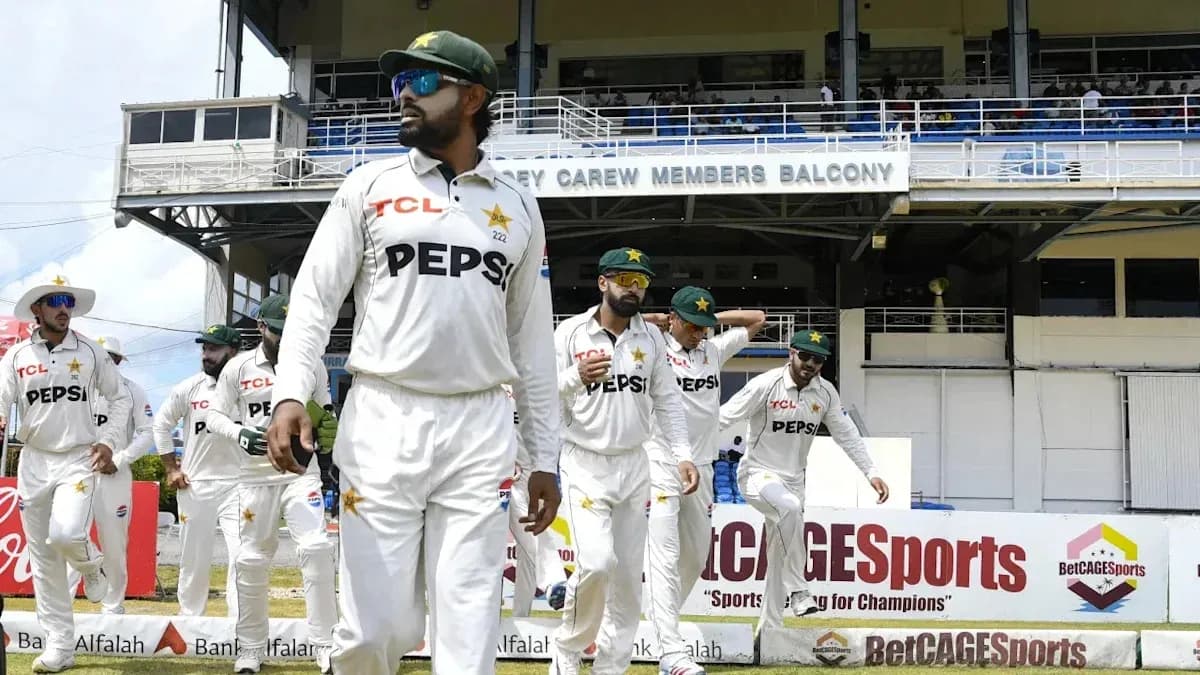
On the flattest pitch of the series, with runs there for the taking and Pakistan desperate for a statement innings from their captain, Babar Azam walked straight back into the one trap everyone in the ground could see coming.
England banged it in short. Babar hesitated. And the reaction from the cricket world was brutal.
A Flat Track, a Golden Chance, a Familiar Ending
Pakistan’s batters finally found some resistance in the final Test, dragging themselves past 400 in the second innings on what was described as the flattest surface of the year. It may still not be enough to seriously threaten England, but after a poor series with the bat, it felt like a rare foothold.
This was the stage built for Babar.
He moved to 76, timing the ball sweetly, Pakistan still 42 runs shy of England’s imposing 453. The situation screamed for a captain’s hundred: time in the middle, a platform for his side, a chance to break a red-ball slump that has shadowed him for months.
Instead, the same old script.
Josh Tongue, who had already removed him for seven in the first innings, dug one in again. The field was set, the plan was obvious, the history was fresh. Babar’s response? Frozen feet, muddled intent, and another soft surrender to the short ball. On this surface, against this attack, it was as close to a gift as Test cricket offers.
Nasser Hussain Calls It Out
The dismissal didn’t just sting Pakistan. It lit up commentary boxes and social media alike.
Former England captain Nasser Hussain went straight for the technical and mental flaw on air, using the man at the other end as the sharpest possible contrast.
“You bowl short to Saud Shakeel, and he goes down straight away. You bowl short to Babar Azam, and he doesn’t know whether to pull, hook, or leave,” Hussain said. “At the moment, Saud Shakeel is giving him a masterclass.”
It was a savage assessment, but it matched what viewers were seeing. Shakeel looked decisive, clear in his method against the bumper. Babar looked trapped in his own head, stuck between options, and punished for it again.
On a pitch giving the quicks almost nothing, that indecision felt unforgivable. This was supposed to be the innings that reset his red-ball narrative. Instead, it underlined just how deep the problem runs.
Fans Turn on Their Captain
Once Babar trudged off, the reaction was instant and merciless.
One fan summed up the obviousness of England’s plan: “Babar Azam got trapped in the short ball plan and gifted his wicket after playing a fine knock…” The frustration wasn’t about the score of 76. It was about how it ended, and how often it keeps ending the same way.
Another voice on social media didn’t bother softening the blow: “ANOTHER EMBARRASSING WAY TO GET OUT, BABAR AZAM. - Literally threw his wicket away.” That word — embarrassing — cropped up often. Not for a youngster learning the ropes, but for a captain with more than a decade of experience and multiple innings now against Tongue.
“You’d have thought that Babar Azam would be too experienced to have repeatedly fallen into England’s short ball trap,” one fan wrote, echoing the disbelief spreading through Pakistan’s support base. The idea that he could still be undone by such a telegraphed tactic felt, to many, beyond comprehension.
The surface only sharpened the criticism. “Babar Azam missed out on big runs. Flattest pitch of the year. He had an easy hundred for the taking. And possibly more,” another fan lamented. This wasn’t a green seamer or a raging turner. This was a road, and he still found a way to drive off it.
There was even room for a grim joke at his expense, as one supporter noted that debutant Razatullah would finish the series with a better average than Pakistan’s premier batter. The punchline cut because it was true.
A Technical Flaw, or Something Deeper?
This isn’t just a bad patch anymore. Not when the same bowler, with the same plan, keeps getting the same result.
Babar’s problem against the short ball has moved beyond a minor weakness into a glaring target. When England push a quick into the pitch with men back, his footwork stalls. The decision-making window closes. He hangs in the danger zone, neither fully committed to the hook nor disciplined enough to sway or leave.
At this stage of his career, that kind of paralysis is a damning indictment. Opposition captains don’t need to be inventive; they just need to be patient. Set the trap, wait for the misjudgment, and watch the wicket column tick over.
That is exactly what Tongue has done, again and again.
Pakistan’s Bigger Problem
By the time Pakistan’s innings closed, England were left needing just 130 to win the third Test and complete a whitewash. Against that backdrop, Babar’s failure looms even larger.
This is the man expected to anchor the innings, to absorb pressure, to show his dressing room how to bat long in tough conditions and easy ones. Instead, his recurring flaw has become one of Pakistan’s most damaging weaknesses.
The criticism now goes beyond his technique. Fans and former players are questioning his game sense, his adaptability, and his responsibility as captain. When the team needs stability, he is offering volatility. When they need clarity, he is offering hesitation.
Until he confronts this short-ball issue head-on — not just in the nets, but in the furnace of a live Test — every fast bowler in the world will keep loading the same bullet. The field will go back. The bouncer will come. And the question will hang in the air:
Will Pakistan’s captain finally find an answer, or will he keep walking straight into the easiest trap in red-ball cricket?