.svg&w=384&q=75 "logo")
Australia's Fiery Return to South Africa with Pace and Labuschagne
Australia will return to the scene of one of their most infamous tours with all their heavyweight fast bowlers on board – and a clear show of faith in Marnus Labuschagne.
The 16-player squad named for the three-Test series in South Africa, starting October 9 in Durban, leans on experience with the ball and persistence with a batting star searching for his old rhythm. Labuschagne, without a Test century since July 2023, keeps his place despite a lean run that might have tested the patience of less settled selectors.
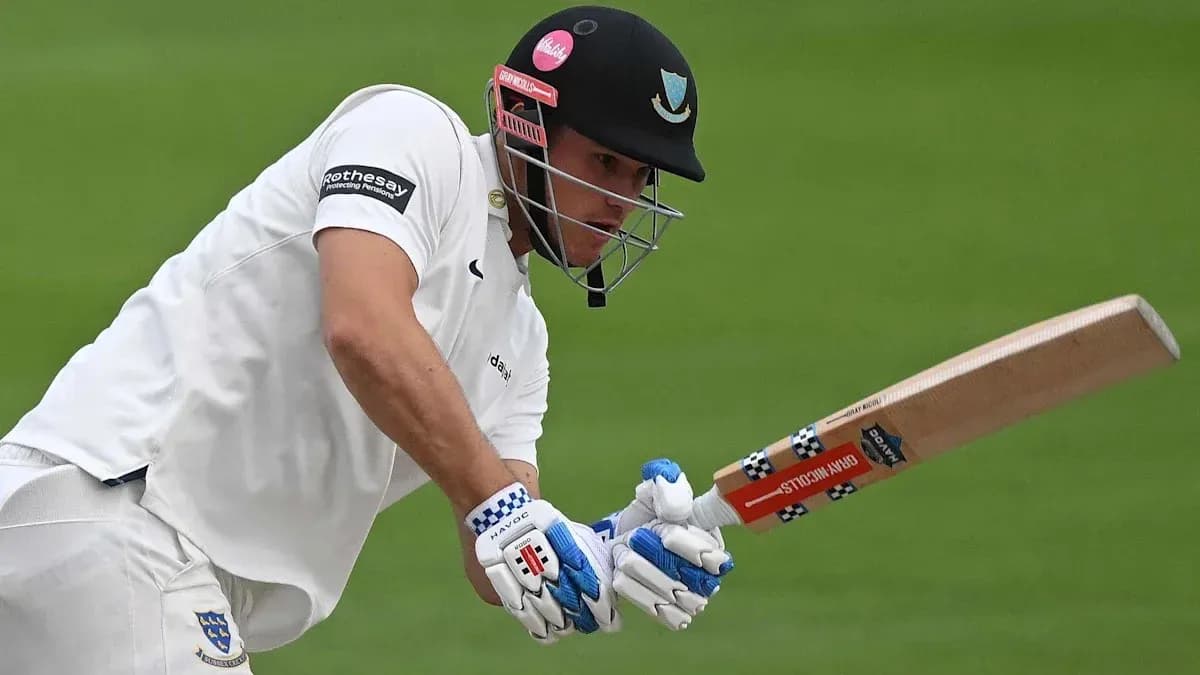
He forms part of a core batting group featuring Travis Head, Matthew Renshaw, Steve Smith and the emerging Cooper Connolly, while the all-round options are well stocked through Cameron Green and Beau Webster. Australia are not travelling light. They are travelling prepared.
New faces for old scars
This is Australia’s first Test tour of South Africa since the explosive 2018 series, a trip etched into cricket’s modern history. Only five players from that era return: captain Pat Cummins, Josh Hazlewood, Mitchell Starc, Smith and Renshaw. The rest will walk into South Africa’s cauldrons with fresh eyes, but fully aware of the weight of the past.
To handle what they expect will be a variety of surfaces and conditions, the selectors have added three names who missed the recent home series against Bangladesh: Connolly, Matthew Kuhnemann and Michael Neser. They are not headline-grabbers, but they are the kind of depth pieces that matter when pitches change character and workloads pile up.
Connolly brings youthful energy and versatility, Kuhnemann offers a spin option suited to abrasive, turning tracks, and Neser, so often on the fringes, again becomes the insurance policy every touring side craves.
Pace at full strength
The message with the bowling group is unmistakable: no compromises. Cummins, Hazlewood and Starc all make the trip, giving Australia their full arsenal of fast-bowling experience. On South African pitches that reward relentless length and hostile pace, that trio remains the backbone of Australia’s Test identity.
“This is a reasonably condensed three-game series, on the back of six one-day internationals, with only short breaks between each game,” Chair of Selectors George Bailey said. “The squad provides balance and options for each Test and the variety of conditions we may face.”
Balance is the key word. With the quicks, spin options and multiple all-rounders, Bailey and his panel have tried to cover every angle in a schedule that offers little breathing space.
Labuschagne’s test within the Tests
Labuschagne’s selection carries its own subplot. Once the runaway engine of Australia’s middle order, he now heads back to the country of his birth searching for the fluency that made him one of the world’s premier Test batters. No hundred in more than a year, questions circling, standards unchanged.
The selectors, though, have drawn a line in the sand: form matters, but so does class and history. South African conditions, with their bounce and pace, could either sharpen his game or expose the rust. For Labuschagne, this tour is more than another series. It is a personal reckoning.
Top of the table, under pressure
On the broader canvas, the stakes are obvious. Australia sit on top of the World Test Championship standings. South Africa, the reigning champions, are right behind them. This is not a gentle mid-cycle tour; it is a collision between the current leaders and the last team to lift the trophy.
Every selection, every tactical tweak, will be judged against that backdrop. Australia arrive as the hunted and the hunters all at once, armed with their full pace battery, a deep squad, and a batting order that still has something to prove.
Six years on from the turmoil of 2018, they go back to South Africa not to rewrite history, but to shape what comes next.