.svg&w=384&q=75 "logo")
Abhishek Sharma's Record 30-Ball Century Shines in Delhi
The floodlights at Arun Jaitley Stadium had barely settled into their evening glow when Abhishek Sharma tore the script to shreds.
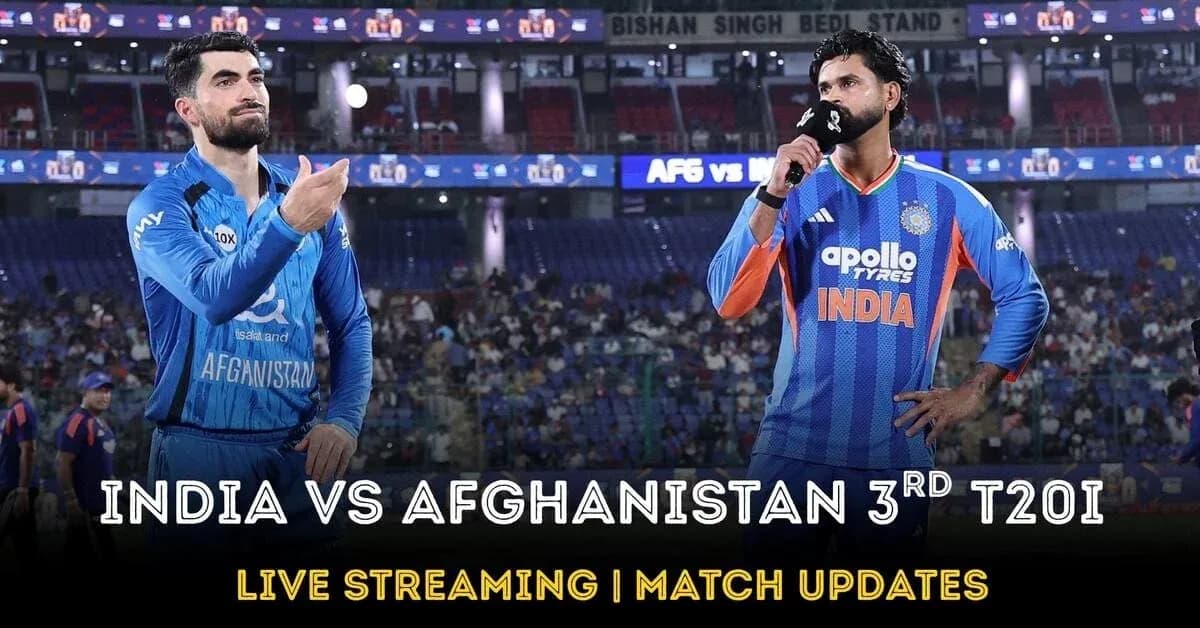
Afghanistan captain Ibrahim Zadran had won the toss, pointed India into bat and talked about early help for his bowlers. Within half an hour, that plan lay in ruins. Abhishek blasted a century from just 30 balls — the fastest T20I hundred by a batter from a Full Member nation — and turned a routine dead rubber into a landmark night.
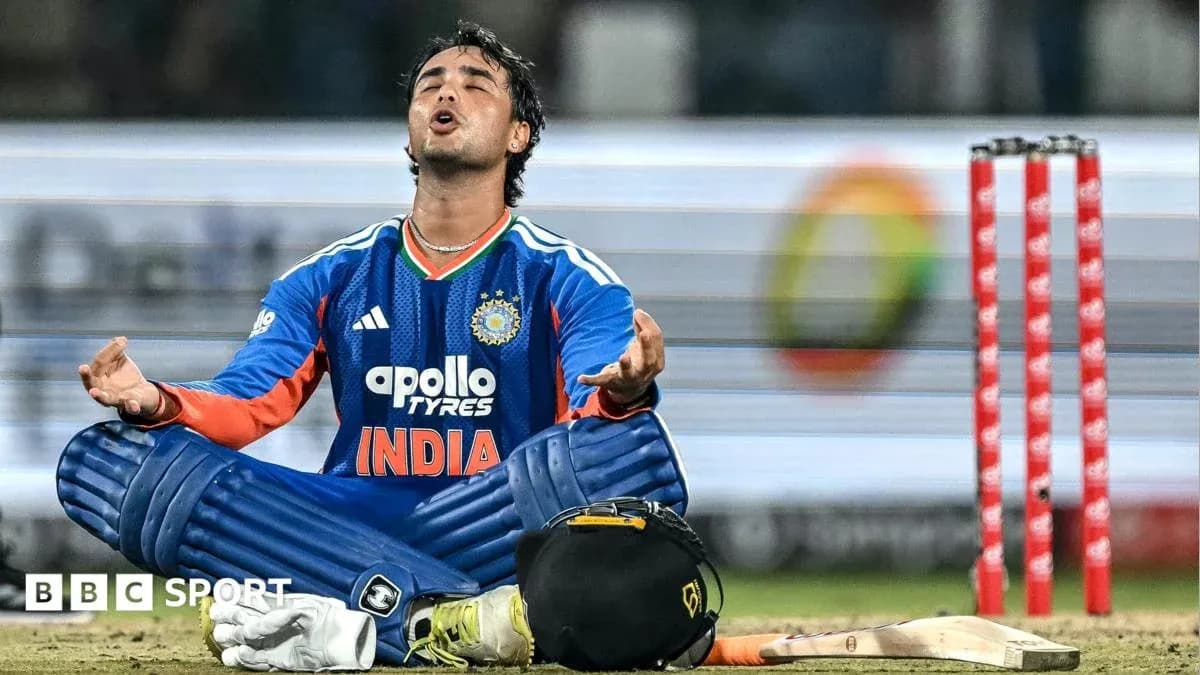
By the time Rashid Khan finally dragged him back, caught behind for a staggering 108 off 34, India were 142 for 1 in the 10th over and Delhi had witnessed something bordering on the absurd: nine fours, 11 sixes and a celebration that ended in a calm meditation pose in the middle of the storm.
Afghanistan choose to chase – and get chased
Zadran’s decision at the toss felt logical. Humid evening, a hint of movement, the psychological comfort of knowing the target after two failed attempts at setting one. He spoke about “support for the bowlers at the start” and a desire to “keep things easier” against “one of the best teams”.
India, though, wanted exactly this. Shreyas Iyer admitted batting first suited their plans, a chance to test the same top order that had cruised through two chases. One change only: Yash Thakur for Arshdeep Singh. The rest of the batting stayed intact. Vaibhav Sooryavanshi waited again.
Afghanistan responded with two tweaks of their own. Noor Rahman and Abdullah Ahmadzai came in, Gulbadin Naib and Noor Ahmad dropped out. Rashid Khan and Mujeeb ur Rahman remained the twin spin threats, backed by Fazalhaq Farooqi’s left-arm swing and Azmatullah Omarzai’s heavy seam.
The platform looked set for a probing powerplay. Instead, it became a demolition.
Powerplay carnage
Farooqi began well enough. Just five runs off the first over, Sanju Samson feeling for his timing, Abhishek respectful, one clean loft over extra cover the only early warning.
Then the dam burst.
Azmatullah Omarzai’s first over disappeared for 17 of Abhishek’s 20 runs. A swivel over deep square leg for six. A sliced four down the ground. Another six over deep extra cover. By the end of the second over, India were 22 without loss and Abhishek had moved from a watchful 4 to a menacing 20 in the space of five balls.
Farooqi returned and copped even worse. Abhishek launched him straight for six, then rode the short ball over fine leg, then dragged a slower bouncer past deep square. A top-edged hook sailed over short fine. Twenty-three runs came off the over. India 45 for 0 after three. The tone set, the contest tilting.
Samson joined in just enough to keep Afghanistan guessing. A straight six off Mujeeb in the fourth, then the baton handed back. Mohammad Nabi’s introduction in the fifth over turned into a personal nightmare: Samson hammered him for back-to-back sixes, was dropped by Zadran at mid-off, then watched Abhishek raise a 19-ball fifty with a blow over long-on and follow it with four and six more. Twenty-nine off the over. India 85 without loss.
Rashid Khan, the man teams turn to when chaos needs calming, arrived in the sixth. Even he couldn’t stem it. Abhishek, now in full command, lashed him for two fours and a six through and over the covers. India brought up 100 in the powerplay, Abhishek on 76 off 22, Samson a steady 24 off 14. The numbers looked like a video game.
A record, then a roar
Abdullah Ahmadzai briefly slowed the charge, nine from the seventh. Mujeeb’s second over went for 15, Abhishek twice launching him over long-on and straight down the ground to move into the 90s. Afghanistan’s fielders chased leather; the bowlers chased ideas.
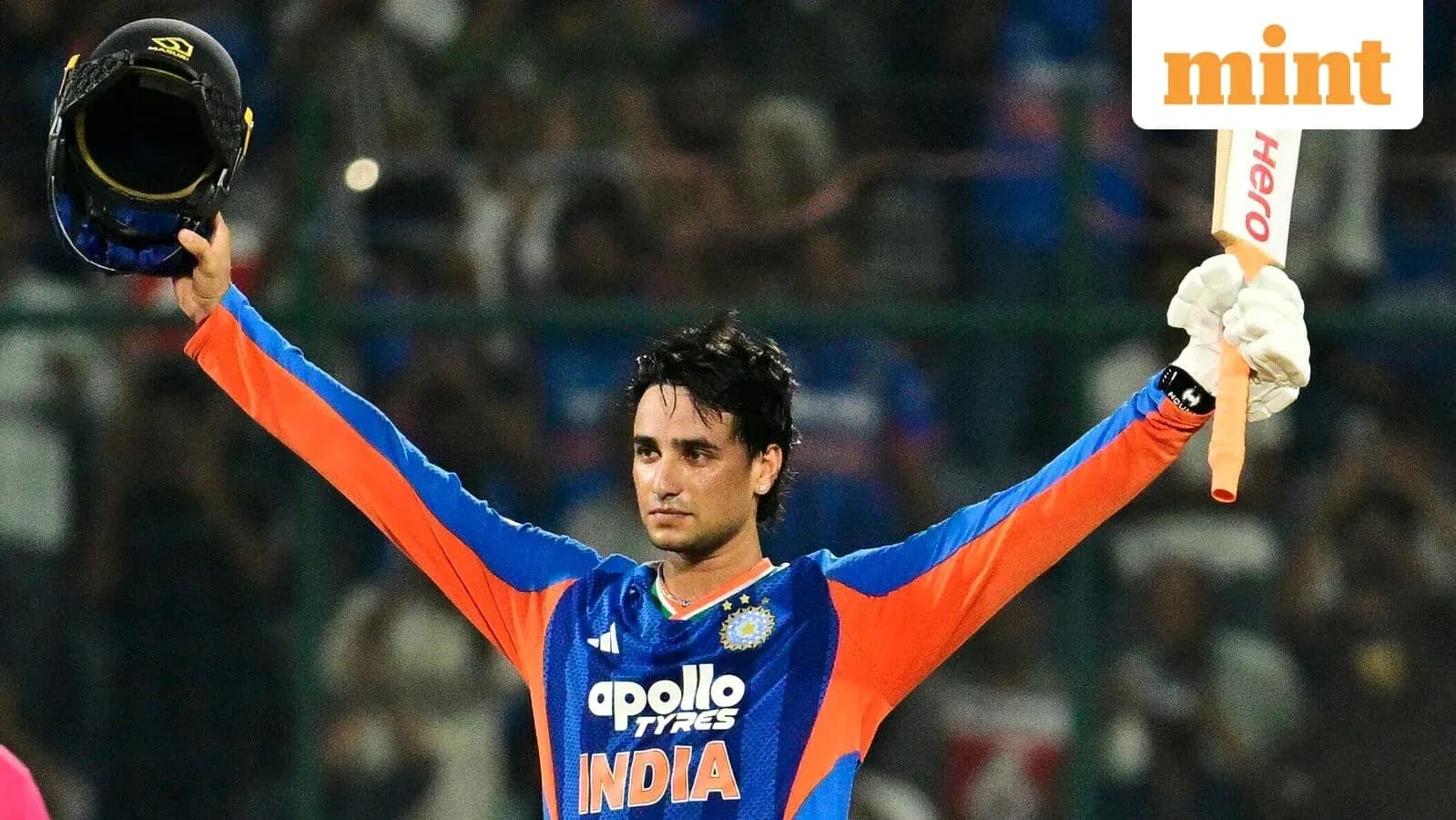
The milestone came in Ahmadzai’s next over. Samson took a single, Abhishek stepped down and launched another six to move to 99, then pushed calmly down the ground to reach his hundred off 30 balls. Third T20I century, fastest by any batter from a Full Member nation. Helmet off, eyes closed, a moment of stillness in a stadium buzzing.
He didn’t stop there. Rashid’s 10th over began with Abhishek thumping him over long-on again. A single to deep mid-wicket followed. Samson nudged one. Then, finally, the mistake. Abhishek chased a wide googly, aiming to clear extra cover, only for the thick outside edge to carry to Rahmanullah Gurbaz. He reviewed, perhaps on instinct, but the spike on UltraEdge was clear.
He walked off to a standing ovation: 108 off 34, nine fours, 11 sixes. India 142 for 1, still one ball short of the halfway mark.
Samson steadies, Rashid rallies
With the carnage at one end, Samson’s innings had been almost understated. He flicked into gear again after Abhishek’s exit. Mujeeb’s third over went for 10, Samson stepping away to launch him over long-off, then milking singles while Tilak Varma settled.
Rashid, though, refused to let the innings drift. His third over, the 12th of the innings, brought Afghanistan a much-needed break. Tilak hesitated on a push back down the ground, Rashid swooped, turned and hit the non-striker’s stumps directly. Run-out for 2 off 5. A captain’s delight from his premier bowler.
Shreyas Iyer arrived and scratched around early, just a single from his first two balls. Samson, still the anchor, worked Rashid for a couple of singles, but the over cost only three. India, suddenly, had to think again at 155 for 2.
Mujeeb’s final over brought Samson his second consecutive T20I fifty. A straight drive beating long-on, a flick to deep mid-wicket, then a calm push to long-on to reach 50 off 34. Iyer nurdled a couple more to deep backward square. Nine from the over, India 164 for 2 after 13, the early storm giving way to a more measured middle.
Stakes beyond the scoreboard
Behind the fireworks, this game still carries weight. India already hold an unassailable 2-0 lead, their top order powering two comfortable chases. Now, with runs banked in Delhi, they’re testing themselves in the other direction — setting a total, managing tempo, giving their bowlers a different kind of cushion ahead of the Asian Games.
The XI reflects that balance. Yash Thakur’s inclusion alongside Jasprit Bumrah adds a fresh seam option. Ravi Bishnoi keeps his spot, Nitish Kumar Reddy offers overs and depth, and Shivam Dube remains a middle-order enforcer. No fresh injury concerns, no last-minute shuffles. Just a group being hardened for bigger stages.
For Afghanistan, the questions are sharper. Their top order has wobbled all series. They slipped to 43 for 5 in the opener before Omarzai’s 64 offered respectability. In the second match, Zadran’s 37 and late blows from Nabi and Rashid carried them to 159 — competitive, not enough.
Now they must chase under lights on a pitch already proven full of runs, against an attack led by Bumrah, who has Rahmanullah Gurbaz’s number in this format. The wicketkeeper-batter arrives here on the back of two ducks in the series and a strike rate of 37.50 against Bumrah in T20s. That duel could shape the chase before it even settles.
Rashid’s battle with India’s middle order will matter too. He has dismissed Abhishek twice in six T20 innings, even as the left-hander has scored at a staggering 237.77 strike rate against him. Iyer, by contrast, has looked far less assured, falling to Rashid three times and scoring at just 120. Those patterns will sit in both camps’ minds the moment Afghanistan pick up the ball again.
The Delhi air is thick, the pitch flat, and India already have runs that feel like a statement. Afghanistan wanted the clarity of a chase. What they have instead is a mountain, and a series slipping away. Can this batting unit finally find the powerplay they’ve been searching for, or will Abhishek’s whirlwind knock be the moment that defines not just the night, but the gap between these two sides heading into a crucial season?