.svg&w=384&q=75 "logo")
Wimbledon Bans Influencers After U.S. Open Chaos
The All England Club has drawn a firm line in the grass.
Influencers hoping to turn Wimbledon into their next content playground will have to do it from the outside looking in, after the tournament confirmed it will not grant media credentials to social media creators.
The move lands as a direct response to the scenes at this year’s U.S. Open, where an influx of digital creators helped turn parts of Flushing Meadows into something closer to a live studio than a Grand Slam.
Ring lights, noise and a “zoo” atmosphere
Wimbledon has long traded on decorum, order and a kind of curated calm. What unfolded in New York was the opposite.
Around 100 content creators were accredited at the U.S. Open alongside traditional journalists and broadcasters. The result: a more frantic, less controlled environment in the stands and around the courts, where filming, posing and chasing viral moments sometimes clashed with the rhythm of elite tennis.
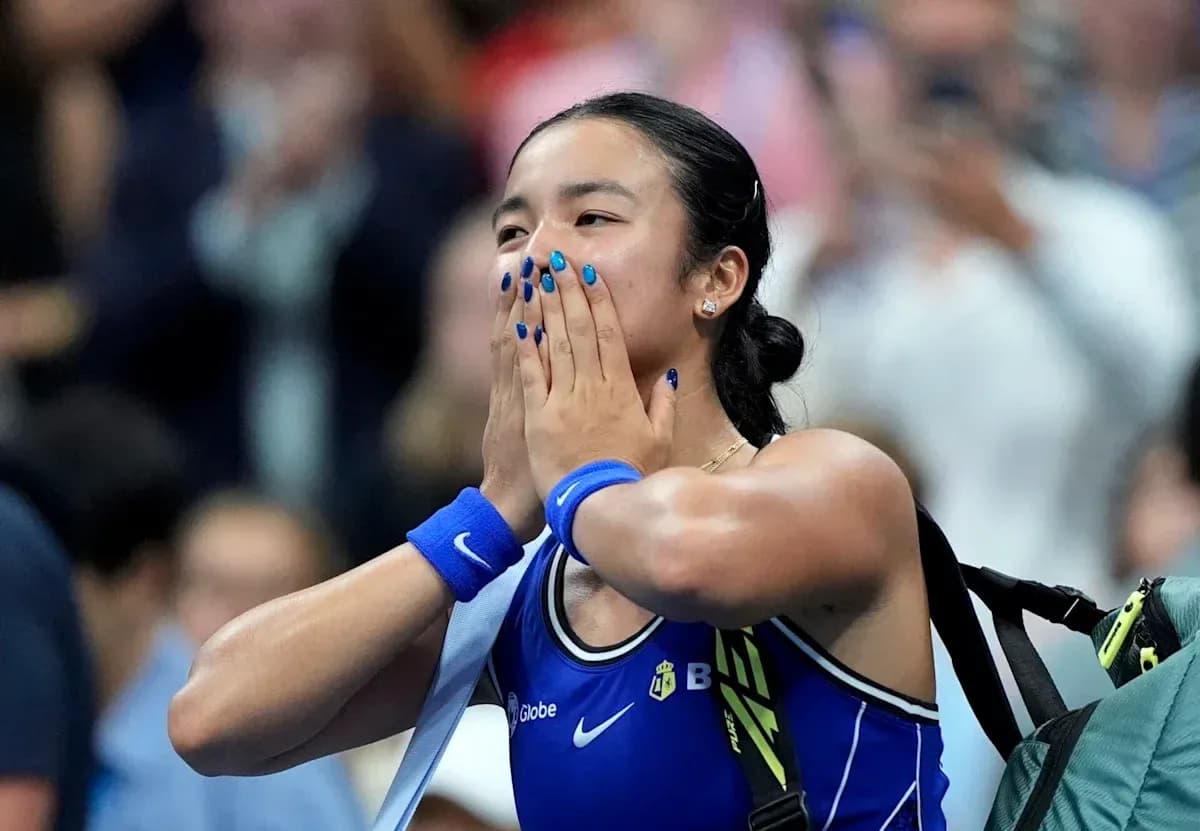
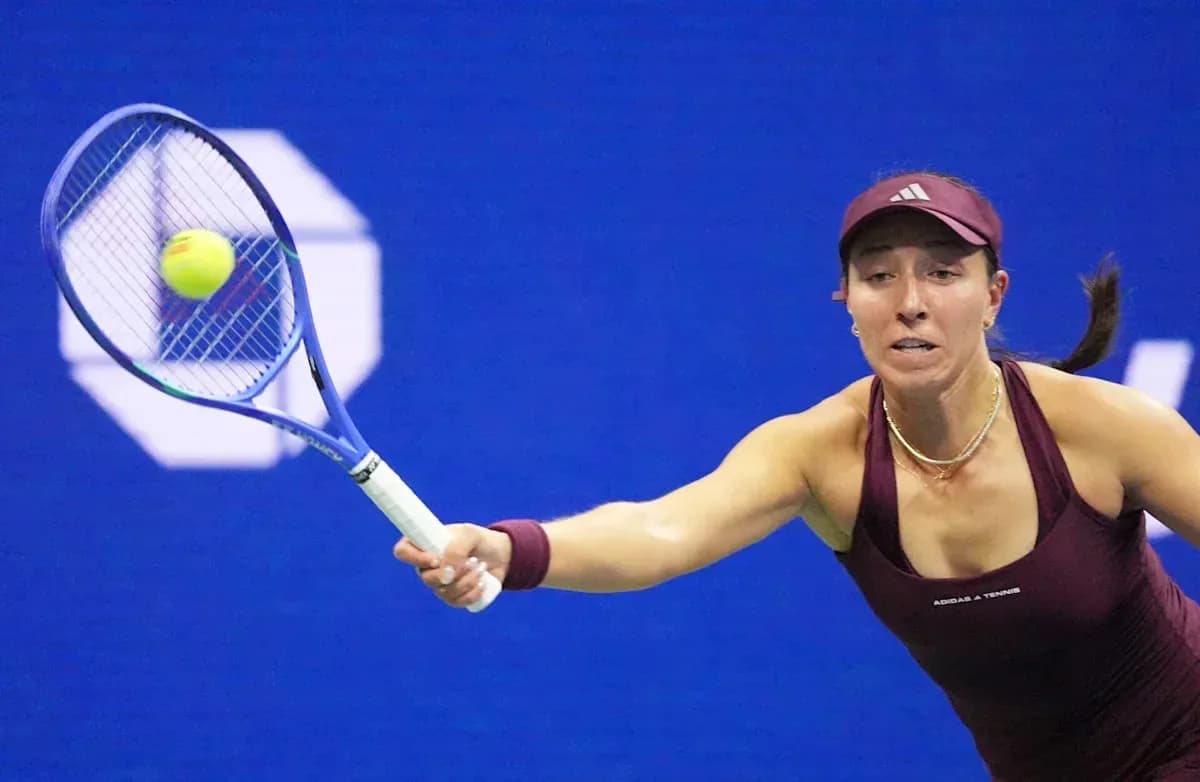
Players complained about fans repeatedly interrupting matches with bright camera flashes and noisy attempts to capture the perfect clip. Coco Gauff and Naomi Osaka both spoke publicly about the need for better fan behavior, clearly irritated by the distractions as they tried to compete at the highest level.
Tournament officials in New York responded by pushing reminders about proper conduct on giant screens and, in a rare step, revoking credentials from two content creators. Even that wasn’t enough to fully steady the atmosphere.
The issues went beyond light and noise. The persistent smell of marijuana drifted through some courts, adding to a sense that the event was slipping away from its traditional boundaries.
World No. 1 Aryna Sabalenka had to pause her third-round match because of what she described as a “very strong smell” of marijuana, voicing her frustration afterward. Adrian Mannarino went further, likening the Grand Slam crowd to “a bit of a zoo.”
Those comments did not go unnoticed in London.
Wimbledon doubles down on tradition
At Wimbledon, the response has been decisive rather than reactive.
The All England Club has introduced new measures aimed at protecting what it sees as the core of the Championships: the players’ ability to perform without distraction, and the tournament’s long-standing etiquette.
Security staff will now confiscate items such as ring lights at the gates, cutting off one of the main tools of on-the-go content creation. That single detail says plenty. Wimbledon is not interested in Centre Court becoming a backdrop for TikTok, or Court 18 turning into a walk-and-talk set.
The message is clear: this is a tennis tournament first, not a content festival.
By shutting the door on influencer accreditation altogether, Wimbledon is betting that its prestige and identity matter more than chasing digital reach through armies of creators. The club is choosing the quiet hum of a focused crowd over the constant buzz of phones and ring-lit selfies.
In an era where every major sporting event is under pressure to feel more “shareable,” Wimbledon has chosen a different path. The players asked for order. The All England Club has answered.